By Laura Buntrock, DNR Urban Forestry Partnership & Policy Specialist, Laura.Buntrock@wisconsin.gov or 608-294-0253
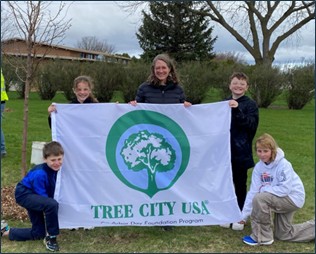 The online portal for Tree City USA (TCUSA) is now open, with applications due Dec. 31. If you’re new to TCUSA, you can learn more about the program on the Arbor Day Foundation’s (ADF) website or from your DNR Urban Forestry Coordinator. Please note that beginning this year, Arbor ADF is no longer accepting paper applications. You can create an account by clicking “sign up now” on the application portal login page. Within the online portal, you will have access to your historical data. More information is available on ADF’s FAQ page. Continue reading “Tree City USA – Online Portal Open, No More Paper Applications!”
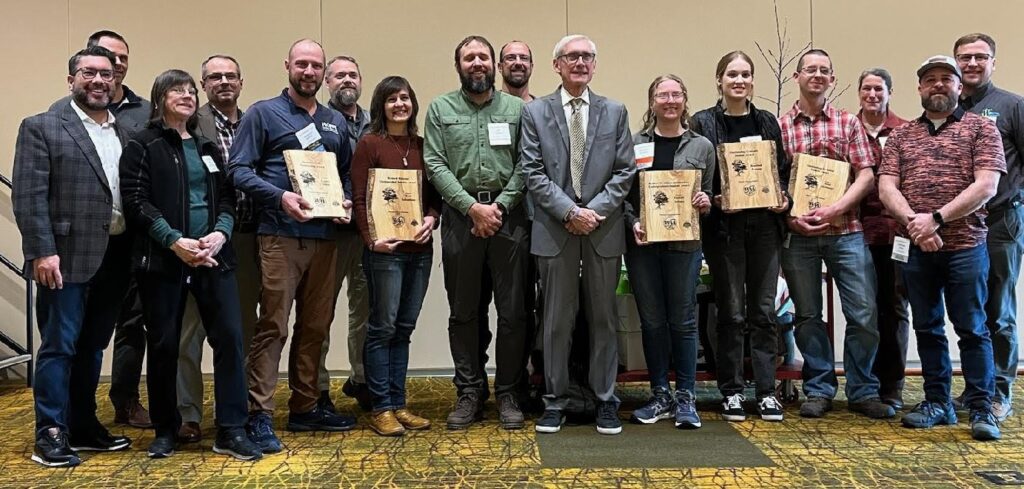 Do you know of a person or organization that is making a difference in community forestry? Maybe it is a volunteer who spends their free time planting trees in the community or an organization that is committed to increasing tree diversity or a municipal employee who has dedicated their career to transforming a city’s urban forestry program. If so, please complete this short
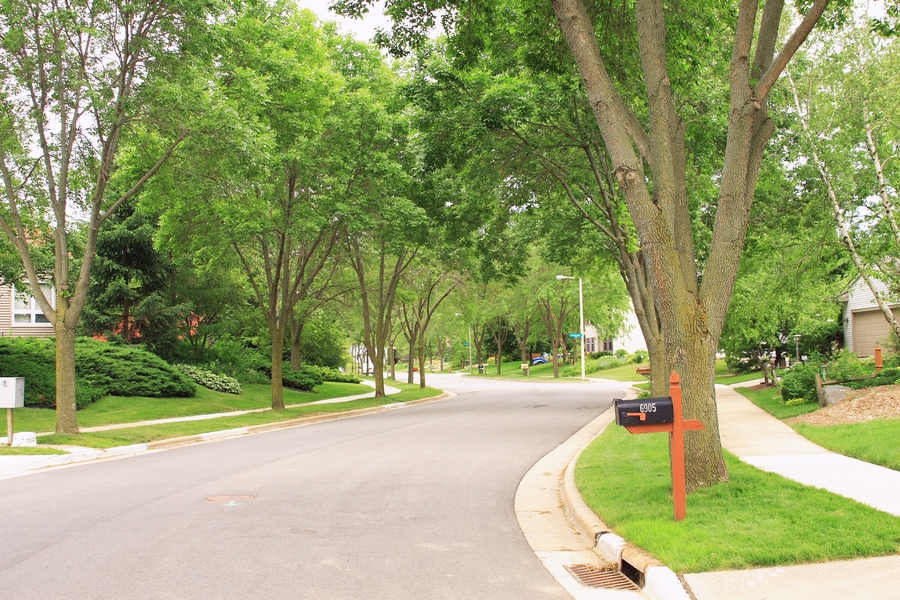 Are you responsible for tree care in your community? If so, please complete this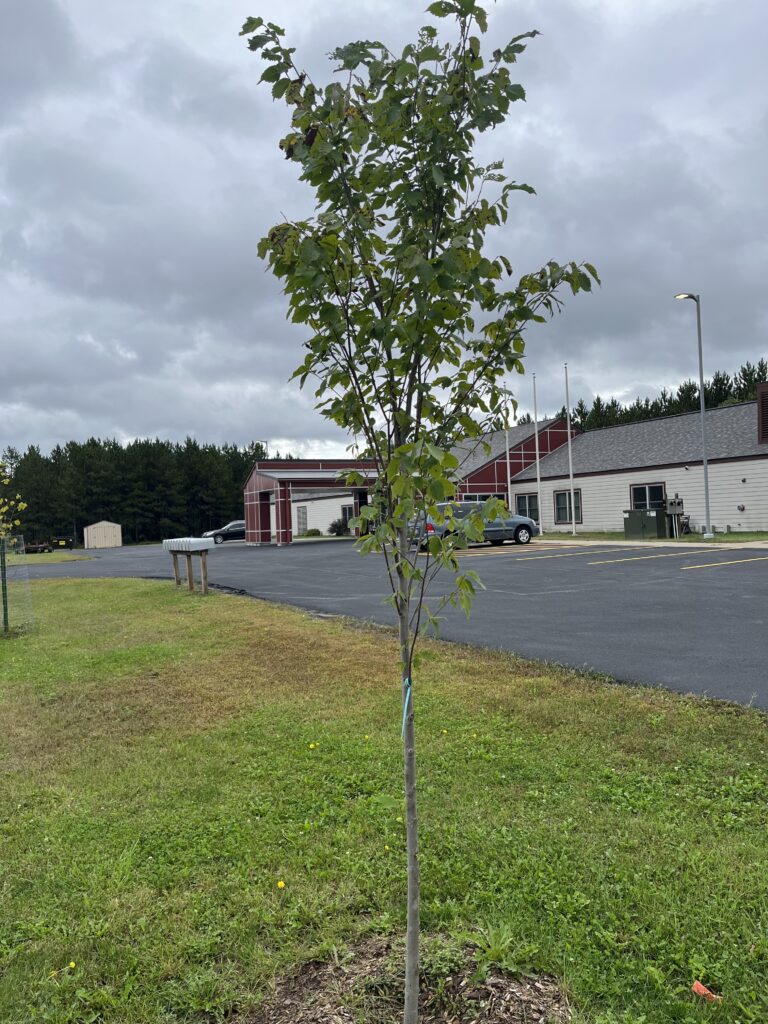
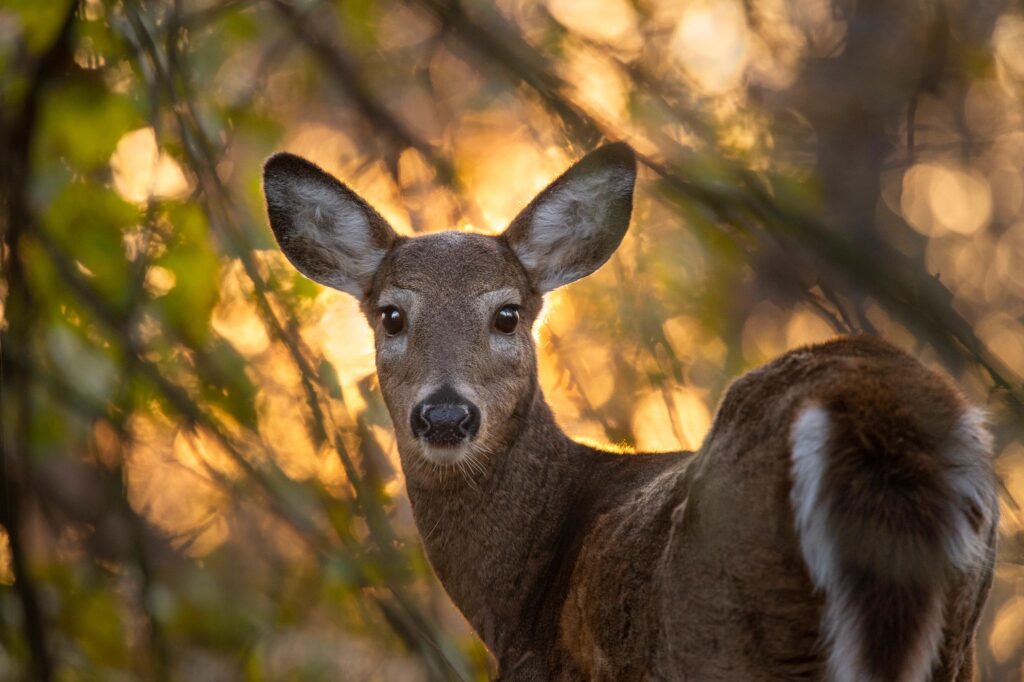 Urban Wildlife Damage Abatement and Control grants help urban areas develop wildlife plans, implement specific damage abatement and/or control measures for white-tailed deer and/or Canada geese. They are available to any town, city, village, county or tribal government with a population density of not less than 125 persons per square mile. This grant provides a 50% cost share up to $5,000 for eligible costs. The application deadline is Dec. 1.
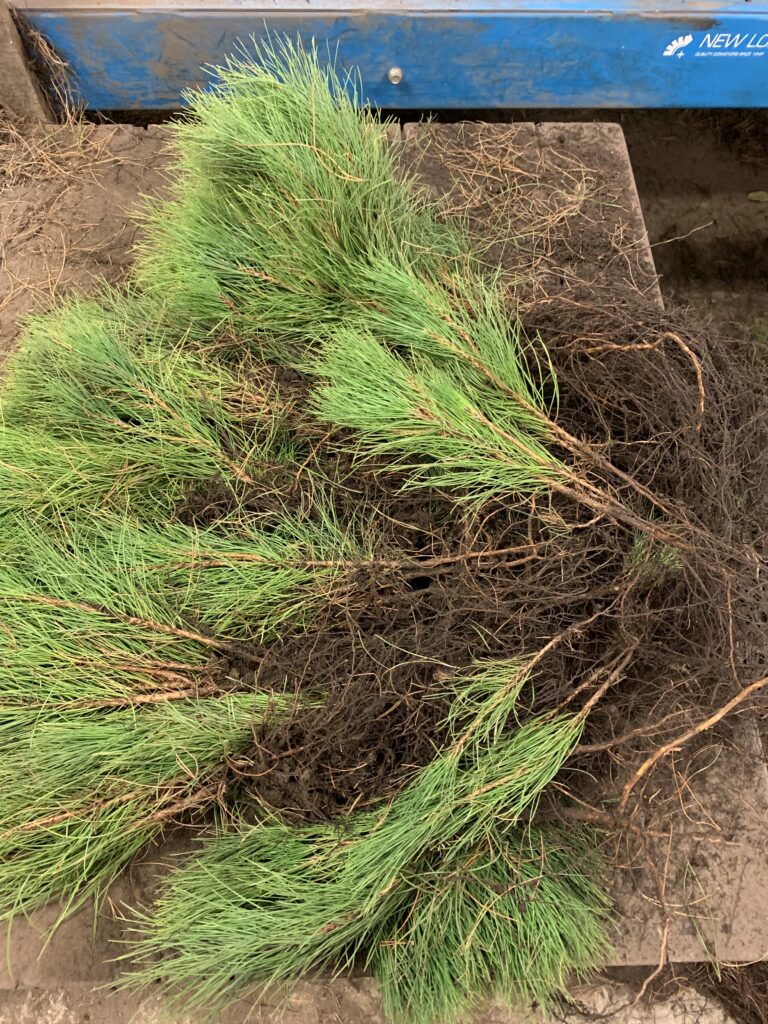 The Wisconsin Department of Natural Resources (DNR) is accepting seedling orders from Wisconsin landowners for trees and shrubs to be planted in spring 2026, starting Oct. 6, 2025.
 *These training opportunities are provided as an information service only and do not constitute an endorsement from the Wisconsin Department of Natural Resources (DNR).
 The grants range from $1,000 to $25,000, and grant recipients must match each grant dollar for dollar. A startup grant of up to $5,000 is available for communities that want to start or restart a community forestry program. Grants are awarded to projects that align with state and national goals for increasing the urban forest canopy and the benefits it provides. These grants do not subsidize routine forestry activities. In total, $559,680 is currently available in regular and startup grant funding for 2026.