By Nicolle Spafford, DNR Urban Forestry Grant Manager
Nicolle.Spafford@wisconsin.gov or 715-896-7099
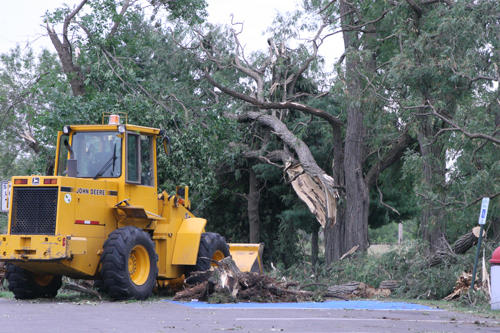
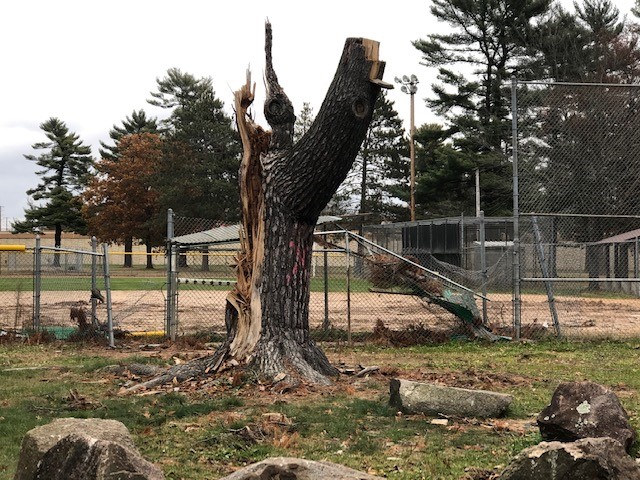 The Wisconsin Department of Natural Resources (DNR) has announced the recipients of the Urban Forestry Catastrophic Storm Grants to assist with damage sustained during severe storms that took place Aug. 9, 2025. Catastrophic storm grants range from $4,000 to $50,000 and do not require a dollar-for-dollar match. Grant funding was distributed among the following three communities: Continue reading “DNR Announces Catastrophic Storm Grant Recipients”
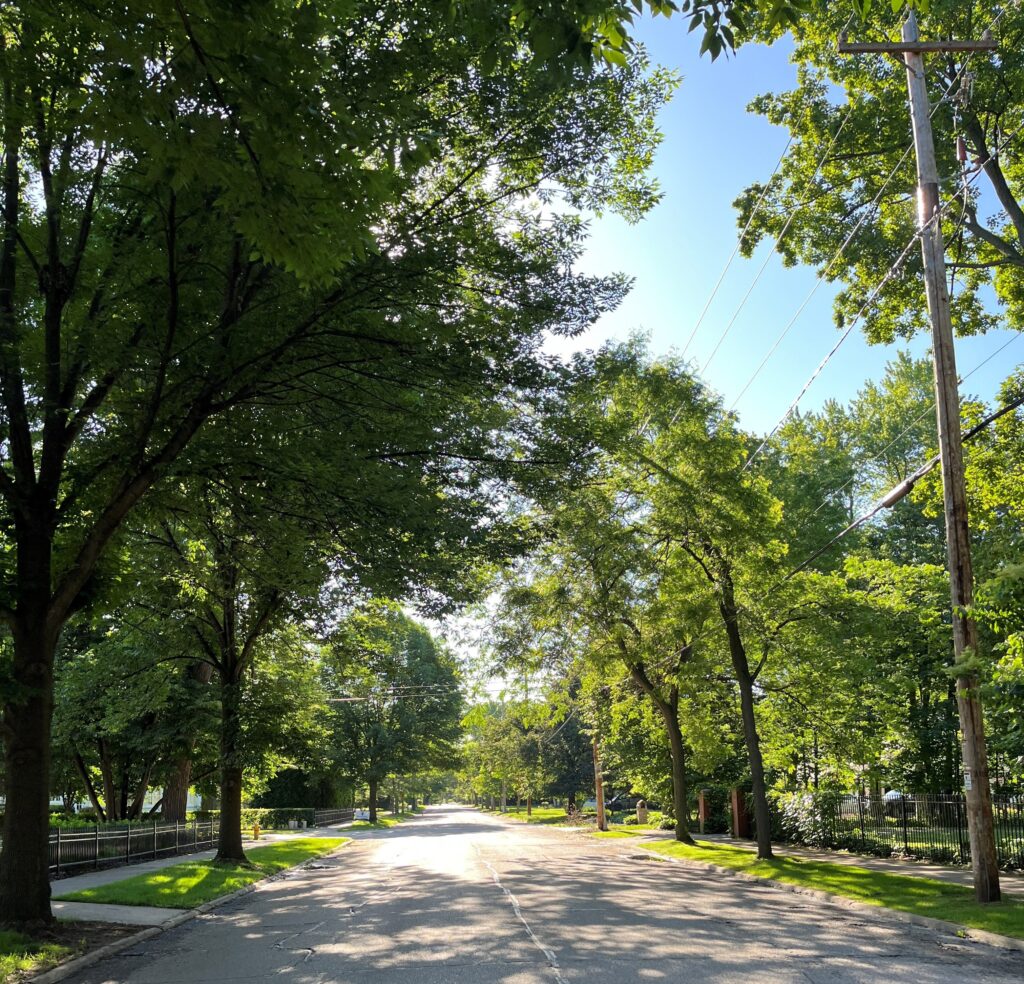 The 2026 Urban Forestry Grant application deadline was Oct. 1, 2025, and the Wisconsin Department of Natural Resources (DNR) received 71 applications, equaling over $1.1 million in funding requests. A total of $559,680 is available in grant funding for 2026.
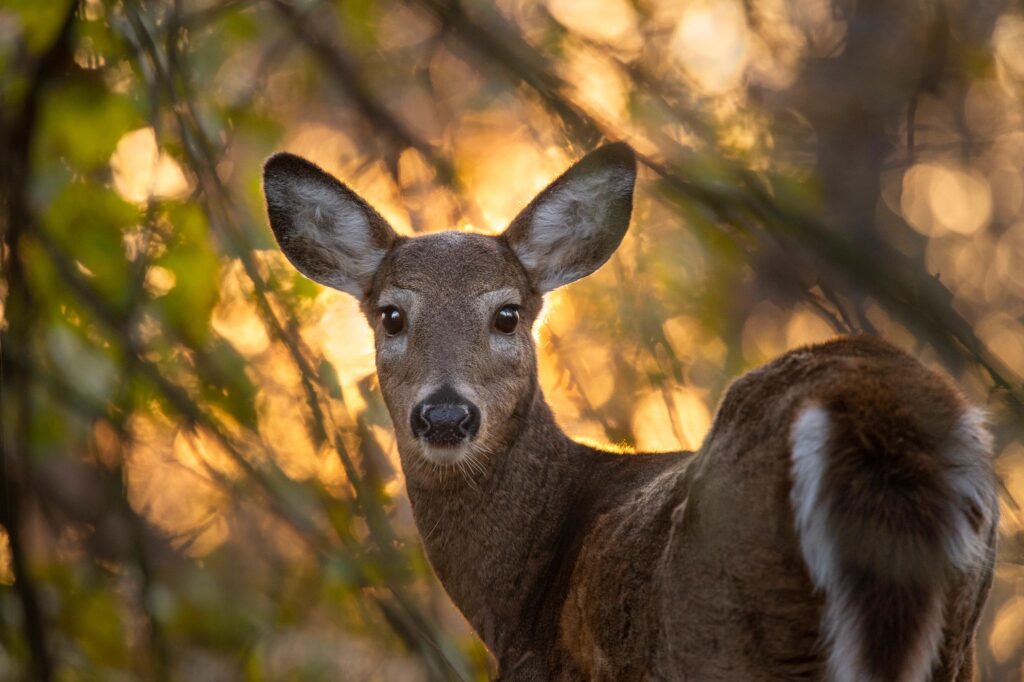 Urban Wildlife Damage Abatement and Control grants help urban areas develop wildlife plans, implement specific damage abatement and/or control measures for white-tailed deer and/or Canada geese. They are available to any town, city, village, county or tribal government with a population density of not less than 125 persons per square mile. This grant provides a 50% cost share up to $5,000 for eligible costs. The application deadline is Dec. 1.
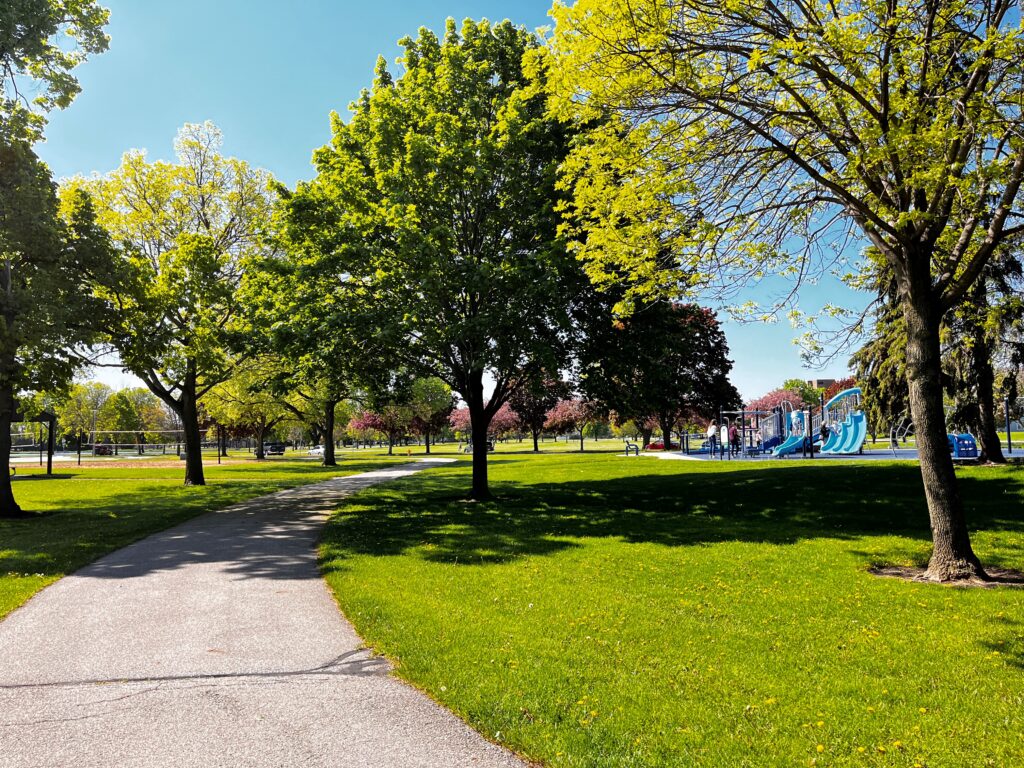 The grants range from $1,000 to $25,000, and grant recipients must match each grant dollar for dollar. A startup grant of up to $5,000 is available for communities that want to start or restart a community forestry program. Grants are awarded to projects that align with state and national goals for increasing the urban forest canopy and the benefits it provides. These grants do not subsidize routine forestry activities. In total, $559,680 is currently available in regular and startup grant funding for 2026.
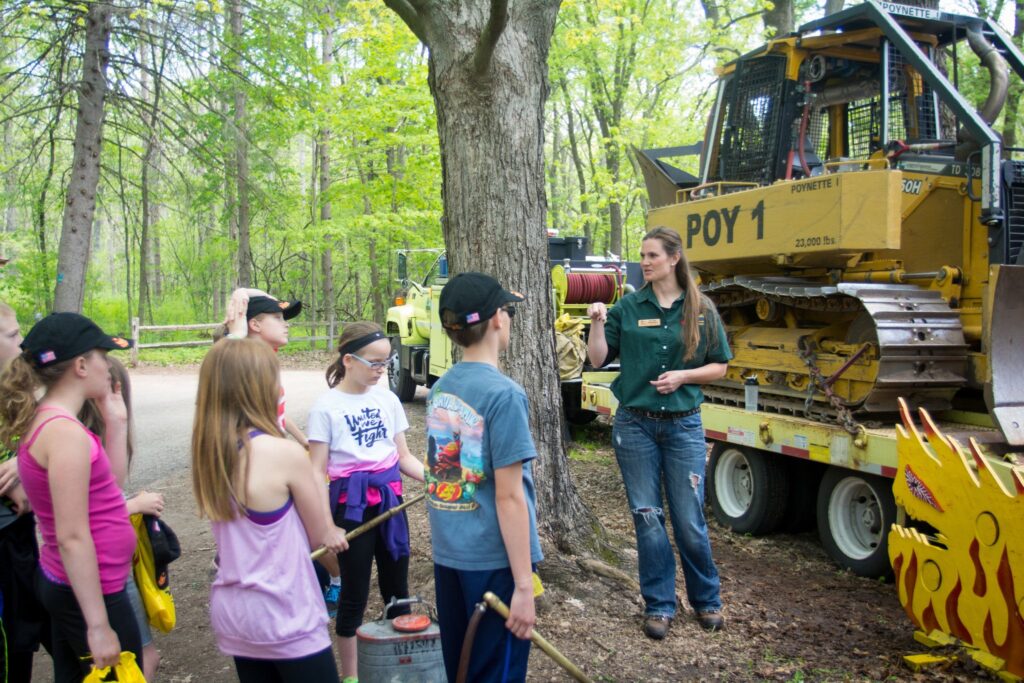 Wheels to Woods is a school to forest or forestry-related field trip transportation grant program supported and administered by the WI Society of American Foresters DEI Committee.
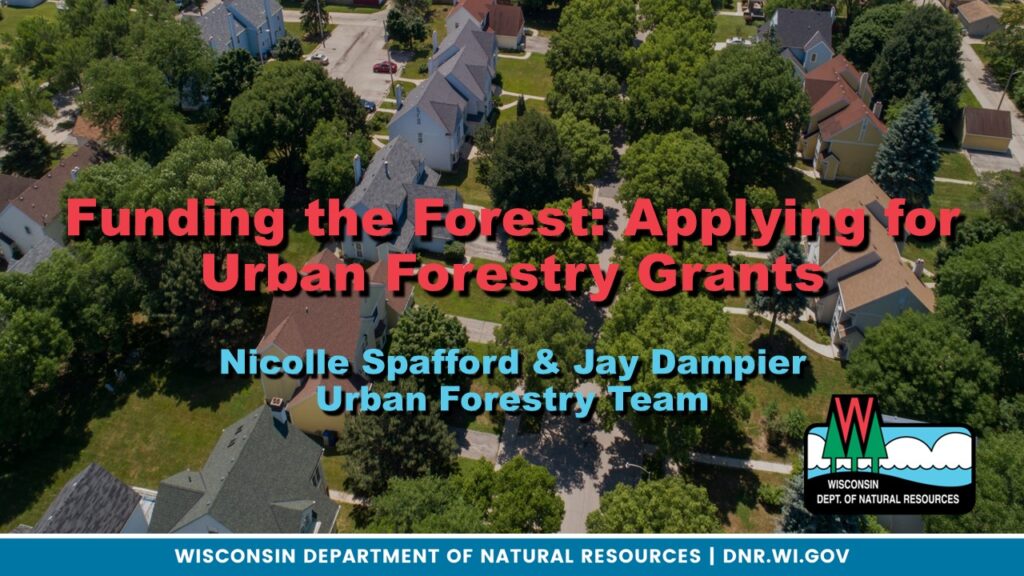 The Wisconsin Department of Natural Resources (DNR) is hosting a webinar to help you develop a competitive urban forestry grant application. This webinar will guide you through the application form so you can submit a strong application that aligns with the DNR’s Urban Forestry Program funding priorities.
 The Wisconsin Department of Natural Resources (DNR) today announced it is now accepting applications for
 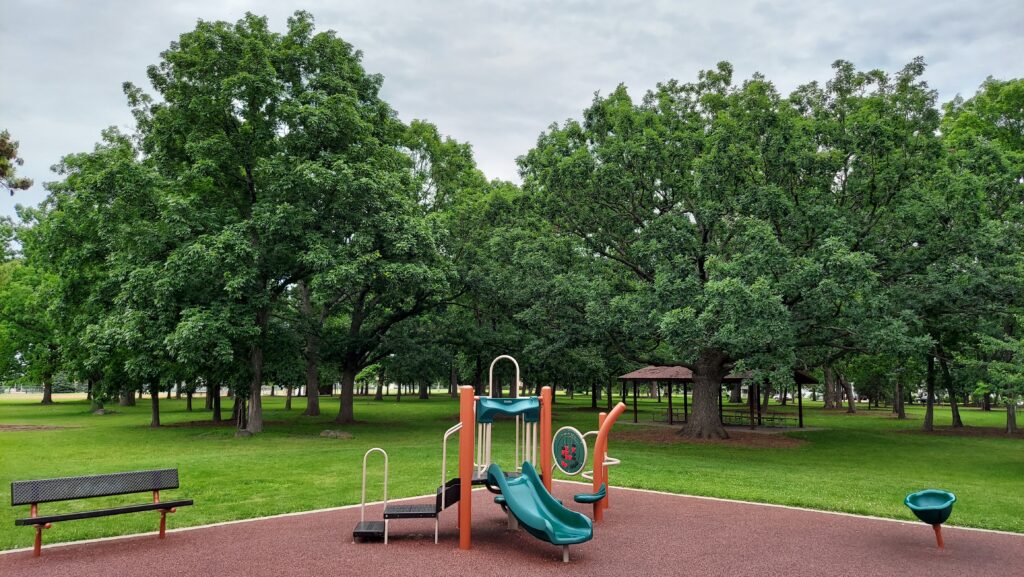 Cities, villages, towns, counties, tribes and 501(c)(3) nonprofit organizations in or conducting urban forestry projects in Wisconsin can now apply for a regular or startup 2026 Wisconsin Department of Natural Resources (DNR) Urban Forestry grant. The total 2026 available funding is $559,680, with a possible release of $139,920 of catastrophic storm reserve to fund a second round in March 2026.
 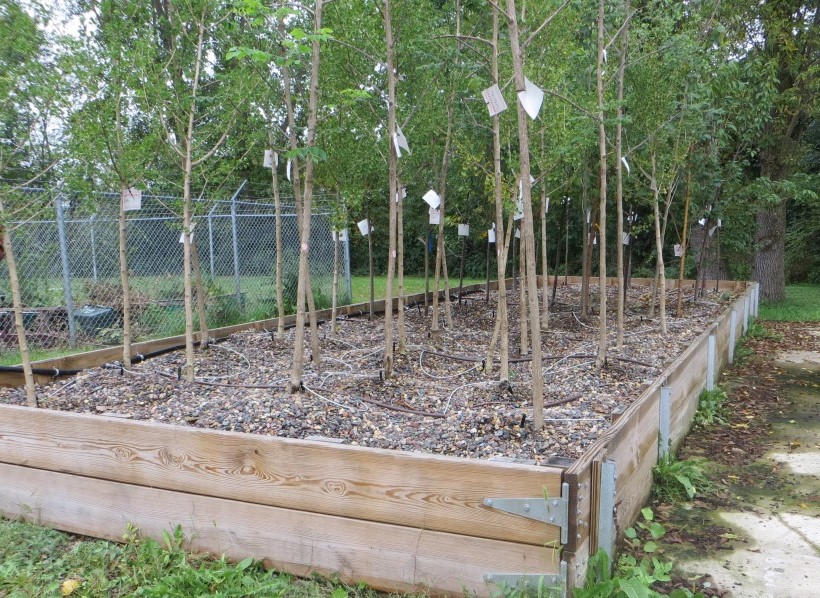 Beginning July 1, 2025, cities, villages, towns, counties, tribes and 501(c)(3) nonprofit organizations in –or conducting their projects in – Wisconsin can apply for a regular or startup 2026 Wisconsin Department of Natural Resources (DNR) Urban Forestry grant. The total 2026 available funding is $559,680, with a possible release of $139,920 of catastrophic storm reserve to fund a second round in March 2026.