By Patricia Lindquist, DNR Urban Forestry Coordinator
Patricia.Lindquist@wisconsin.gov or 715-574-1314
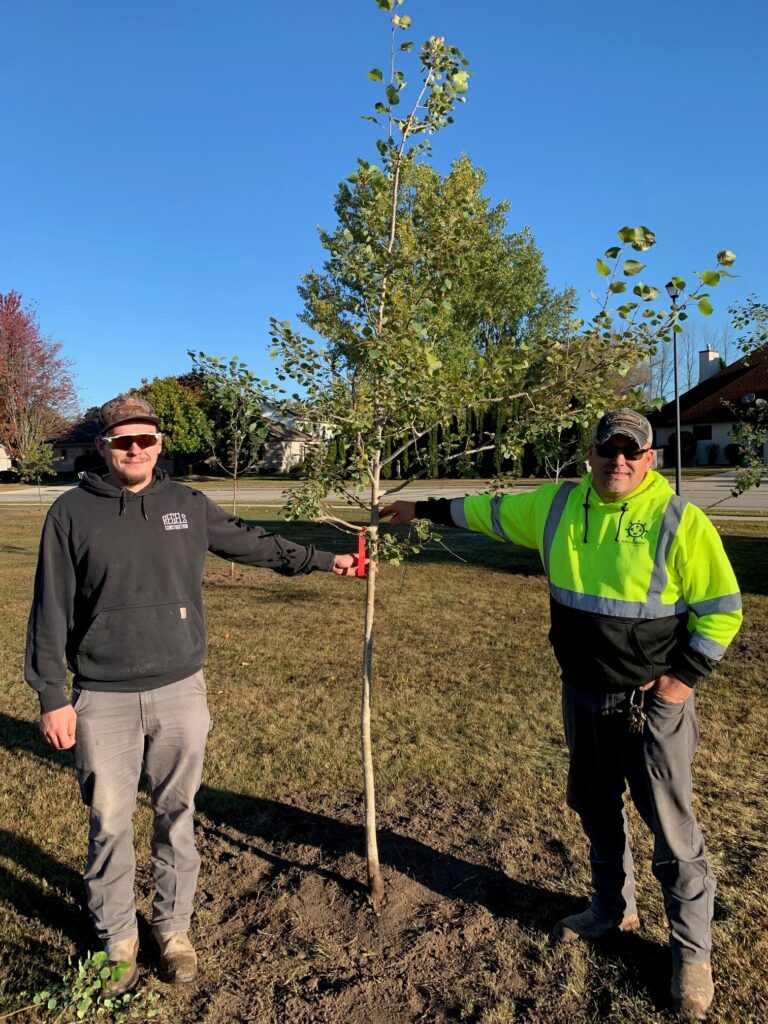
Parks staff Dave Blohowiak and Dawson Boettcher plant a quaking aspen at Fleetwood Park. / Photo Credit: Wisconsin DNR
As a long-time Tree City USA (43 years) and frequent Growth Award recipient (14 years in a row!), Manitowoc has a deep-rooted tradition of supporting urban forestry. After the emerald ash borer was detected in Manitowoc County in 2016, the city redoubled its efforts. Hundreds of dead and declining ash trees have been removed, and thousands of diverse, pest- and disease-resistant trees have been planted to replace the lost canopy.
Manitowoc utilizes a variety of programs, methods and funding sources to plant trees. Read on to learn more about their creative, multifaceted replanting strategy. Continue reading “Community Spotlight: Manitowoc’s Multifaceted Replanting Strategy”
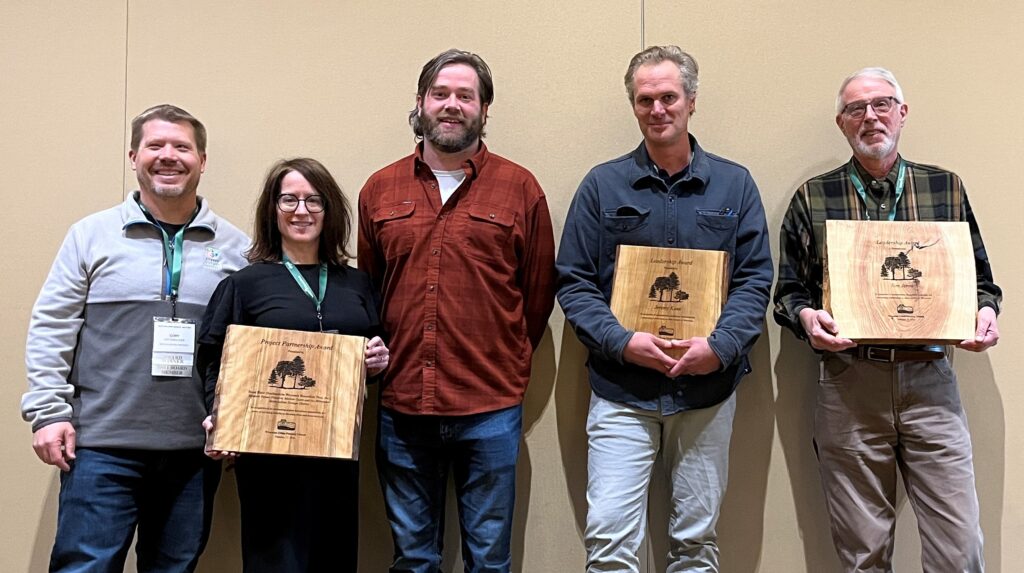
 Congratulations to the latest class of
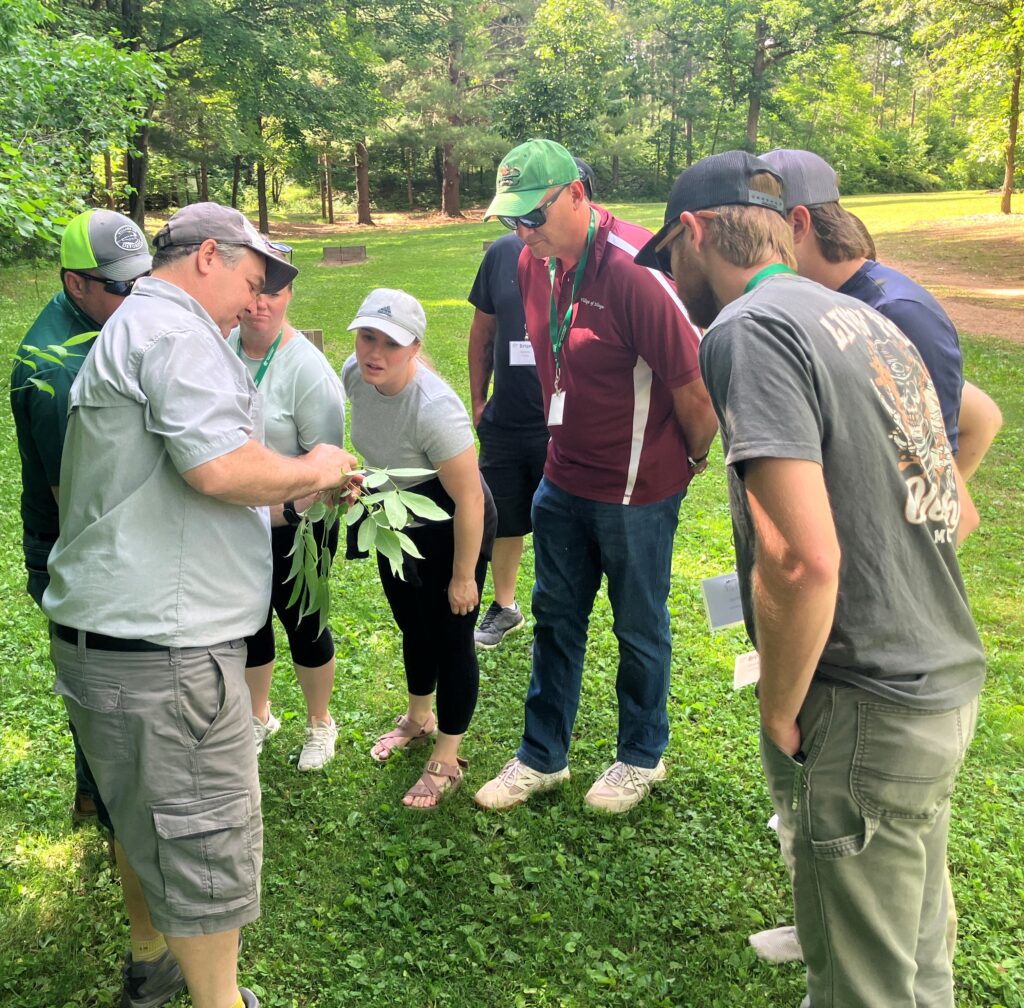
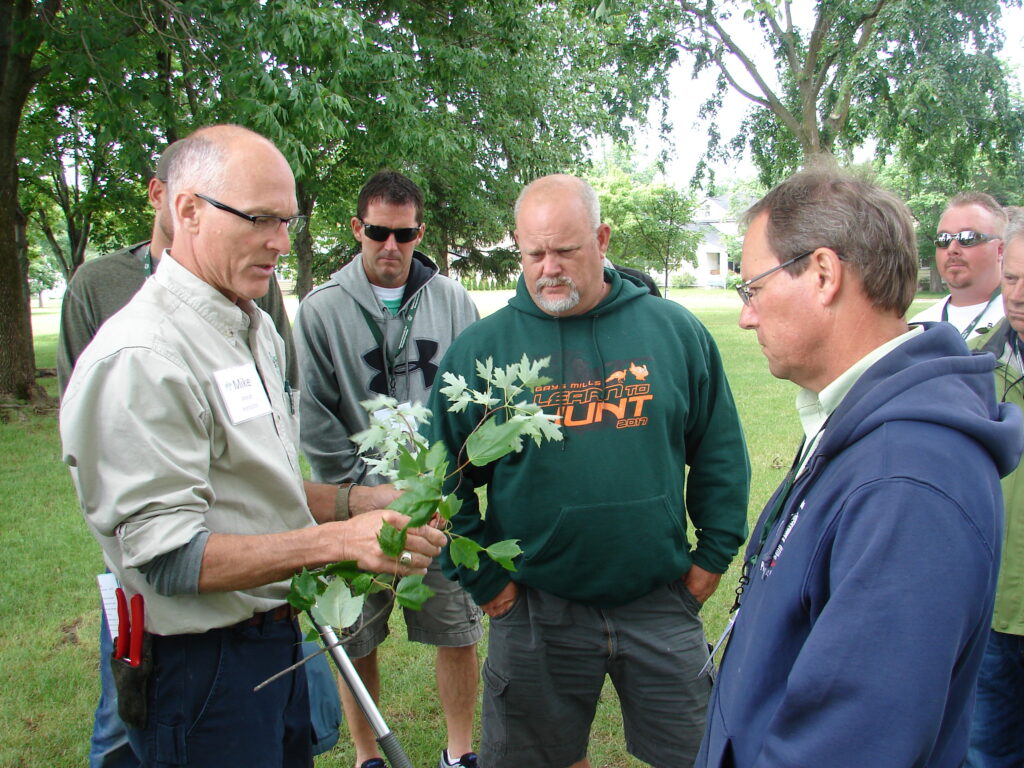 See below for information on training topics and events, including the WAA Summer Conference, leadership, pollinator habitats, safety, tree ID and the ISA Annual Conference.
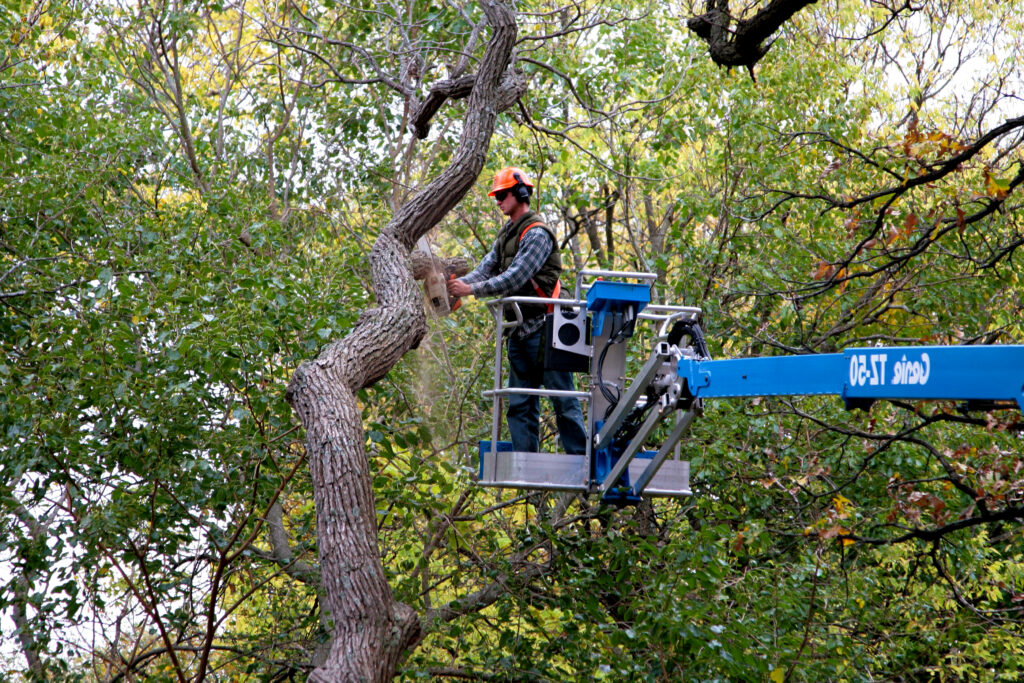 The American National Standards Institute (ANSI) Z133, more affectionately known at “The Z”, is the standard that contains arboriculture safety requirements for pruning, repairing, maintaining and removing trees, cutting brush and using equipment in such operations. If you’re reading this newsletter, you, your staff or your contactors likely participate in work that falls under the purview of this standard.
  The Wisconsin Arborist Association (WAA) is accepting
  The congressionally mandated National Urban and Community Forestry (NUCF) Ten Year Action Plan creates a guiding framework that optimizes innovations, resources and collaborations for the field of urban and community forestry. Input gathered through this voluntary form is part of the stakeholder engagement process and will help update the NUCF Ten Year Action Plan.