
 By Scott Lyon, DNR Forest Products Team Leader
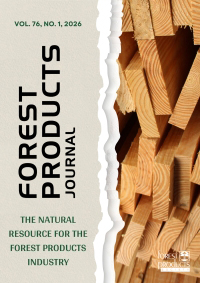
A new study published in the Forest Products Journal by the University of Wisconsin-Madison Extension, the United States Forest Service and the Wisconsin Department of Natural Resources examined dry kiln operations across the northeastern and north-central United States.
The research explored current technology use, production practices, and workforce training needs in the hardwood lumber drying industry, with the goal of helping training providers and industry leaders better tailor education and support to real-world operating conditions.
The survey found that most firms dry a wide range of hardwood species, reflecting the region’s diverse forest resources. Eastern white pine was the only softwood species dried by a majority of respondents. While species diversity was common across operations, the study revealed a clear divide between small and large kiln facilities in technology use, investment plans, and quality-control practices.
Smaller facilities—those producing 1,000 board feet or less—were much less likely to plan investments in new drying equipment over the next three years. Fewer than half reported modernization plans, and many were reluctant to adopt basic quality-control tools such as kiln samples and end coatings. As a result, these operations reported greater difficulty achieving uniform final moisture content and higher rates of warping.
Larger firms showed a stronger commitment to advanced quality control and process integration, often combining kiln drying with post-drying activities like sorting and grading. While these operations generally achieved more consistent results, they also reported challenges, particularly discoloration during drying.
Overall, the findings emphasize the need for scale-appropriate training and investment strategies. Smaller operations may benefit from targeted, cost-effective quality-control training, while larger firms may require advanced technical education to address more complex drying issues. Aligning training programs with operational scale can help improve product quality, boost efficiency, and support more sustainable hardwood production across the region.
Learn more about this study in the Forest Products Journal.