
 Looking for some hard numbers on how urban trees affect health conditions such as asthma, cardiovascular disease, obesity, and ADHD?
Click on the links below to read the original research studies:
• An increase of 888 street trees per square mile is associated with a 29% lower rate of childhood asthma. Children Living in Areas with More Street Trees Have Lower Prevalence of Asthma, 2008.
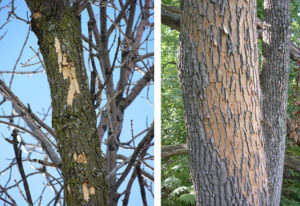
• Loss of trees to the emerald ash borer is associated with an additional 15,080 deaths from cardiovascular disease and 6113 deaths from lower respiratory disease during the study period (1990- 2007). The Relationship Between Trees and Human Health: Evidence from the Spread of the Emerald Ash Borer, 2013.
Continue reading “From asthma to ADHD: statistics on the health benefits of trees”
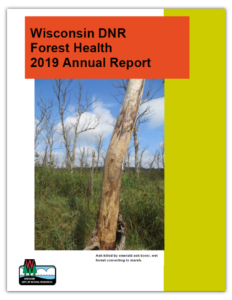 The DNR Forest Health team recently completed the
  Bird City Wisconsin announces a new small grants program available to current Bird City communities. Grants totaling $500 will be awarded in each of three categories: creating and protecting bird habitat, educating residents about interactions between birds and people, and protecting birds by reducing threats.
 Now more than ever, trees and forests are a vital component of healthy, livable, and sustainable communities, in the U.S. and around the globe. Along with its partners such as the Wisconsin DNR, the Arbor Day Foundation is seeking ways to link together those that plant and tend urban trees and forests for the benefit of humankind.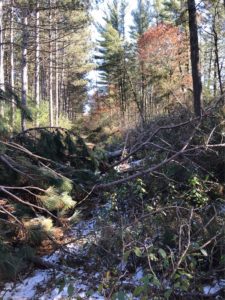
 Dealing with the loss of ash trees to the emerald ash borer (EAB) can be disheartening, and the idea of replanting can seem overwhelming. But Tom Zagar, Muskego City Forester, saw a chance to try something new.