By Erika Segerson-Mueller, DNR invasive plant program specialist, Oshkosh
Erika.SegersonMueller@wisconsin.gov or 715-492-0391

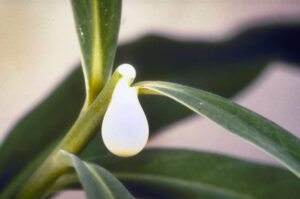
Invasive jumping worms have a light-colored clitellum, while most worm species have a raised, pink clitellum. / Photo Credit: Brad Herrick, UW-Madison Arboretum
To reiterate some advice you may have heard long ago from your parents: Don’t give rides to hitchhikers. They may have been thinking about people, but hitchhiking invasive plants, insects and pathogens are also worthy of concern.
As you dream of days spent at the cabin up north, planting your garden or wandering in the woods, here are a few reminders to help you avoid bringing hitchhiking invasives along as you enjoy your spring and summer activities. Continue reading “Avoid Hitchhikers This Summer”
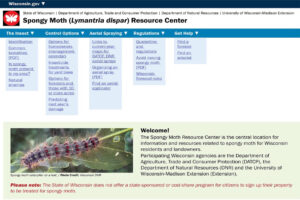 As Wisconsin braces for another potentially busy season of spongy moth caterpillars, three state agencies have teamed up to make it easier for tree owners and others to access the latest information and advice on the invasive, leaf-chomping pests.
 The boundaries of the Northeast, East Central and North Central DNR Urban Forestry regions will be altered at the end of April to balance workload across the regions better. The changes are:
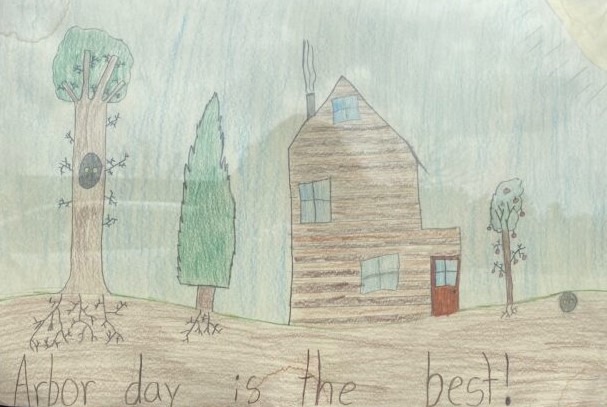 The first Arbor Day celebration was held in Nebraska in 1872. More than 150 years later, Arbor Day is celebrated in all 50 states and in many countries around the world. This year, Arbor Day will be observed in Wisconsin on Friday, April 26. Below are ways you can celebrate, educate and care for trees in your community.
 For the last few years, our urban forestry team has been writing social media posts for Wisconsin communities to post during Arbor Week. We encourage you to use social media to celebrate the many benefits of trees and inform the public about the importance of tree care.