 A new U.S. Forest Service publication, Urban Residential Landowner Interest in Emerging Urban Wood Product Markets: Results from a Multi-City Survey, provides new insight into how homeowners across the United States engage with and perceive urban wood products and markets. The study highlights both the scale of urban wood resources and the opportunities to better utilize material that is often discarded as waste.
The research examined responses from residential landowners in six U.S. cities to better understand participation in urban wood systems and interest in urban wood products. Findings showed that approximately 15% of respondents had previously purchased or acquired urban wood products, demonstrating that a meaningful segment of urban residents is already participating in these emerging markets.
Interest was strongest for lower-value products such as mulch, wood chips, and compost, while products such as lumber and furniture generated lower—but still notable—levels of interest. The study also found that homeowners rely heavily on private-sector professionals, including landscaping and tree care companies, as well as friends and family, for trusted information related to tree care and wood utilization. Government agencies and nonprofit organizations were viewed as less influential information sources.
The publication underscores the significant opportunity to expand urban wood utilization efforts nationwide. Over the past two decades, urban tree removals have generated volumes of wood that exceed annual harvests from the U.S. National Forest System, yet much of this material continues to enter the waste stream. Strengthening local urban wood economies could support landfill diversion, create new business opportunities, encourage sustainable material use, and increase public awareness of the value of urban forests.
As one of the largest surveys of urban wood perceptions and practices conducted to date, the publication establishes an important baseline for future research, outreach, and market development efforts aimed at increasing participation in urban wood economies.
For more information on this study please visit: Urban Residential Landowner Interest in Emerging Urban Wood Product Markets: Results from a Multi-City Survey | US Forest Service Research and Development

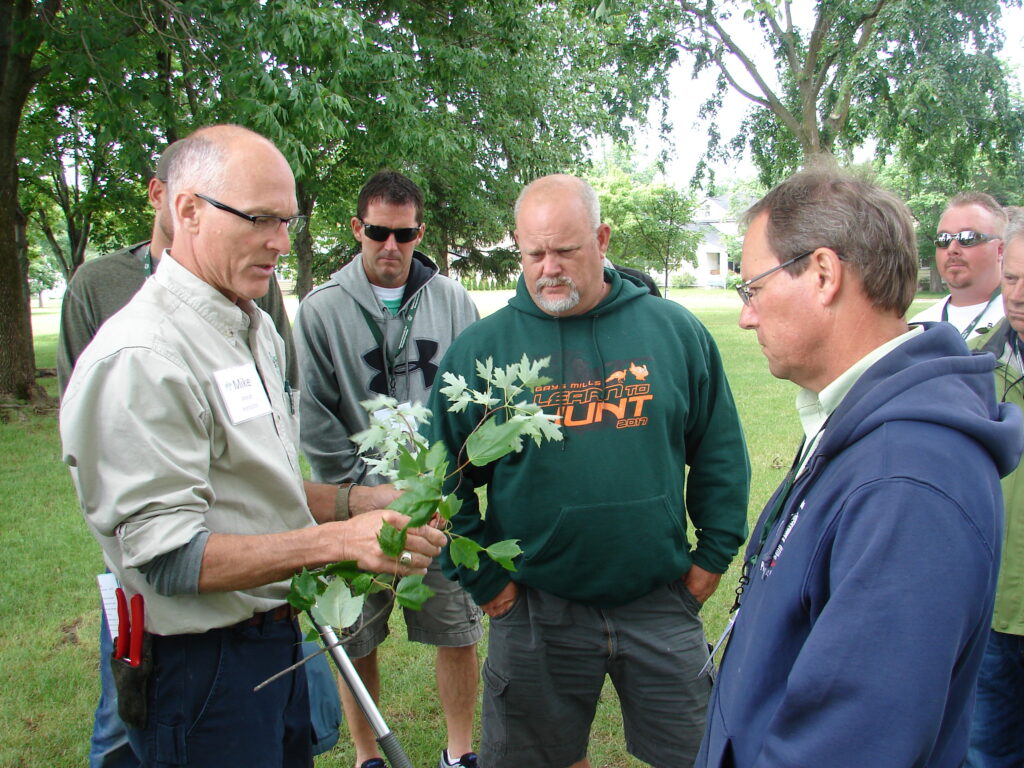 See below for information on training topics and events, including the WAA Summer Conference, leadership, pollinator habitats, safety, tree ID and the ISA Annual Conference.

 By Elle Soderberg, Wisconsin DNR Forest Products Specialist
 The U.S. Department of Agriculture’s Agricultural Marketing Service (AMS) announced the launch of an innovative new tool, the Log Truck Route Planner, to help forest owners, mill operators and log truckers in the Pacific Northwest allocate timber and schedule log trucks. The system can assist users in coordinating routing between logging sites and sawmills, which can significantly increase the returns to log truck owners/operators, create efficiencies in the operation of sawmills and ultimately increase the market for U.S. timber products.