
By Carter Hellenbrand, DNR Invasive Plant Field Specialist, Fitchburg
Carter.Hellenbrand@Wisconsin.gov
Note: This is the second installment in the Forest Health News “Invasives Spotlight” series, a monthly series of Forest Health News articles.
Monarch butterflies are dependent on native milkweed for survival. But did you know there are invasive plants within the milkweed family that negatively impact this relationship?
Continue reading “Invasives Spotlight: Black and Pale Swallow-wort”
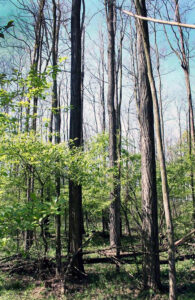
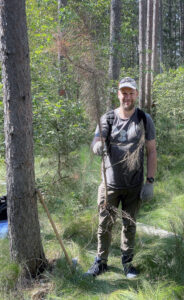
 Over the years, a growing body of research has proven that regular access to trees makes us happier and healthier. They restore our sense of calm from head to toe — improving memory and attention span, enhancing cognitive functioning, lowering blood pressure and reducing cortisol levels.
 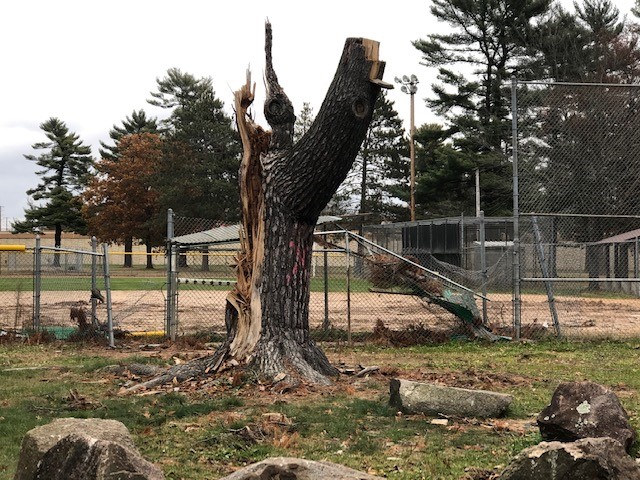 With recent storms passing through Wisconsin, communities may still be working on clean-up. Depending on the intensity of the storms and the condition of the trees, damage from high winds, heavy rainfall, hail and lightning can be quite severe. Cracked or broken branches, trunk damage and root failure are some of the main concerns, but also the risk and liability of damage to people and property.
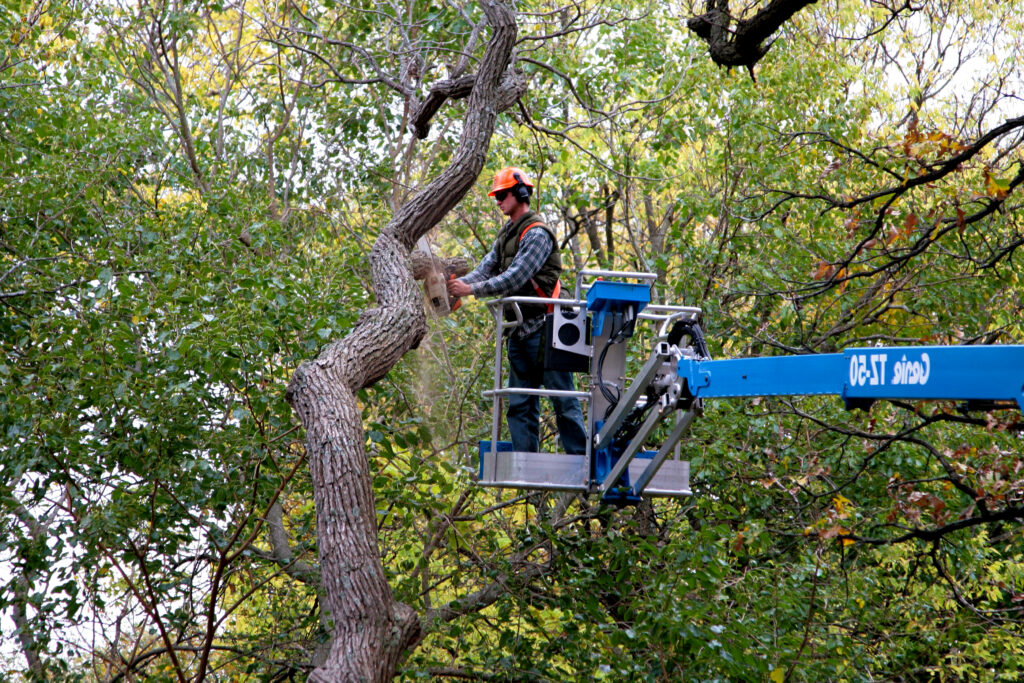 The American National Standards Institute (ANSI) Z133, more affectionately known at “The Z”, is the standard that contains arboriculture safety requirements for pruning, repairing, maintaining and removing trees, cutting brush and using equipment in such operations. If you’re reading this newsletter, you, your staff or your contactors likely participate in work that falls under the purview of this standard.
  * These training opportunities are provided as an information service only and do not constitute endorsement by the Wisconsin Department of Natural Resources (DNR).