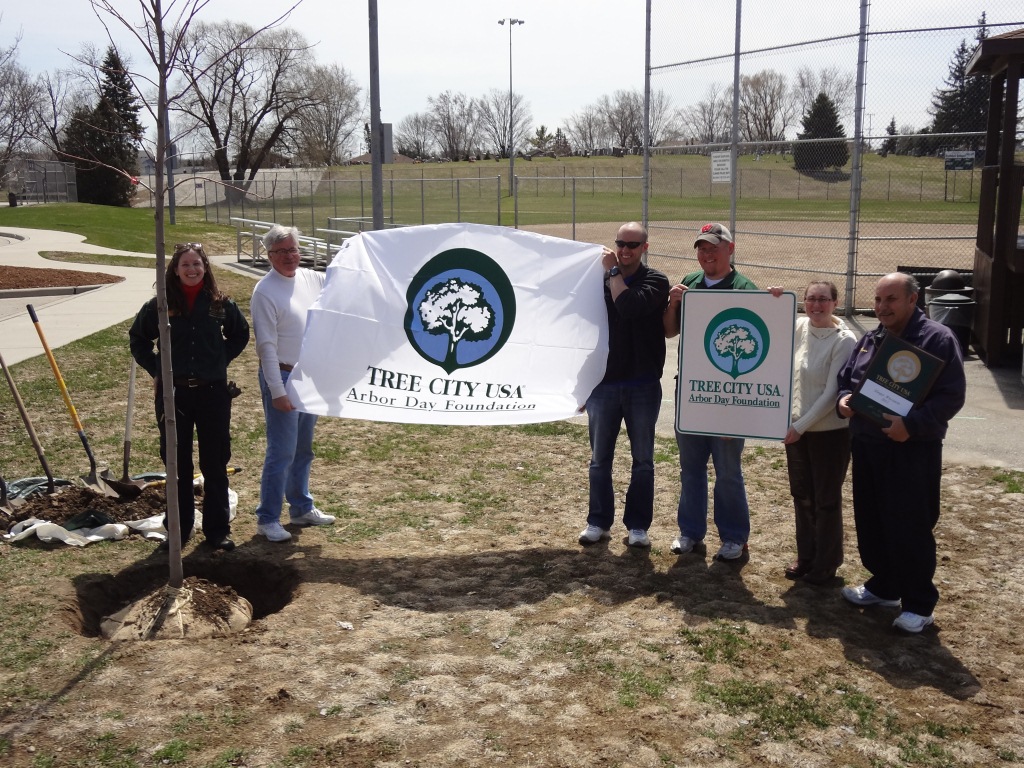
 Did you know that Wisconsin had 201 Tree City USAs this year? It’s the first time we’ve crossed the 200 threshold!
We hope you join us again this year in continuing our strong commitment to growing and maintaining a healthy tree canopy across Wisconsin. The application portal for Tree City USA is now open and available here. Applications are due Dec. 31.
Communities that have received Tree City designations for at least one year may be eligible for Growth Awards.
Continue reading “Arbor Day Foundation Now Accepting Tree City USA Applications”
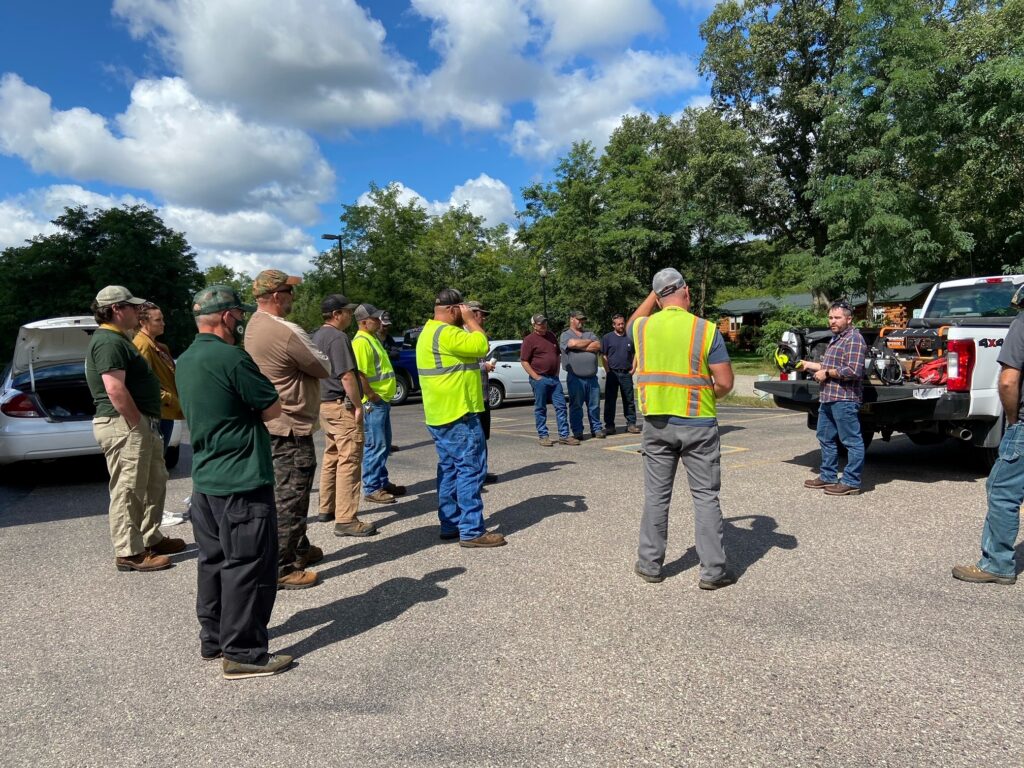 Part of our mission at the Wisconsin Department of Natural Resources (DNR) is to bring community foresters together to learn from one another and to provide training opportunities. Recently, one village administrator took it upon himself to do just that within his county.
 The Urban Wood Network (UWN) will host its second annual
 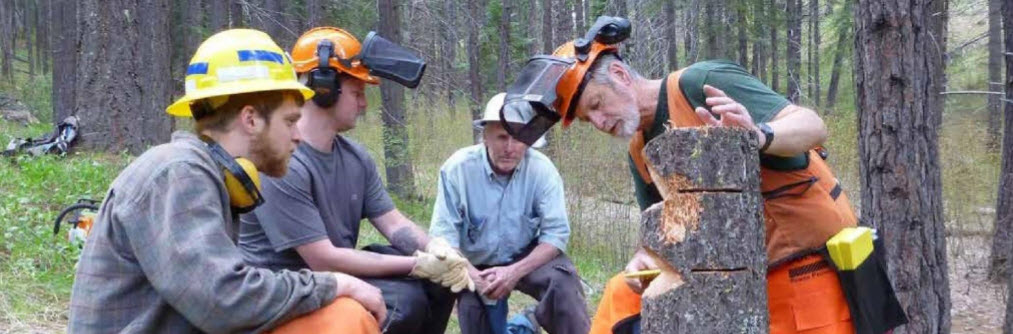 Driftless Area Land Conservancy will host Safety and Woods Worker (SAWW)-certified chainsaw safety and efficiency training near Muscoda, Wisconsin. Luke Saunders of Adaptive Restoration LLC will be the trainer.
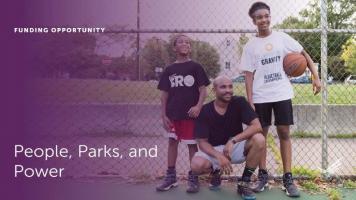 A new national initiative will provide $7 million in funding for community-based organizations to work on park equity and racial justice.