 Have a job opening you need to get the word out about before the busy field season ramps up?
The UW-Stevens Point’s Wisconsin Forestry Center welcomes employers to send in their job openings using this email: wfc@uwsp.edu. Web links are preferred, but PDFs are also acceptable. Be sure to include job title, type of employment (full-time, part-time, temporary, internship, etc.), location and application due date. There is no cost for posting openings. Continue reading “Post Your Forestry Jobs For Free”
 Now is the time to sign up for Run for the Trees: Happy Little (Virtual) 5K! Run, walk or roll to support tree planting and forest protection efforts in state parks. The program was started in 2019 when Bob Ross Inc. partnered with the Michigan Department of Natural Resources to raise awareness of and money for tree planting and has since expanded to 13 states.
  *These training opportunities are provided as an information service only and do not constitute an endorsement from the Wisconsin Department of Natural Resources (DNR).
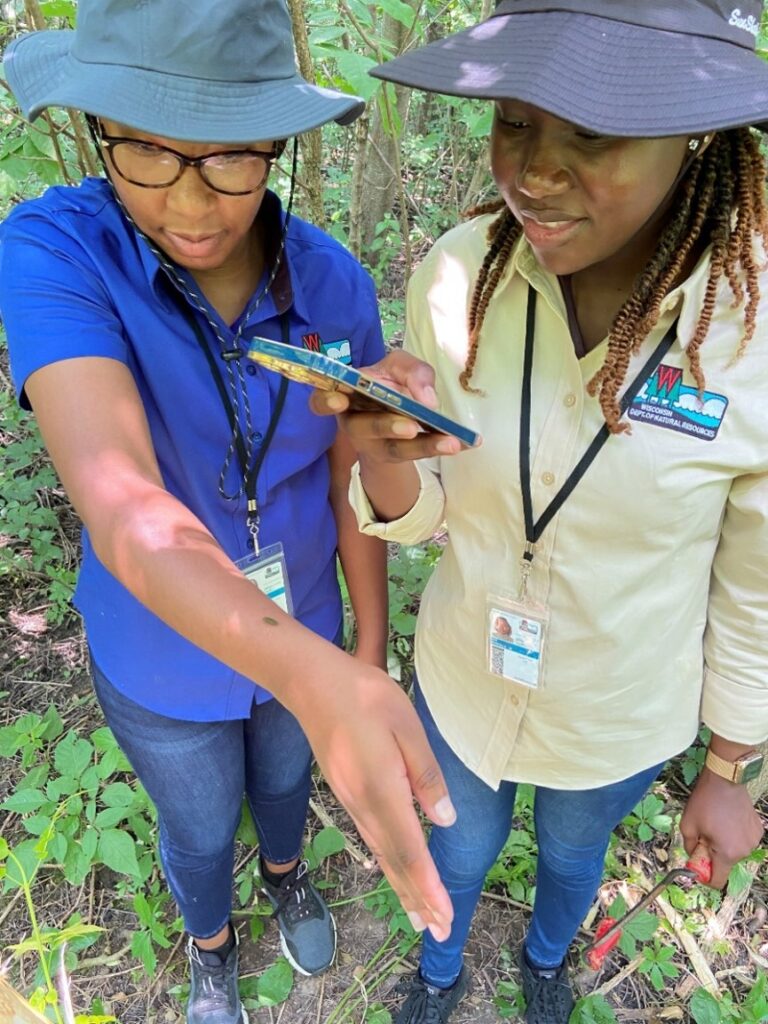 The application period is now open for hundreds of internships with the state of Wisconsin, including two positions with the DNR’s Urban Forestry program!
 What: 60+ Years of Enhancing the Urban Forests in Wisconsin
 The International Society of Arboriculture (ISA) Certified Arborist Municipal Specialist® credential will now be called
 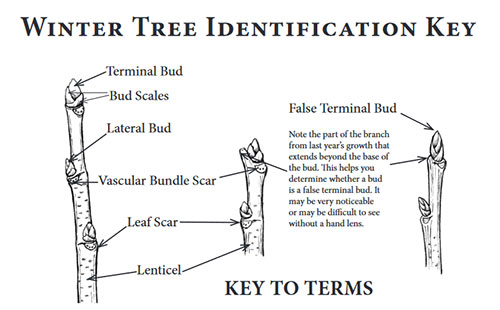 How do you learn to identify trees in the middle of a Wisconsin winter when most of the leaves are on the ground?
 The Great Lake Thriving Communities Grantmaking Partnership will distribute $40 million to organizations working in and for underserved communities throughout the Great Lakes region. All grants will be given to environmental and public health efforts in underserved communities across Region 5 as defined by EPA.