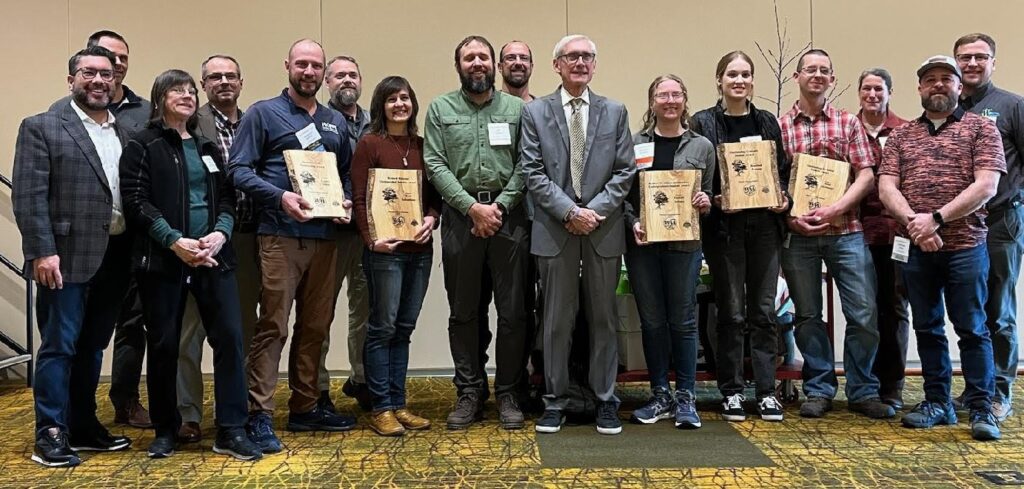
 Do you know of a person or organization that is making a difference in community forestry? Maybe it is a volunteer who spends their free time planting trees in the community or an organization that is committed to increasing tree diversity or a municipal employee who has dedicated their career to transforming a city’s urban forestry program. If so, please complete this short online nomination form to recognize them for their efforts! Continue reading “Reminder: Urban Forestry Council Award Nominations Due Oct. 31”
Urban Forestry News
Don’t Stop Watering Your Trees Yet!
By Brian Wahl, DNR Urban Forestry Coordinator, Brian.Wahl@wisconsin.gov or 608-225-7943
A simple act, a science and an art, but bottom line – all trees need water (even in autumn)
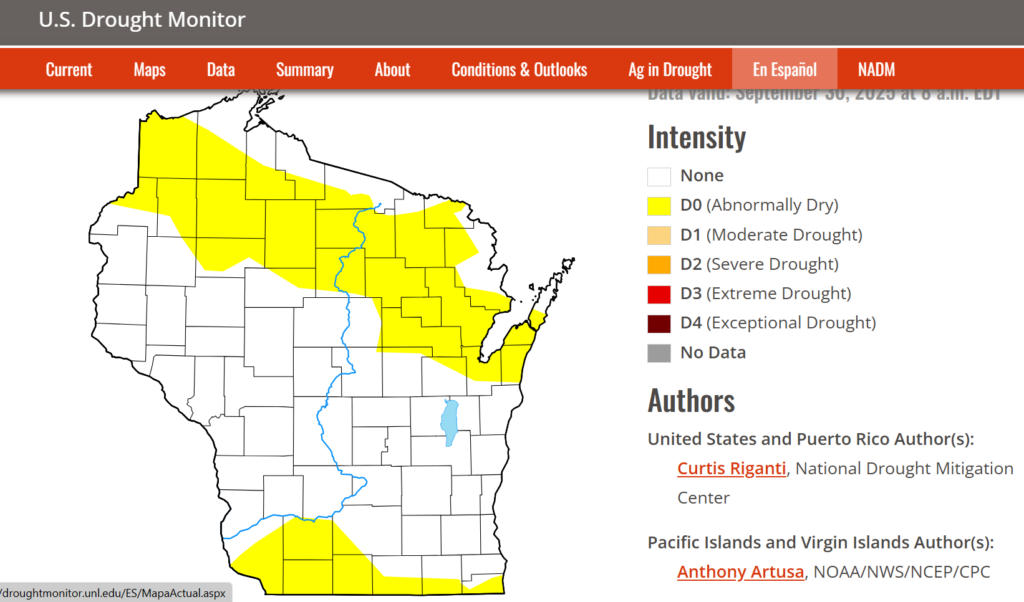
It’s a very dry start to autumn this year. Heck, it’s been a dry second half of summer, but thanks to our lovely wet spring, we aren’t in a drought yet. However, areas of the state are “abnormally dry” according to the U.S. Drought Monitor. So be sure to get out there and water your newly planted trees! If you have the time, your established trees would appreciate a cool drink of H20 as well.
Community Tree Care And Management Survey
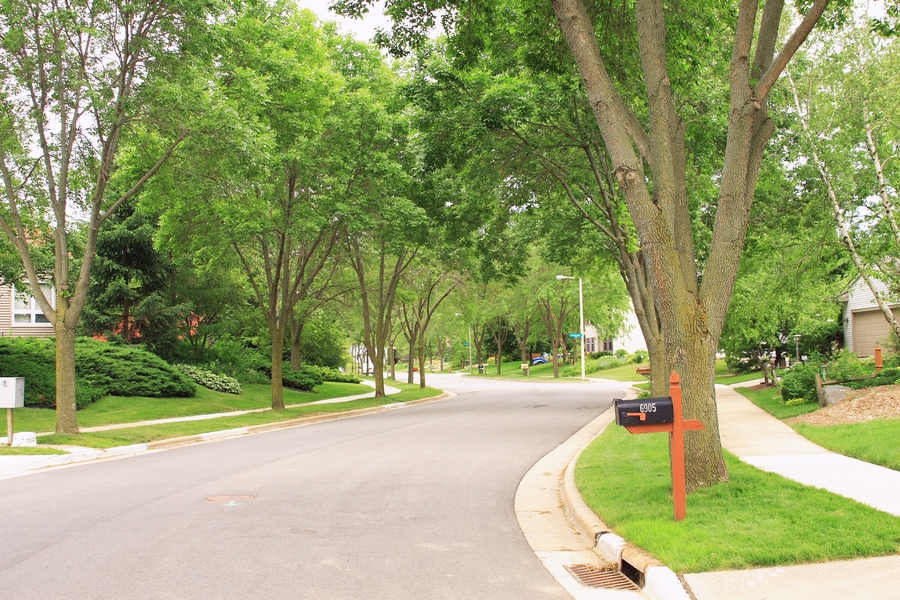 Are you responsible for tree care in your community? If so, please complete this survey to share the story of trees in your community. You can be an integral part of a 50-year data collection effort comparing tree activities across the country. Continue reading “Community Tree Care And Management Survey”
Program Spotlight: DNR’s Inflation Reduction Act Funded Projects Taking Root
By Jay Dampier, DNR IRA Grant Coordinator, Jason.Dampier@wisconsin.gov or 920-765-1935
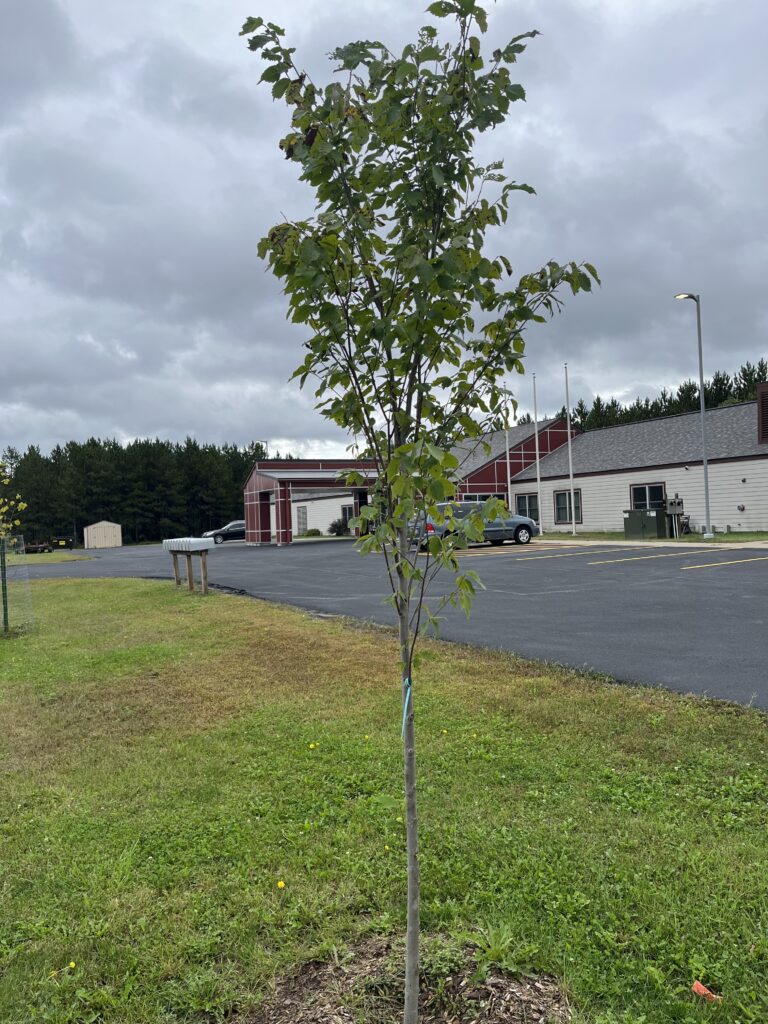
A tree planted with IRA funds is poised to provide shade over the parking lot at Mᶏᶏnᶏᶏpe Hocira – Ho-Chunk Veterans Housing Complex.
On a crisp spring morning in 2025, shovels break ground along a city street in Wisconsin. In another community, trees are being inventoried and assessed for risk. Elsewhere, a dangerous dead ash tree is being removed with a crane to make a neighborhood safer. It’s all part of a bold, three-year initiative made possible through the Inflation Reduction Act (IRA) and administered by the DNR’s Urban and Community Forestry Program. One year in, the thirteen grant-funded projects totaling $4 million are already taking root. Grantees include municipalities, tribes, nonprofits and one county. Grant awards range from under $100,000 to nearly $500,000 and are helping communities grow healthier, greener and more resilient. Together, these efforts are transforming neighborhoods and creating a legacy of shade, clean air and beautification across Wisconsin. Continue reading “Program Spotlight: DNR’s Inflation Reduction Act Funded Projects Taking Root”
Urban Wildlife Damage Abatement And Control Grants Now Open
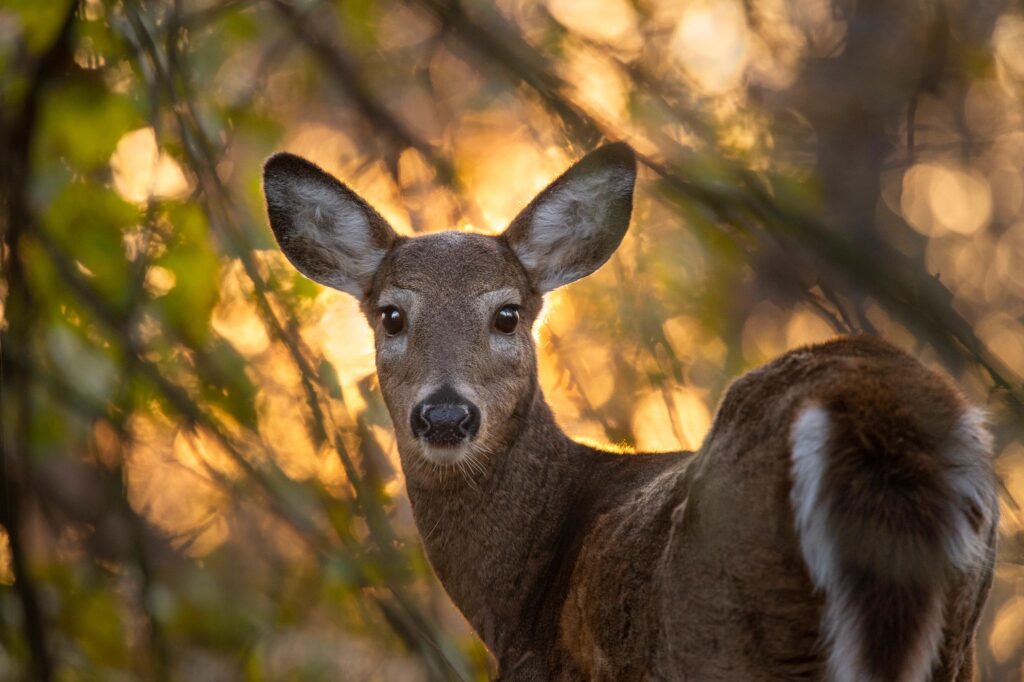 Urban Wildlife Damage Abatement and Control grants help urban areas develop wildlife plans, implement specific damage abatement and/or control measures for white-tailed deer and/or Canada geese. They are available to any town, city, village, county or tribal government with a population density of not less than 125 persons per square mile. This grant provides a 50% cost share up to $5,000 for eligible costs. The application deadline is Dec. 1.
DNR Tree And Shrub Seedling Sales To Begin Oct. 6
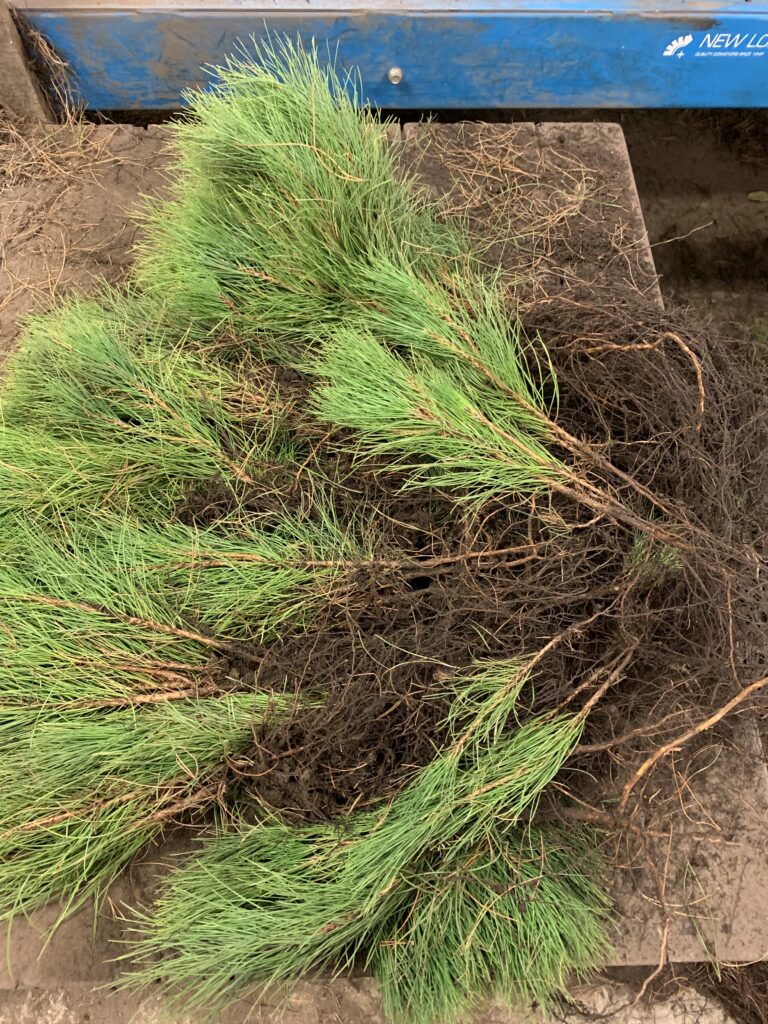 The Wisconsin Department of Natural Resources (DNR) is accepting seedling orders from Wisconsin landowners for trees and shrubs to be planted in spring 2026, starting Oct. 6, 2025.
Wisconsin forest nurseries have provided high-quality, native tree seedlings, appropriate for planting throughout Wisconsin, for over 100 years. Seedlings grown at the state nurseries are used for reforestation and conservation plantings on private, industrial, tribal and public lands. Continue reading “DNR Tree And Shrub Seedling Sales To Begin Oct. 6”
Upcoming Trainings
 *These training opportunities are provided as an information service only and do not constitute an endorsement from the Wisconsin Department of Natural Resources (DNR).
See below for information on training topics and events, including tree management and planning, urban tree diversity, root pruning, invasive species, urban wood, evergreen diseases, EHAP, the TRAQ program and fall foliage. Continue reading “Upcoming Trainings”
Fall Webworm Spins Its Way To Attention
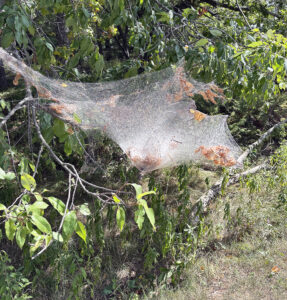
Fall webworms form a tent on a tree at Kohler-Andrae State Park in September 2025. / Photo Credit: Wisconsin DNR
By Bill McNee, DNR Forest Health specialist, Oshkosh
Bill.McNee@wisconsin.gov, 920-360-0942
The native insect known as fall webworm (Hyphantria cunea) has been generating calls and emails from curious property owners over the past few weeks.
The caterpillars don’t draw much attention on their own; instead, what catches the eye at this time of year are the large webs (or “tents”) that they create on the tips of tree branches.
Autumn Is A Great Time To Treat Invasive Plants
By Wisconsin DNR
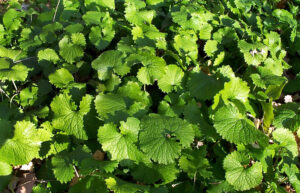
Rosettes on a garlic mustard plant. / Photo Credit: Wisconsin DNR
As temperatures begin to fall the leaves of many plants and trees have begun to change color. Some trees in the northern part of the state have already started to drop their leaves.
The Wisconsin Department of Natural Resources (DNR) reminds the public that fall is more than a great time to enjoy the changing hues in the woods. It also presents a good opportunity to spot the invasive plants persisting among the native plants and trees.
Continue reading “Autumn Is A Great Time To Treat Invasive Plants”
Urban Forestry Award Nominations Due Oct. 31
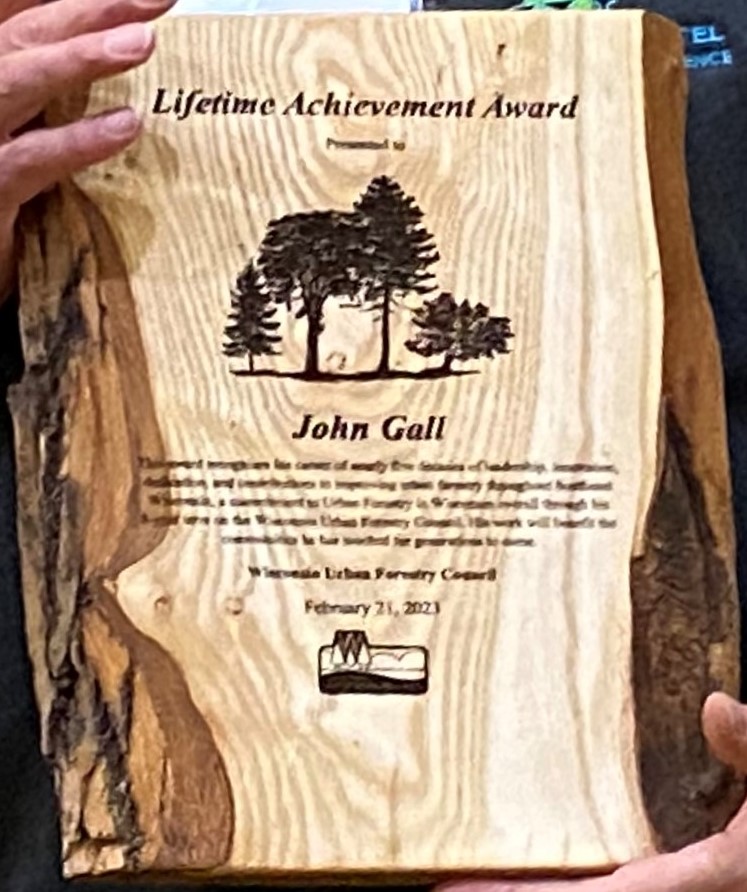
The Urban Forestry Council presents annual awards to outstanding individuals, organizations, communities and tribes that further urban forestry in Wisconsin. Awards are presented in the categories of Next Gen, Project Partnerships, Lifetime Achievement, Innovations in Urban Forestry, Leadership and Species Diversity. The awards are announced each year at the annual WAA/Wisconsin Department of Natural Resources Annual Conference and presented to winners in their community.
Continue reading “Urban Forestry Award Nominations Due Oct. 31”