By Olivia Witthun, DNR Urban Forestry Coordinator
Olivia.Witthun@wisconsin.gov or 414-750-8744
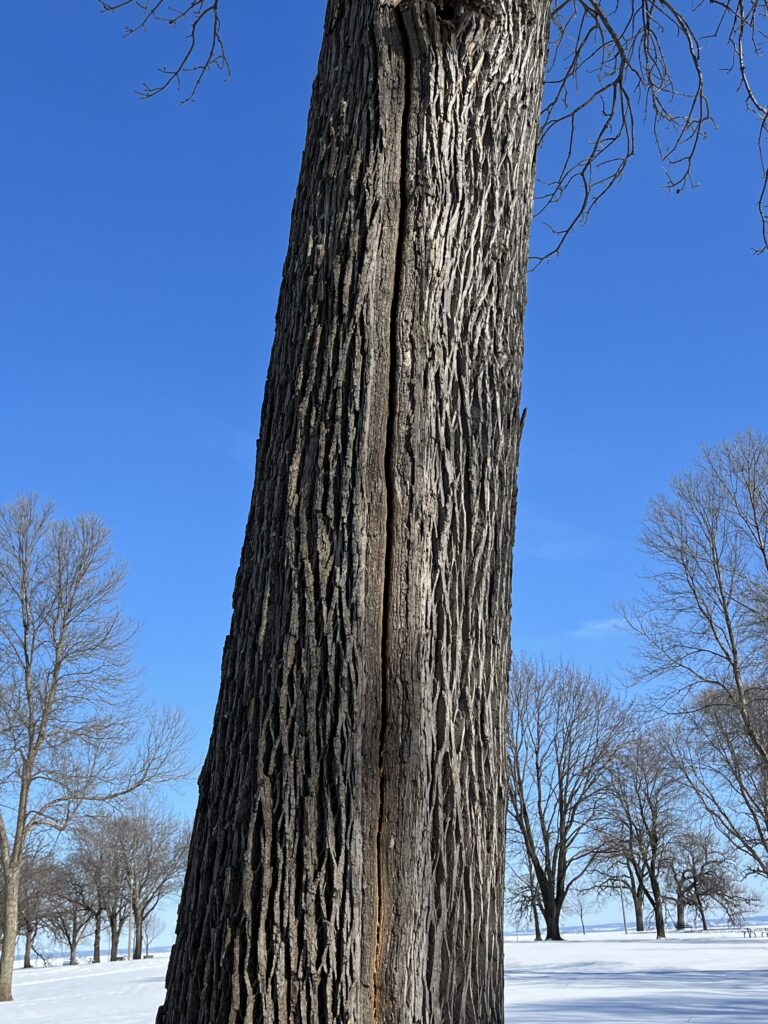 Wisconsin winters with subzero weather can create problems for our trees. Frost cracks are one of those problems we’re seeing an uptick of lately. These longitudinal openings can run the entire length of the trunk, often extend deep into the wood, and permanently damage a tree. In wintertime, the tree may even look like it’s splitting in half! Then warmer weather comes, and the crack seems to close, repeating this process annually. Over time, frost cracks may even develop a raised area where callus tissue develops in an attempt to close over the wound, only to reopen again next winter. Continue reading “Is That A Crack In My Tree?”
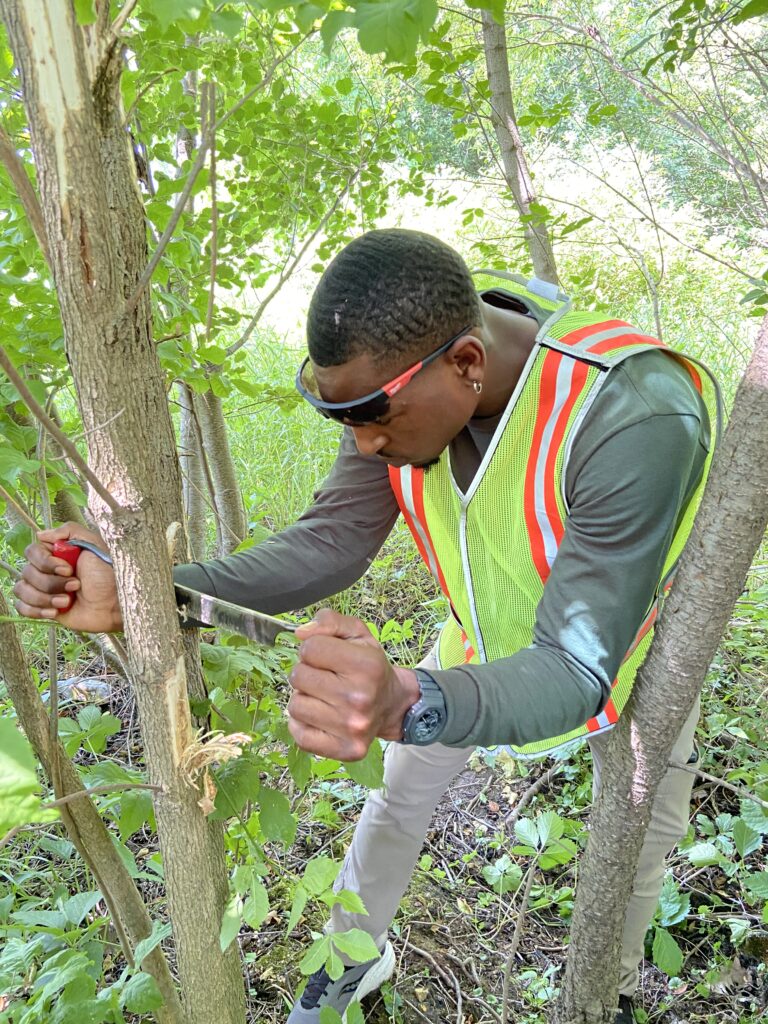 Have a job opening you need to get the word out about before the busy field season ramps up?
 Now is the time to sign up for Run for the Trees: Happy Little (Virtual) 5K! Run, walk or roll to support tree planting and forest protection efforts in state parks. The program was started in 2019 when Bob Ross Inc. partnered with the Michigan Department of Natural Resources to raise awareness of and money for tree planting and has since expanded to 13 states.
  *These training opportunities are provided as an information service only and do not constitute an endorsement from the Wisconsin Department of Natural Resources (DNR).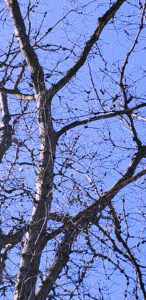
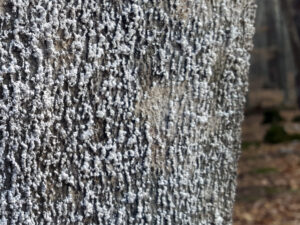
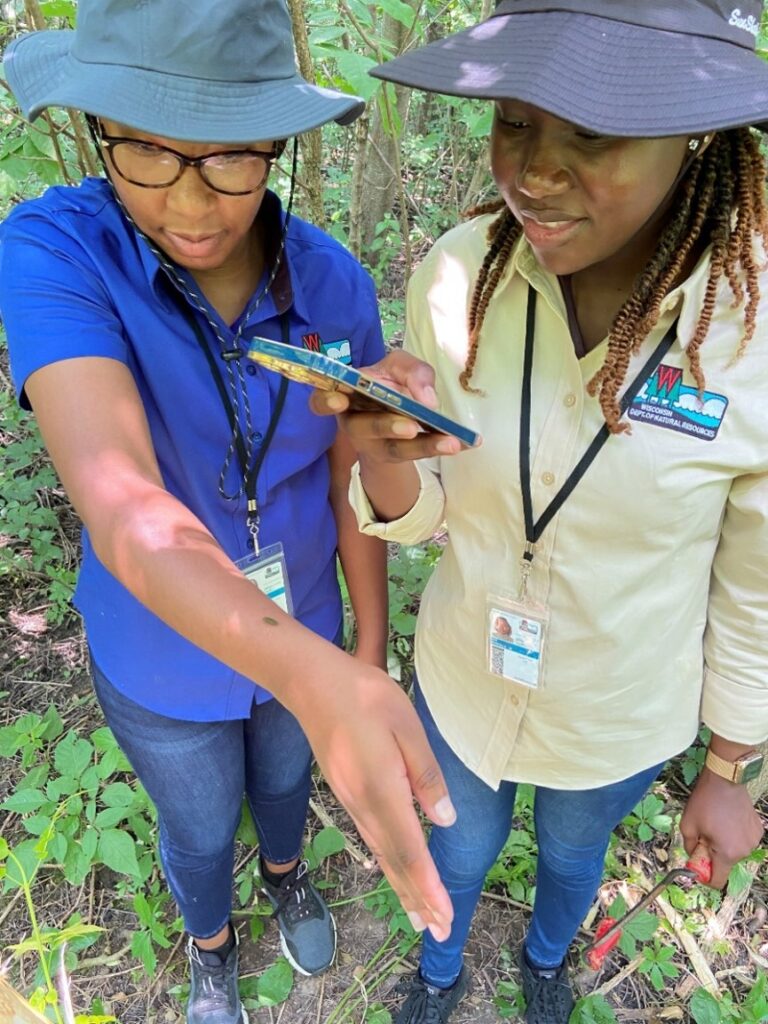 The application period is now open for hundreds of internships with the state of Wisconsin, including two positions with the DNR’s Urban Forestry program!
 What: 60+ Years of Enhancing the Urban Forests in Wisconsin