By Dan Buckler, DNR Urban Forest Assessment Specialist
Daniel.Buckler@wisconsin.gov or 608-445-4578
Urban Tree Canopy (UTC) assessments using aerial or satellite imagery have been one of the primary ways people estimate the extent of urban forests across an area of interest, whether it be a single park, a streetscape or a whole community.
Two recently released UTC resources are ready for use by Wisconsin communities and urban forestry practitioners. The first, TreeCanopy.us, is a mapping application that shows UTC and other land cover in urban areas across the country for 2017 and 2022. It also shows changes in canopy cover between those five years. Continue reading “New Tree Canopy Resources Released”
 The International Society of Arboriculture (ISA) Certified Arborist Municipal Specialist® credential will now be called
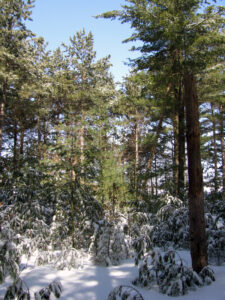
 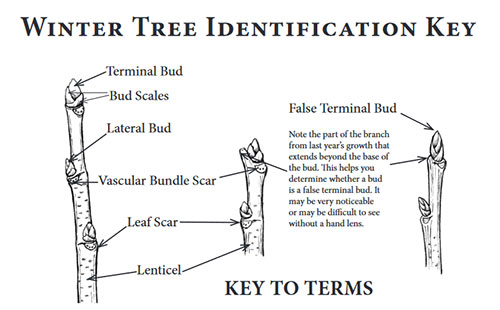 How do you learn to identify trees in the middle of a Wisconsin winter when most of the leaves are on the ground?
 The Great Lake Thriving Communities Grantmaking Partnership will distribute $40 million to organizations working in and for underserved communities throughout the Great Lakes region. All grants will be given to environmental and public health efforts in underserved communities across Region 5 as defined by EPA.
 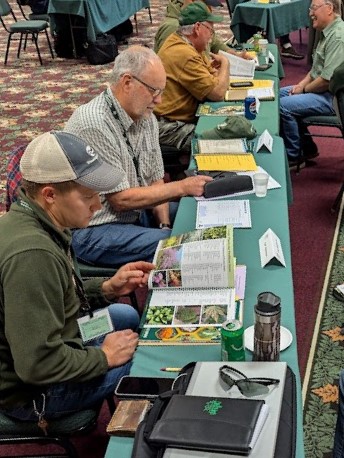 *These training opportunities are provided as an information service only and do not constitute an endorsement from the Wisconsin Department of Natural Resources.