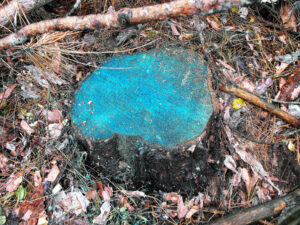
A freshly cut tree stump after treatment with fungicide to prevent infection with Heterobasidion root disease. The fungicide is dyed blue to help ensure complete coverage. / Photo Credit: Wisconsin DNR
By Tim Shively, DNR Forest Health Specialist, Eau Claire
Timothy.Shively@wisconsin.gov or 608-772-6974
Treating freshly cut conifer stumps is critical to preventing infection by Heterobasidion species, causal agents of Heterobasidion root disease (HRD).
Within this genus, H. irregulare is believed to be the only species in Wisconsin, and it causes the mortality of overstory pine and spruce trees. The DNR has developed comprehensive guidelines to assist landowners, property managers, foresters, and loggers with determining whether stump treatments are necessary to prevent the introduction or spread of HRD at a given site.
Continue reading “Stumping Heterobasidion Root Disease With Cellu-Treat®”
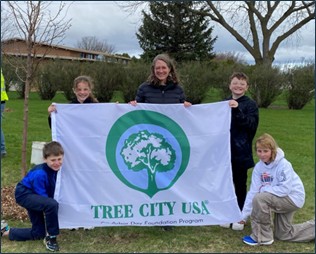 The online portal for Tree City USA (TCUSA) is
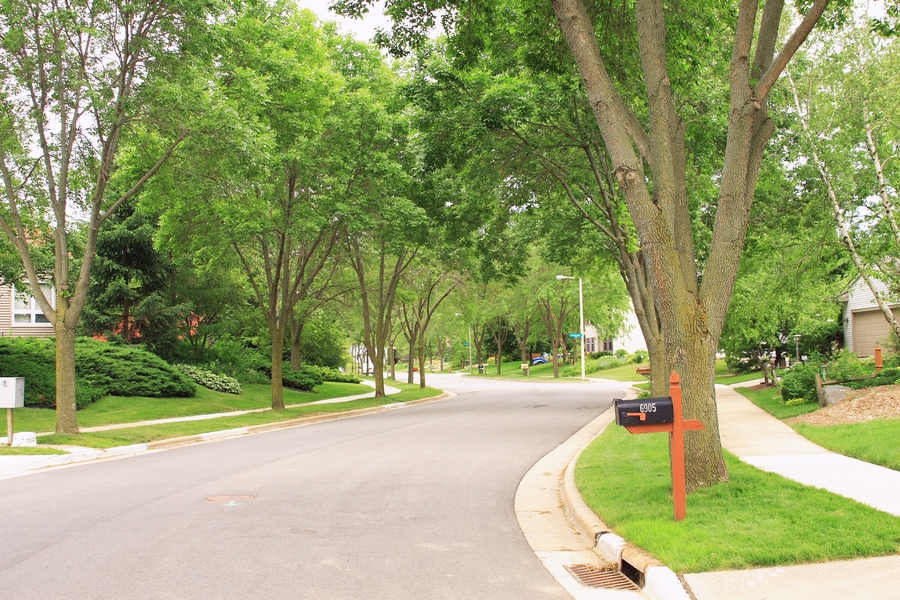 Are you responsible for tree care in your community? If so, please complete this
 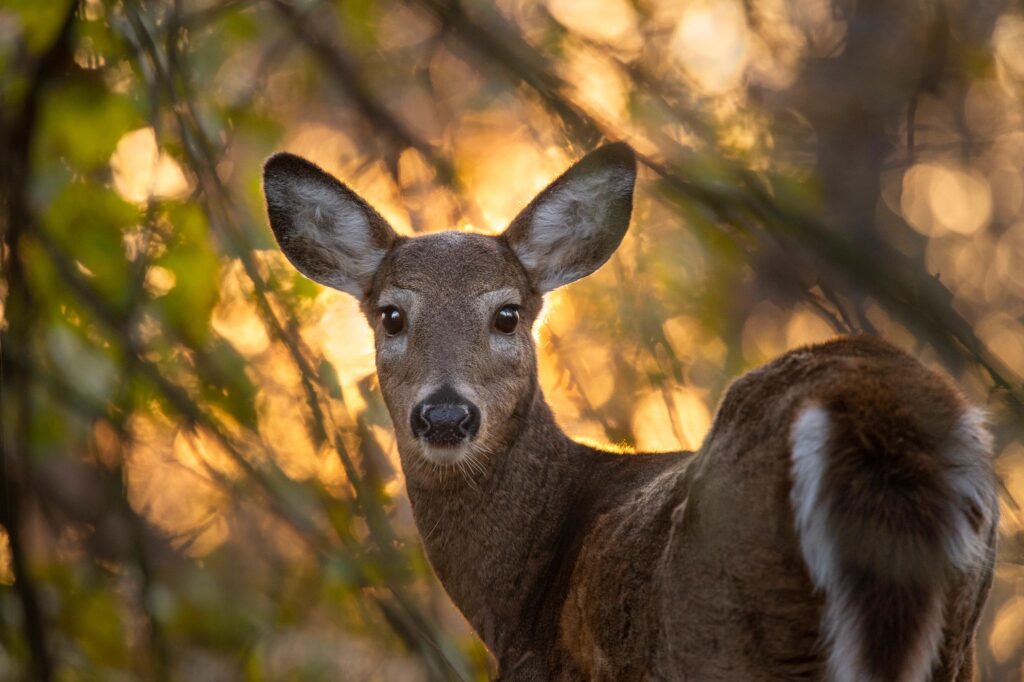 Urban Wildlife Damage Abatement and Control grants help urban areas develop wildlife plans, implement specific damage abatement and/or control measures for white-tailed deer and/or Canada geese. They are available to any town, city, village, county or tribal government with a population density of not less than 125 persons per square mile. This grant provides a 50% cost share up to $5,000 for eligible costs. The application deadline is Dec. 1.
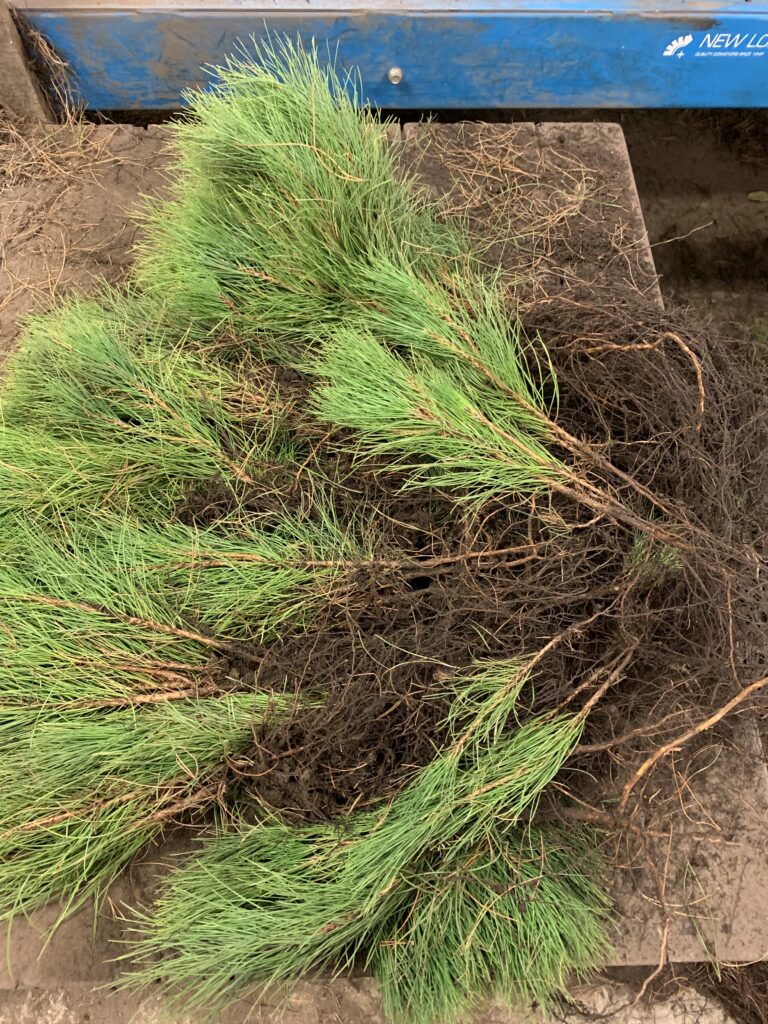 The Wisconsin Department of Natural Resources (DNR) is accepting seedling orders from Wisconsin landowners for trees and shrubs to be planted in spring 2026, starting Oct. 6, 2025.
 *These training opportunities are provided as an information service only and do not constitute an endorsement from the Wisconsin Department of Natural Resources (DNR).
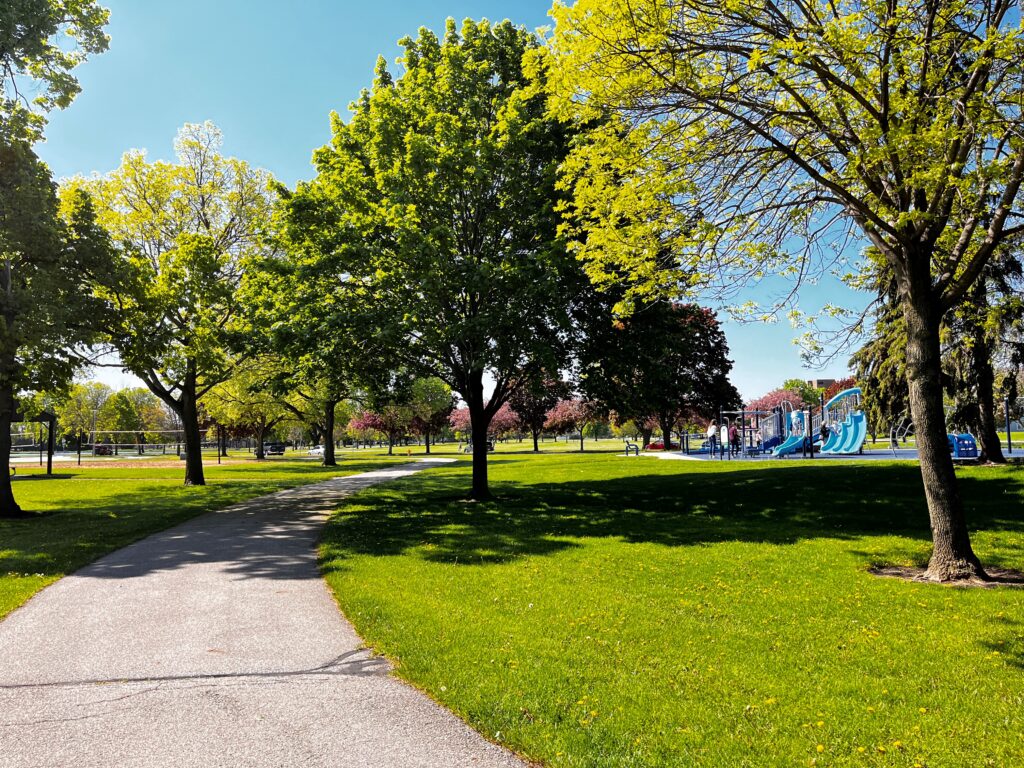 The grants range from $1,000 to $25,000, and grant recipients must match each grant dollar for dollar. A startup grant of up to $5,000 is available for communities that want to start or restart a community forestry program. Grants are awarded to projects that align with state and national goals for increasing the urban forest canopy and the benefits it provides. These grants do not subsidize routine forestry activities. In total, $559,680 is currently available in regular and startup grant funding for 2026.
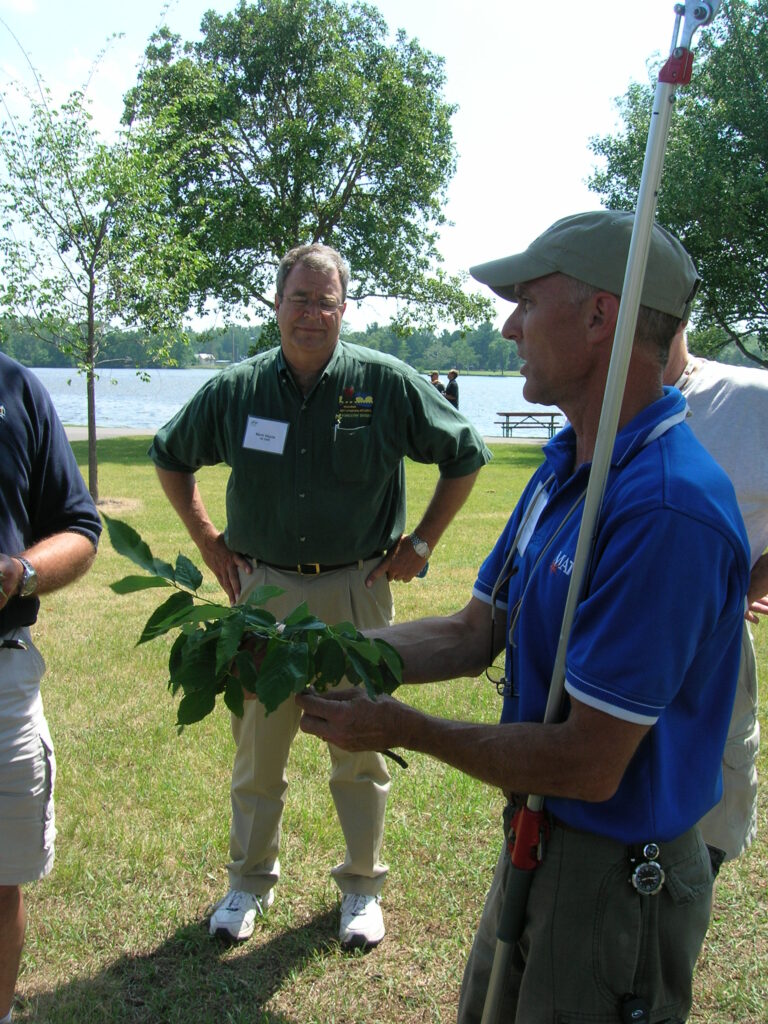 *These training opportunities are provided as an information service only and do not constitute an endorsement from the Wisconsin Department of Natural Resources (DNR).