By Carmen Hardin, DNR Applied Forestry Bureau Director;
Carmen.Hardin@wisconsin.gov
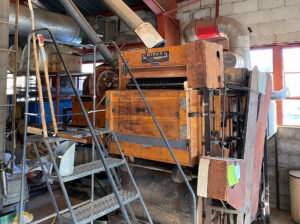
Existing seed cleaning equipment at Hayward State Nursery is scheduled for an update.
Landowners across the state have stepped up in a big way when it comes to planting trees.
At the end of 2023, more than 32 million trees had been planted and tallied as part of Wisconsin’s Trillion Trees Pledge. The program started in 2021 when Governor Tony Evers committed the state to planting 75 million trees and conserving 125,000 acres of forestland by 2030. Continue reading “Wisconsin Expands Trillion Trees Pledge”
 look different from the grants we have offered in the past. We have meticulously worked through the emergency rule change process to temporarily modify the structure of our grant program to facilitate the disbursement of this new funding. Our regular and start-up grant offerings will continue unchanged in 2024.
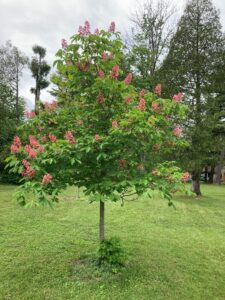
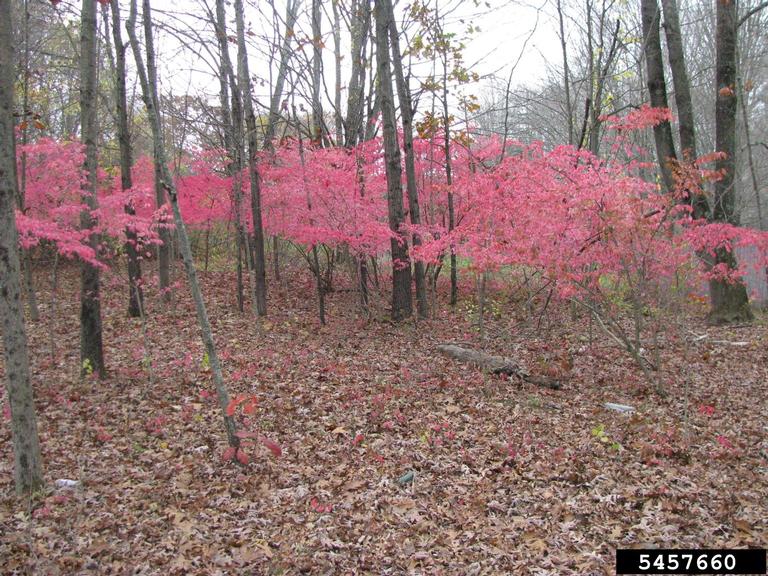
 For years, the economic contribution of urban forestry has been lumped together with broader green industry numbers. Several years ago, the Wisconsin DNR took the lead in a Landscape Scale Restoration Grant-funded project for the Northeast-Midwest region looking at the contributions of urban forestry. Regional and state-level reports will be available in Spring 2022.
 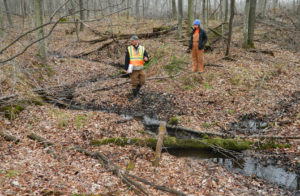 hydrologists – monitor our state’s water quality before, during and after forests are harvested. One is Nolan Kriegel. Through his work in safeguarding one of our major sources of clean water, he serves us all in this important job.