By Robert Allard, Urban and Community Forestry Coordinator, Rhode Island DEM
 This year, as families all over the country spend more time at home, we have been given the opportunity to appreciate the fresh air that we can enjoy on our own back porches and front stoops more than ever. Trees are a significant factor contributing to the quality of the air we breathe. Recent research shows that even relatively small trees bring benefits to their neighborhoods. Just a single tree has the potential to filter up to one third of fine particulates such as dust, dirt, soot, and smoke within 300 yards, and can reduce particulate matter inside homes by as much as 60%.
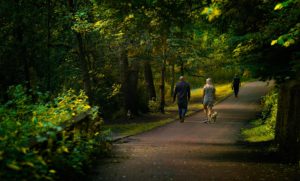 Thanks to the efforts of researchers over the past few decades, we have a solid understanding of the ecological benefits of urban forests, such as reduced greenhouse gases, decreased stormwater runoff, and lessening of the urban heat island effect. In contrast, knowledge of the human health benefits of urban forests is still developing. Existing reviews of health benefits have focused more broadly on nature, green space, and greenness rather than concentrating specifically on urban trees.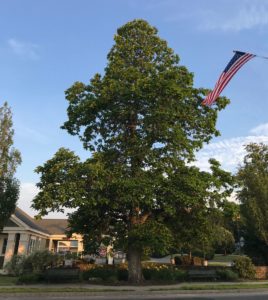
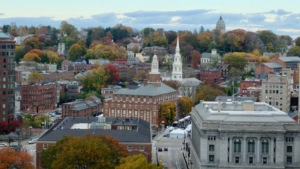
 “What is it about this place?” I wondered. “Why does this city feel so harsh, so disheartening?”
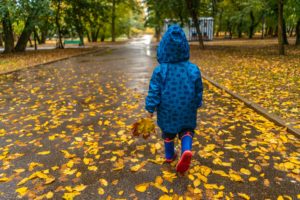
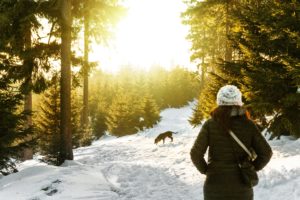 Are you going stir-crazy stuck inside your house or apartment? Take a visit to the forest outside your door! Step outside to enjoy the sights, sounds and smells of the trees and nature around you. It’s good for your mind, body and soul. Research shows exposure to nature reduces depression, anxiety and stress! Plus, we all know physical activity keeps your body healthy and boosts your mood.
  Looking for some hard numbers on how urban trees affect health conditions such as asthma, cardiovascular disease, obesity, and ADHD?
  Now more than ever, trees and forests are a vital component of healthy, livable, and sustainable communities, in the U.S. and around the globe. Along with its partners such as the Wisconsin DNR, the Arbor Day Foundation is seeking ways to link together those that plant and tend urban trees and forests for the benefit of humankind.