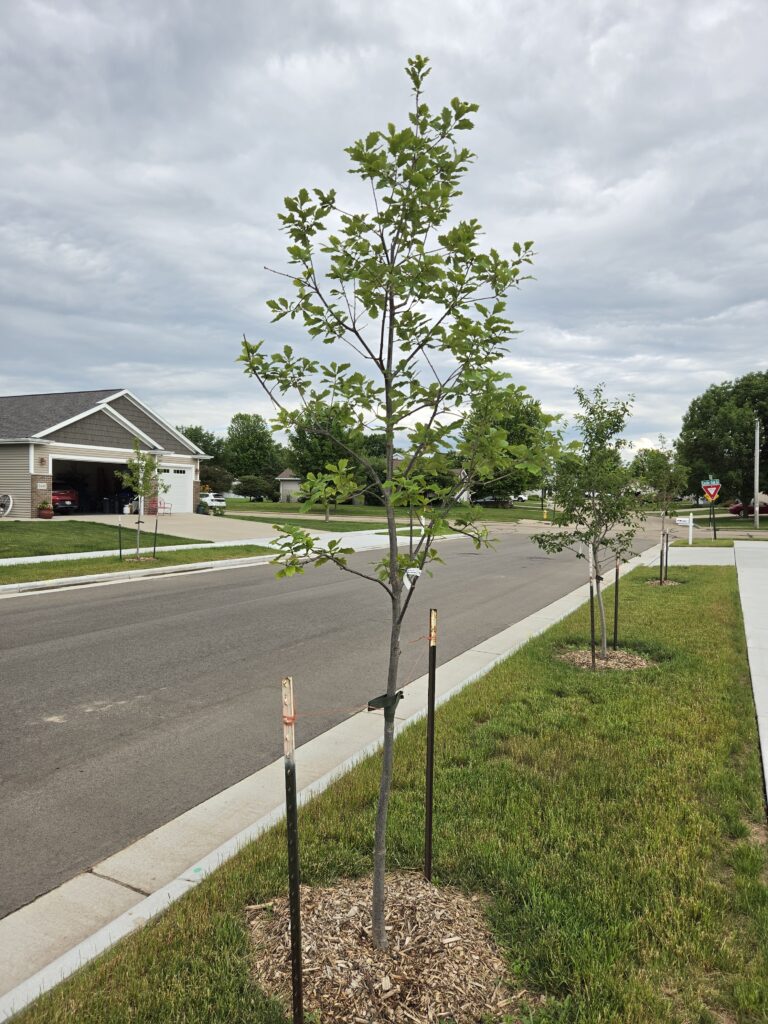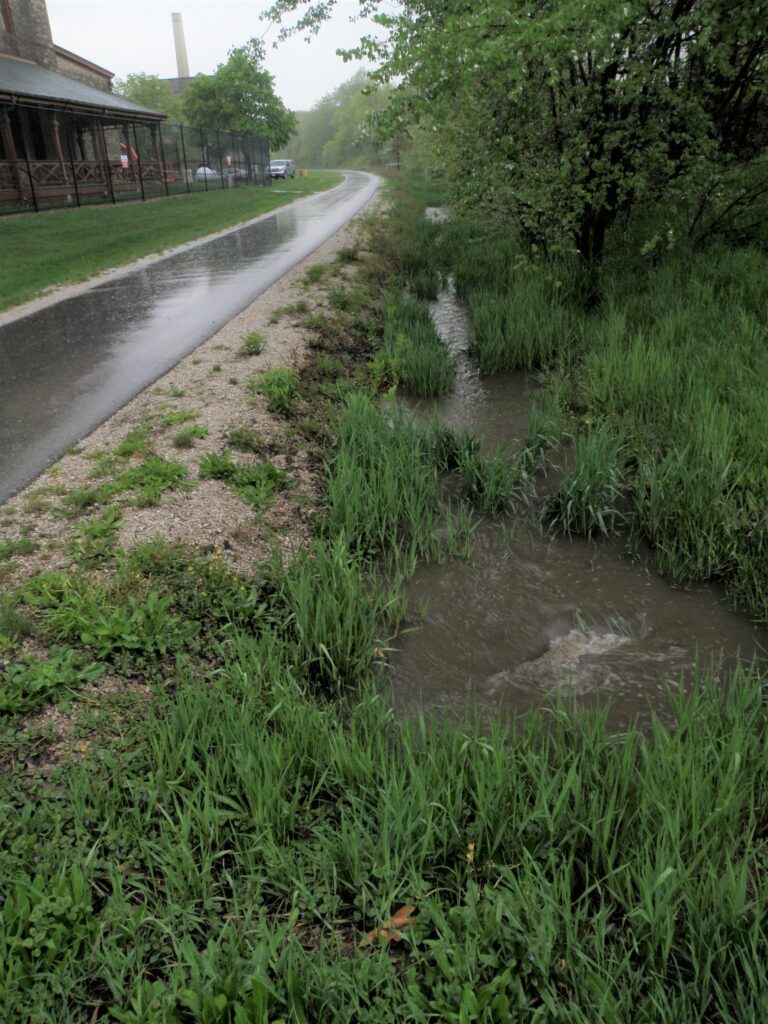
Photo Credit: Wisconsin DNR
DNR 2027 Surface Water Grant Preapplications Due Sept. 15, 2026
The DNR Surface Water Grant Program funds rivers, lakes and Aquatic Invasive Species subgrants for planning and management. The surface water grant program provides cost-sharing grants for surface water protection and restoration. Funding is available for education, ecological assessments, planning, implementation and aquatic invasive species prevention and control. With many different projects eligible for grant funding, you can support surface water management at any stage: from organization capacity development to project implementation. Funding may be used for vegetation management as it relates to improving the health of our waters. Pre-applications are due by 11:59 p.m. on Sept. 15, 2026. Final applications are due by 11:59 p.m. on Monday, Nov. 16, 2026.
Visit the DNR’s Surface Water Grant webpage for more information.
National Urban And Community Forestry Challenge Cost Share Grants Due Oct. 12, 2026
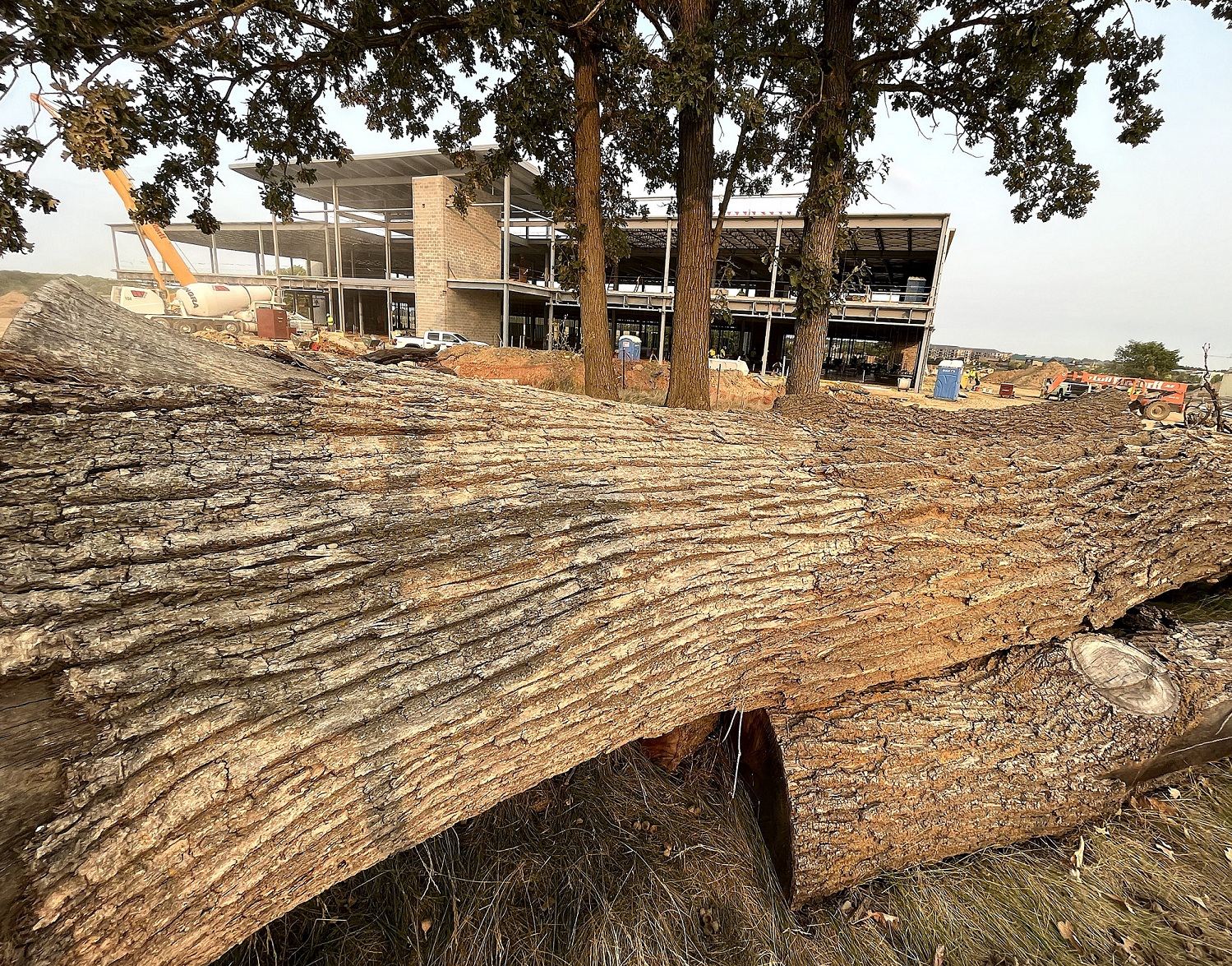
The intent of the National Urban and Community Forestry Challenge Cost Share grant program is to advance solutions to the economic, health and environmental challenges faced by communities. This year’s program focuses on advancing community tree resource utilization, which can reduce waste and create value by turning wood generated from pruning, removals, storm events and pest or disease outbreaks into useful products. These products may include lumber, slabs, furniture, flooring, biochar or other materials that strengthen local economies, reduce disposal costs and improve community resilience.
The program seeks practical, creative and replicable projects that help communities establish or expand wood‑utilization efforts. Competitive proposals will demonstrate how the project supports existing community forestry plans, applies industry‑recognized safety and tree‑care standards and delivers clear economic, environmental or workforce benefits. Projects should outline anticipated wood products, partnerships with professional or industry organizations and opportunities for job creation, training, or certification.
This program is intended for communities and their partners seeking to improve the management and use of their urban and community forests. Eligible applicants include state, local and tribal governments, nonprofit organizations, educational institutions and other community‑based partners. Additional information and requirements may be found by searching funding opportunity number USDA-FS-UCF-01-2026 on Grants.gov.
Community Forest and Open Space Due Oct. 13, 2026
The U.S. Department of Agriculture (USDA), Forest Service, State, Private & Tribal Forestry, is requesting applications for the Community Forest and Open Space Conservation Program (Community Forest Program or CFP). CFP is a competitive grant program that provides financial assistance to Indian Tribes, local governments and qualified conservation non-profit organizations to establish community forests through the fee simple acquisition of private forest land. The purpose of the program is to establish community forests by protecting forestland from conversion to non-forest uses and provide community benefits including public recreation, environmental and economic benefits and forest-based educational programs. Public access is required for all projects.
Applications are not submitted electronically via Grants.gov. The full Notice of Funding Opportunity and supporting documents (including scoring guidance and FAQs) are available under the ‘Related Documents’ tab of the listing and can be downloaded.
See the US Forest Service Community Forest website for more information about the program.
Additional information and requirements may be found by searching funding opportunity number USDA-FS-2026-CFP on Grants.gov.
Lake Superior Basin Community Forest Grants Due Dec. 8, 2026
The U.S. Forest Service is offering Great Lakes Restoration Initiative grants through the Community Forest and Open Space Conservation Program. Working with the U.S. Environmental Protection Agency, we expect to make about $3.5 million available to help communities purchase private forestland and establish community forests. Funding is open to projects in Michigan and Wisconsin within the Lake Superior basin in areas identified as a priority conservation area for the connectivity of wildlife habitat.
The Great Lakes form the world’s largest surface freshwater system and are the source of drinking water for more than 30 million people. Launched in 2010, the Great Lakes Restoration Initiative strategically targets the biggest threats to the Great Lakes ecosystem and accelerates progress toward long-term restoration goals.
Eligible applicants include federally recognized Tribes, local government entities and nonprofit organization that are qualified to acquire and manage land. Applicants may request up to $1 million through this opportunity, which must be matched by non-federal funds at a 1:1 rate. Additional information and requirements may be found by searching funding opportunity number USDA-FS-2026-GLRI-CFP on Grants.gov.