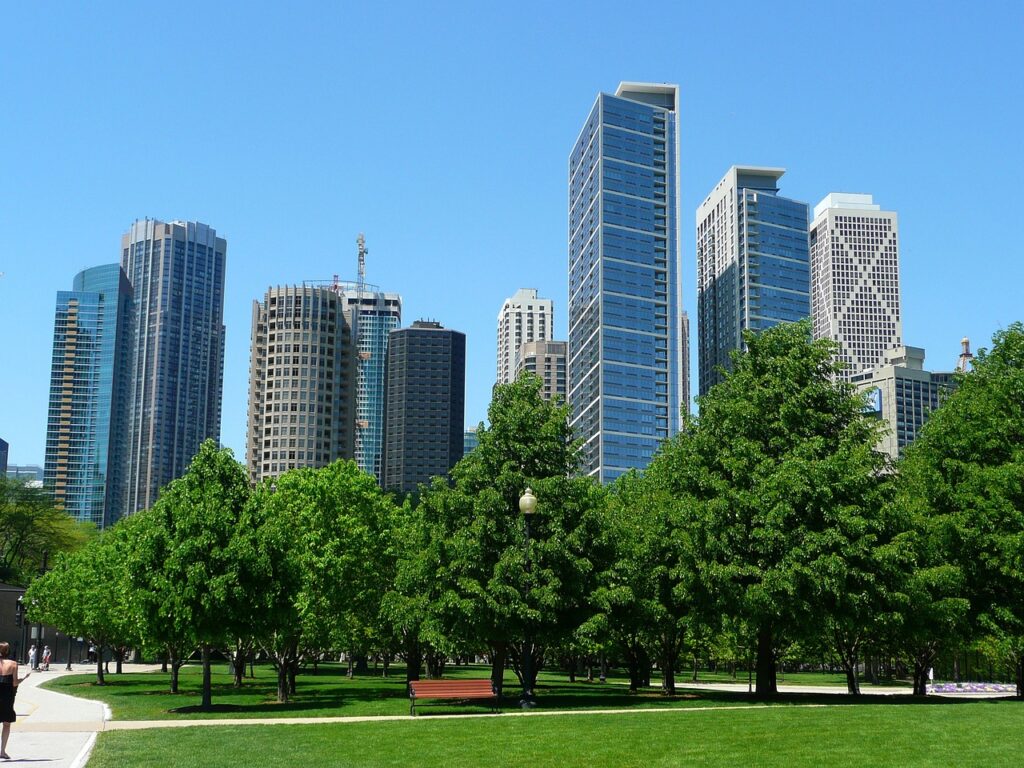
 The Arbor Day Foundation is thrilled to announce the 2024 Partners in Community Forestry Conference and Alliance for Community Trees Day will be held in Chicago, Illinois Nov. 20-21.
This gathering unites passionate individuals, communities, organizations and leaders to explore innovative solutions, share insights and collaborate on the future of urban forestry. Join leaders across the industry to focus on strengthening the bonds between people and trees, fostering sustainable practices and creating green, thriving urban landscapes. Continue reading “Register For The 2024 Partners In Community Forestry Conference”
 The U.S. Environmental Protection Agency (EPA)’s new
 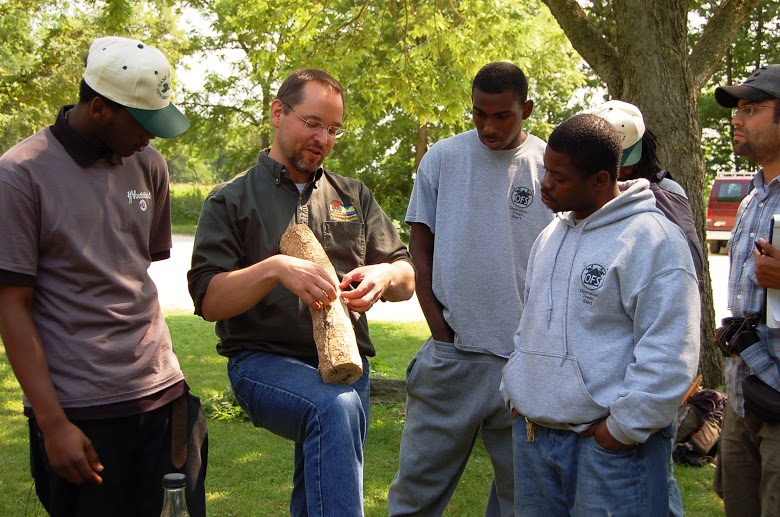 As part of the USDA Forest Service Urban & Community Forestry’s Inflation Reduction Act Program, the Center for Regenerative Solutions and Urban Sustainability Directors Network opened the application for capacity building and workforce development grants for communities to accelerate urban forestry through the launch and management of Community Forestry Corps youth employment programs.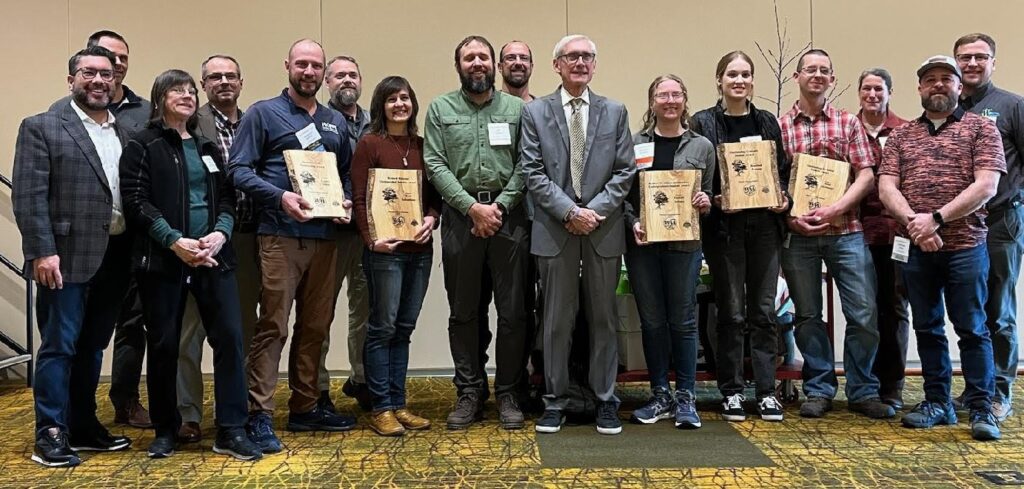
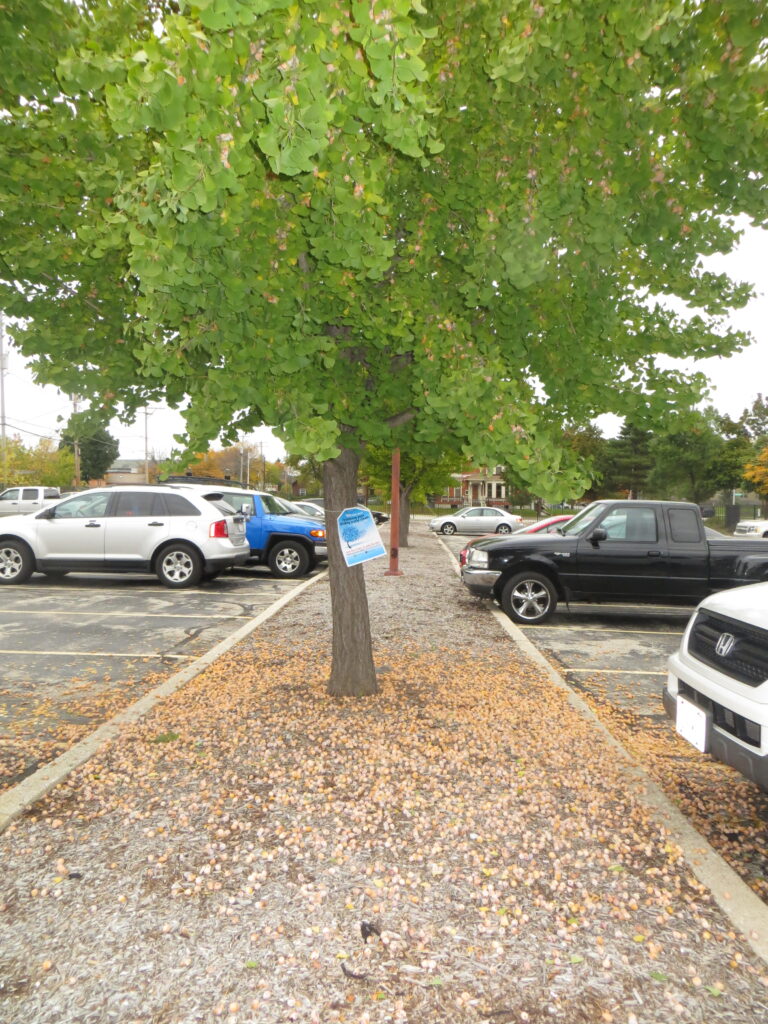 Cities, villages, towns, counties, tribes and 501(c)(3) nonprofit organizations in or conducting urban forestry projects in Wisconsin can now apply for a regular or startup 2025 Wisconsin Department of Natural Resources (DNR) Urban Forestry Grant.
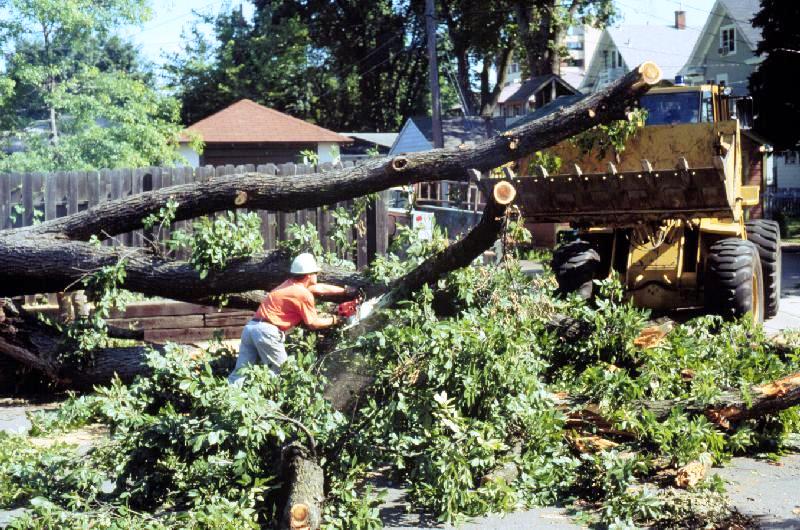 The Wisconsin Department of Natural Resources (DNR) is now accepting applications for Wisconsin Urban Forestry Catastrophic Storm Grants.
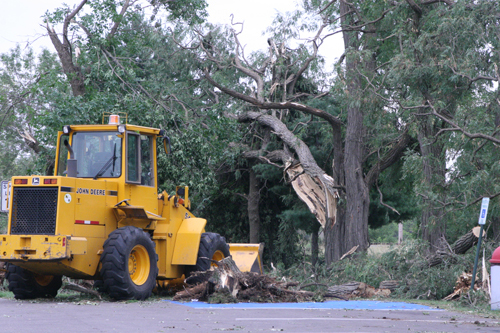 Severe weather can destroy Wisconsin communities and result in hefty cleanup costs. While public works budgets and insurance may cover some expenses, the costs might exceed available funding.
 Applications for funding through the