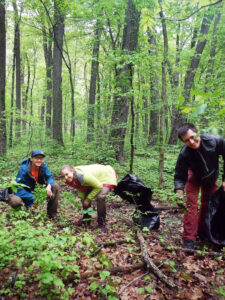
Volunteers smile while they spend a busy day pulling garlic mustard from a Wisconsin forested area. Volunteers provide thousands of hours of annual help in the fight against invasive plant species. / Photo Credit: Wisconsin DNR
By Mackenzie Manicki, Wisconsin DNR Invasive Plants Specialist
Mackenzie.Manicki@wisconsin.gov or 608-206-4561
June is Invasive Species Action Month in Wisconsin. This tradition of spreading awareness and taking action began back in 2005.
Twenty years ago, the Wisconsin Invasive Species Council collaborated with partners such as the Wisconsin Department of Natural Resources (DNR) and the Invasive Plants Association of Wisconsin (IPAW) to hold the first Invasive Species Action Awards, aimed at recognizing and celebrating professional or volunteer groups and individuals that exemplify what it means to make an impact on invasive species.
Continue reading “Take Action On Invasive Species This Month”
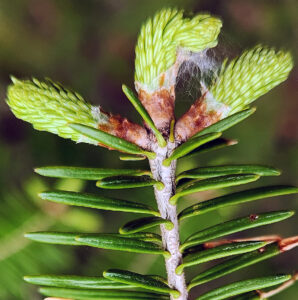
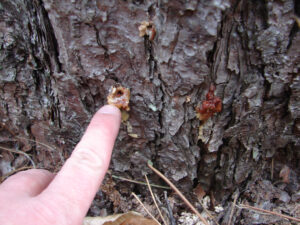


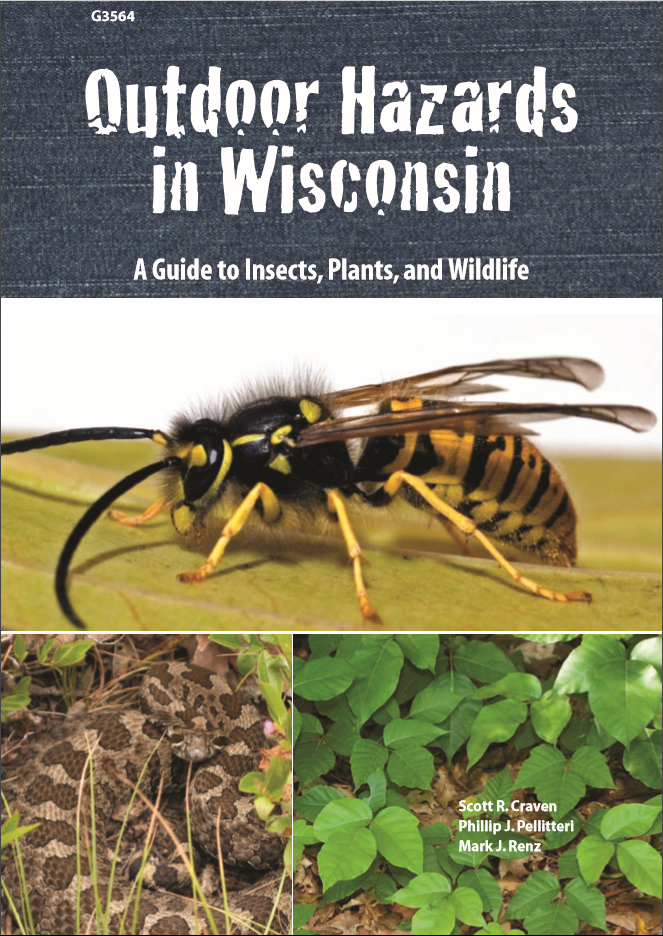 Have you ever walked through a patch of poison ivy or brushed up against wild parsnip? If so, you probably learned an uncomfortable lesson about encountering harmful plants. Luckily, there is a less painful way to learn about dangerous vegetation hidden among Wisconsin’s natural beauty. Now is the time to brush up on hazards you may encounter while working or recreating outdoors.