
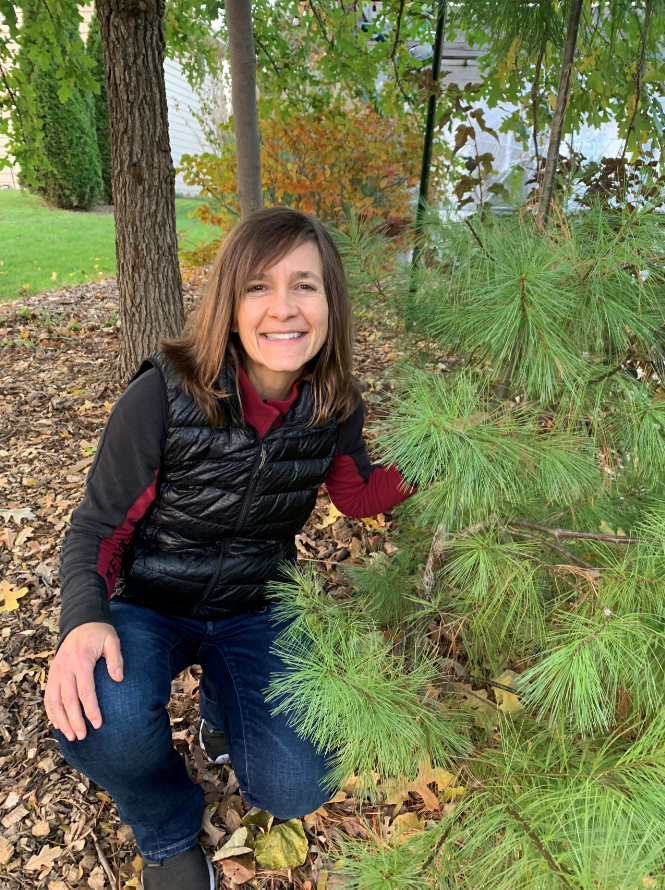
 Congratulations to Kim G. Sebastian as she begins her retirement this month. Kim has been with the DNR as Urban Forestry Coordinator since 1990. Read on to hear Kim reflect on her experience with the DNR and share some parting words.
After 32 years in the enviable position as a Wisconsin DNR Urban Forestry Coordinator, I will be retiring on Aug. 1, 2023, from a dream job I love, with colleagues I love even more. I’ve been incredibly blessed to learn, smile and serve every day and to call hundreds of strangers now friends. Thank you for accompanying me on this career journey and helping build one of the most incredible forestry programs in the country. Thank you for having faith in me back in 1990.
Continue reading “DNR Urban Forestry Coordinator Kim Sebastian Retires”
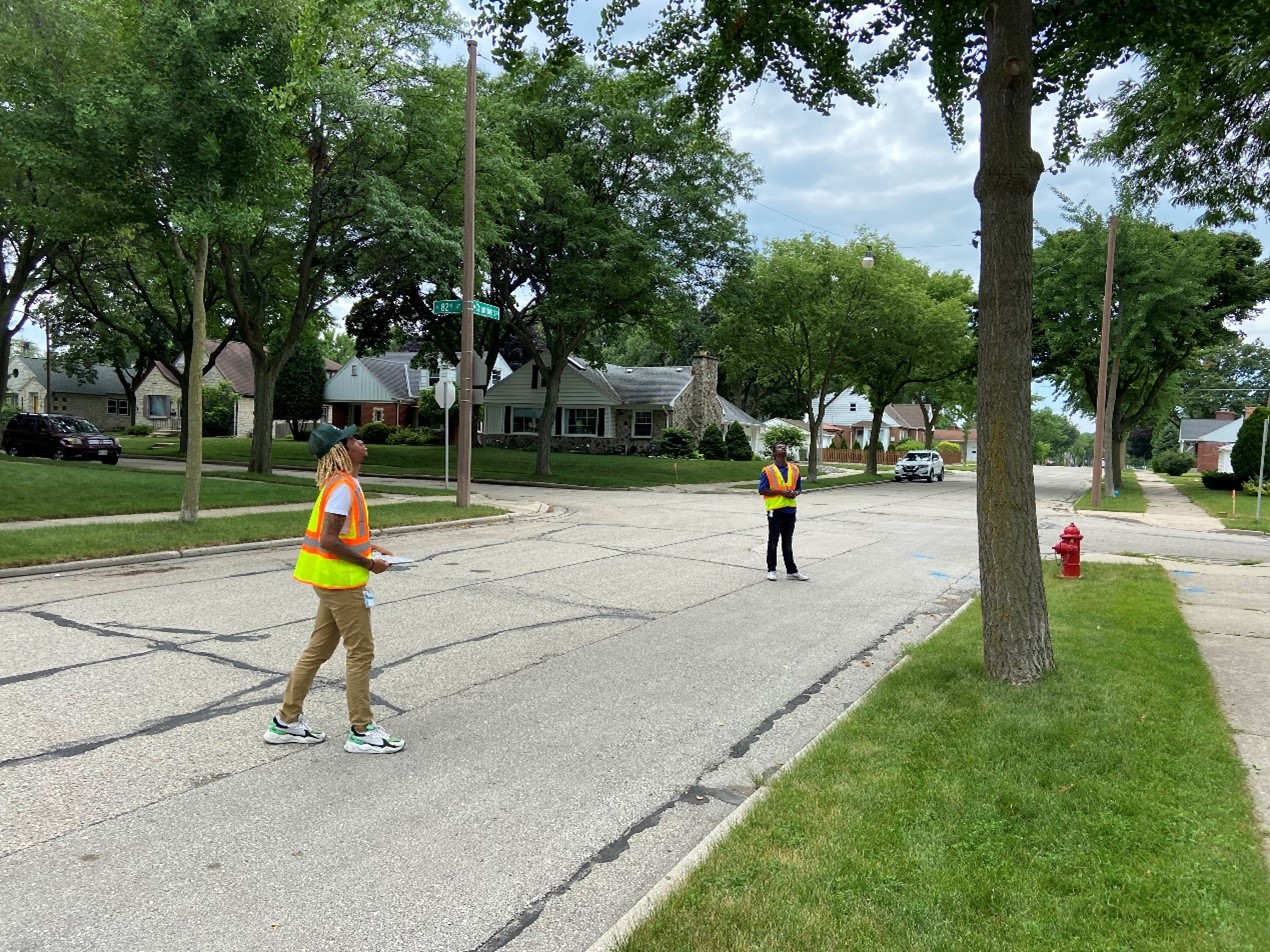
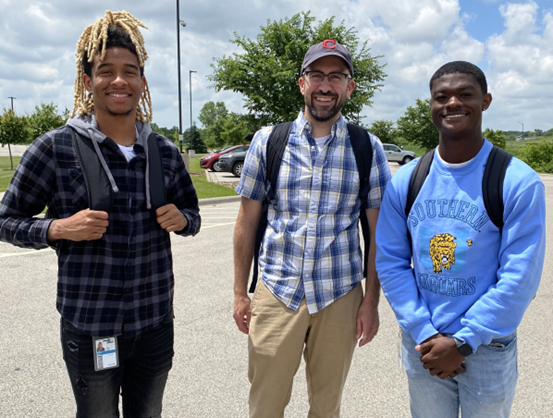
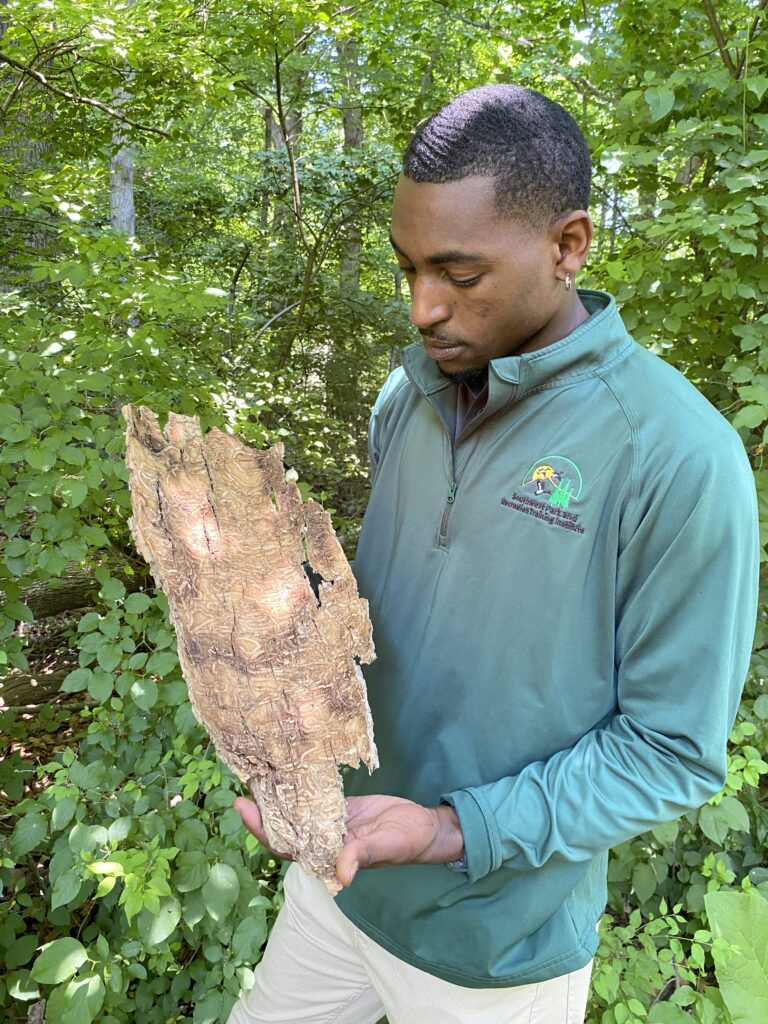 Deron Isom will be graduating this spring from Southern University and A&M College’s Urban Forestry and Natural Resources Department. He chose urban forestry and natural resources to contribute to the care of the environment. During his time at Southern, he had opportunities to intern with the National Fish and Wildlife Foundation and partner with the Recreation & Park Commission for East Baton Rouge Parish to produce multiple resource management plans and tree inventory projects. He is currently employed with the USDA at the Honeybee Breeding, Genetics and Physiology Agricultural Research Lab. He is known for his master status as a professional pugilist as well as pursuing a professional boxing career. He is a member of The Society of American Foresters, The Louisiana Forestry Association, Southwest Parks and Recreation Training Institute, and Spartans Boxing Club. He has goals to increase global contributions to sustainable living and spread his knowledge of agriculture.
 The city of Madison is happy to announce Ian Brown as the new City of Madison Forester.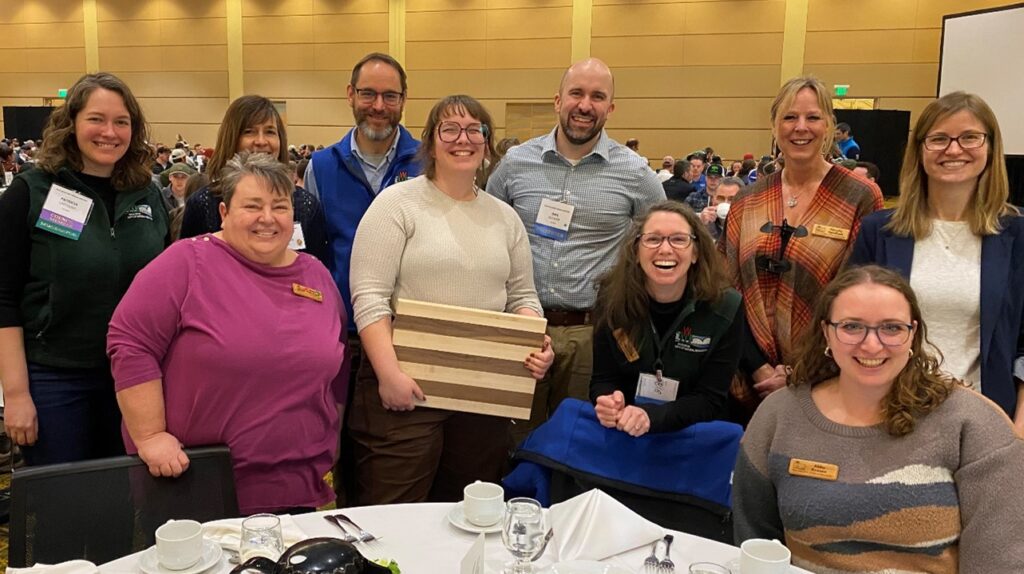
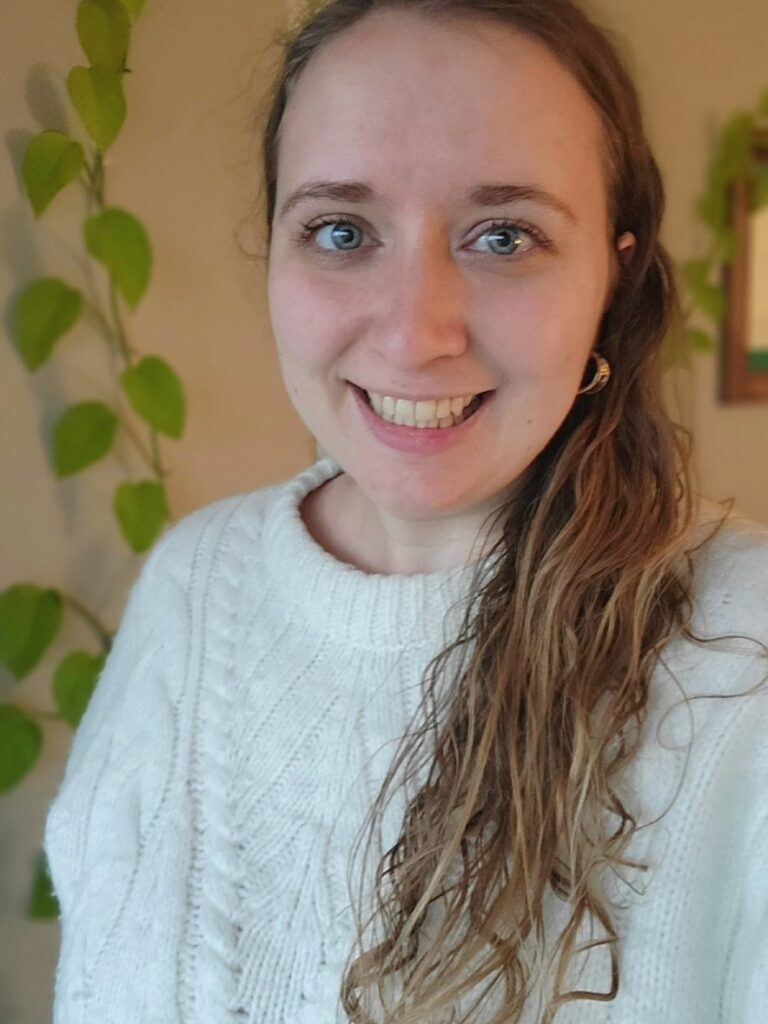
 We are excited to announce the newest addition to our team! Kirsten Biefeld has accepted the position of Urban Forestry Council Liaison and Outreach Specialist. Her first day was Monday, June 6, 2022. Kirsten is based in the Madison office.
  I am very pleased to announce that Abby Krause has accepted the West Regional Urban Forestry Coordinator position. Abby’s first day was April 11, and she is based in Eau Claire.
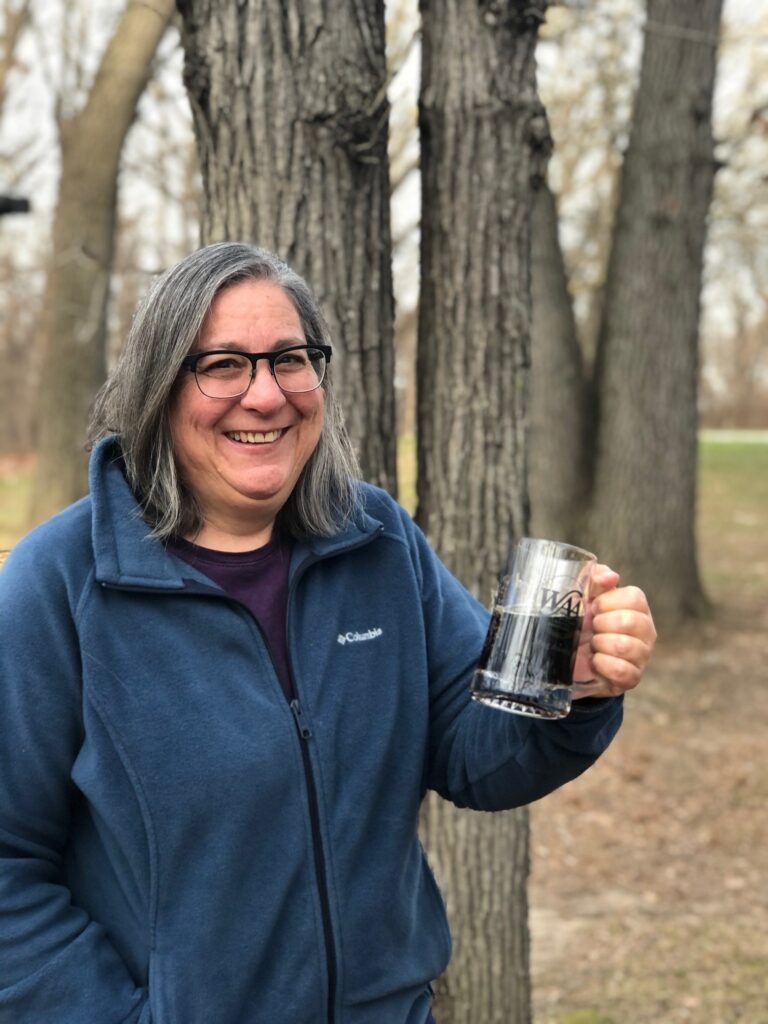 We wish Sara Minkoff the best as she retires following a seven-year career at the Wisconsin Department of Natural Resources (DNR).
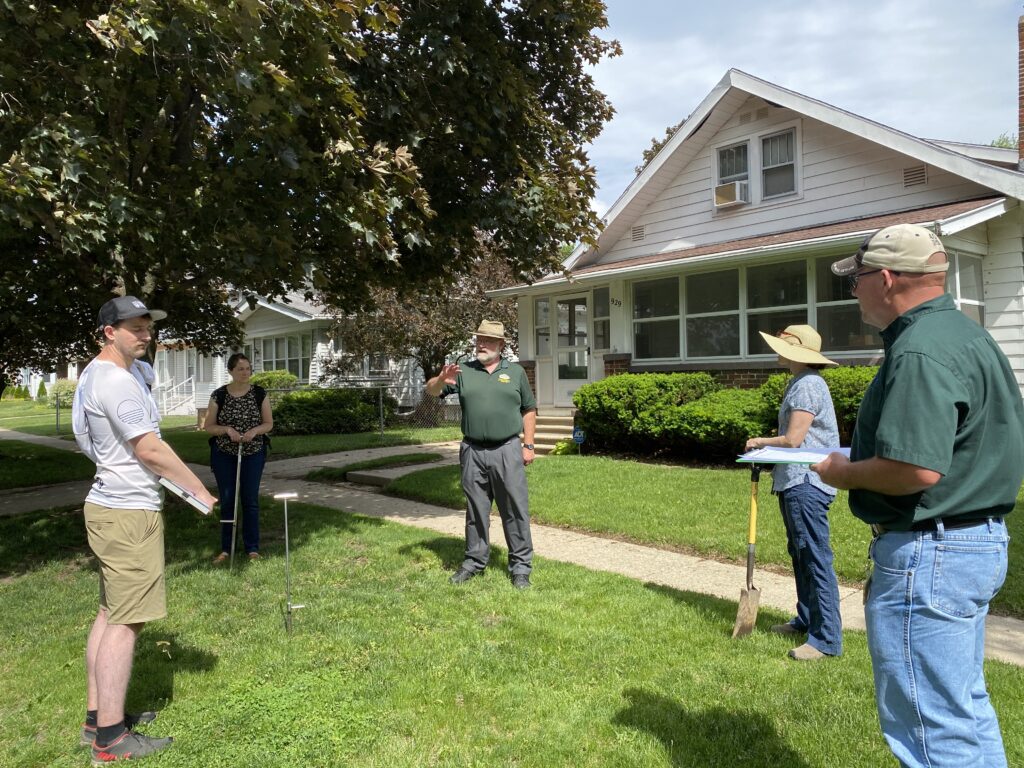 As the year draws to a close, we asked DNR urban forestry staff to reflect on the last 12 months and choose their top highlight – whether it’s a project they’re especially proud of, a new partnership or a deeper relationship with coworkers. Here are their responses: