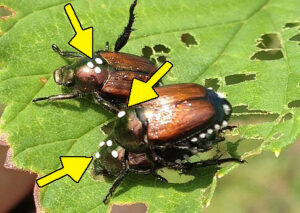
Winsome fly eggs are found on three Japanese beetles, including a mating pair (with a female Japanese beetle shown below the male). One or more eggs are laid on each beetle; eggs are nearly always laid just behind the head. The Winsome fly prefers to lay eggs on female Japanese beetles. / Photo Credit: Jacques Lasnier, Quebec, Bugwood.org
By Bill Hutchison, Department of Entomology
University of Minnesota
Hutch002@umn.edu
The Winsome fly (Istocheta aldrichi (Mesnil)), part of the Tachinidae family, is a parasitoid of the invasive pest Japanese beetle (Popillia japonica).
A parasitoid is an insect whose larvae develop in or within a host insect of a different species, eventually killing it.
The Winsome fly was introduced in 1923 in New Jersey as a biological control agent of the Japanese beetle, six years after the Japanese beetle was accidentally introduced in the United States. Since then, the Winsome fly has become established in the Northeastern states and Quebec and Ontario in Canada.
Continue reading “Winsome Fly Biocontrol Slows Japanese Beetle” →

 *These training opportunities are provided as an information service only and do not constitute an endorsement from the Wisconsin Department of Natural Resources (DNR).
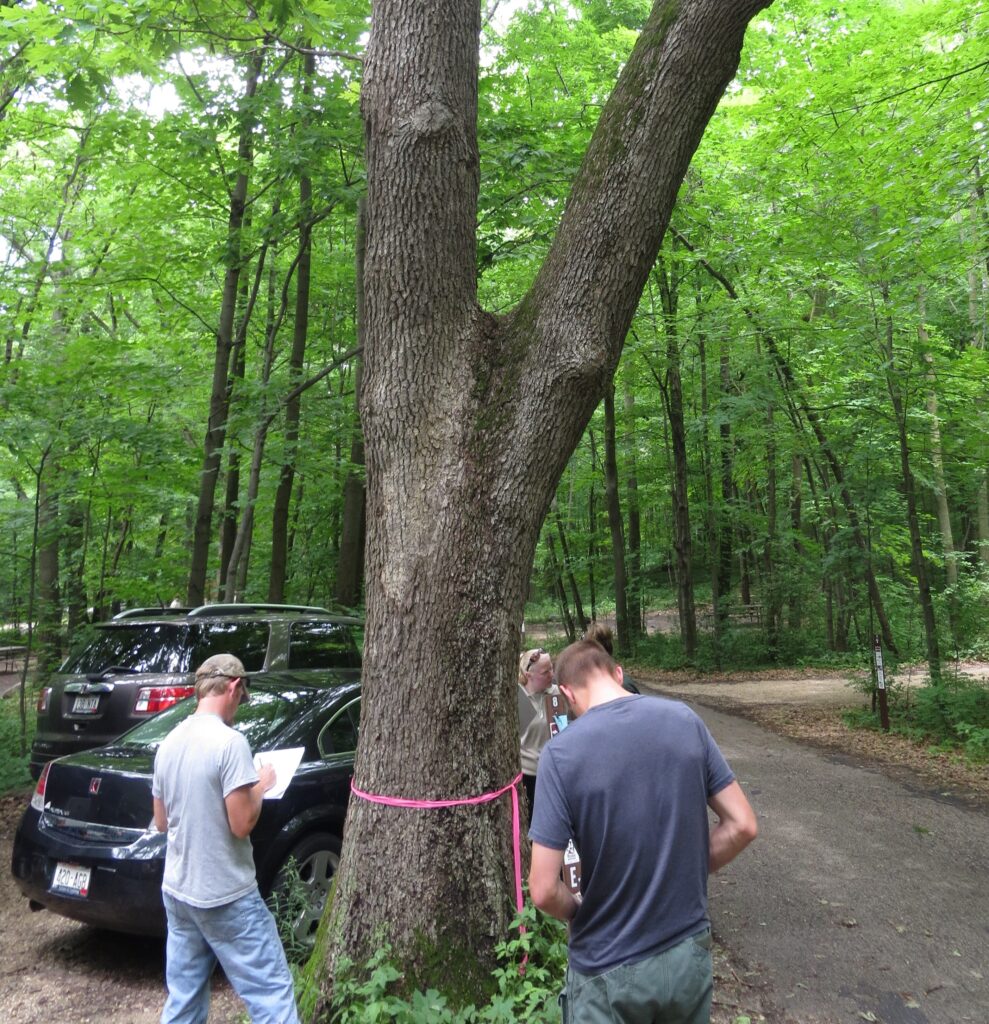 Are you an arborist or urban forester who conducts tree risk assessments?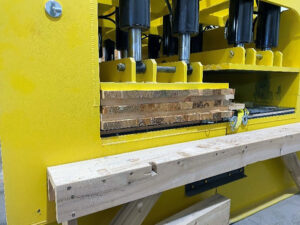
 *These training opportunities are provided as an information service only and do not constitute an endorsement from the Wisconsin Department of Natural Resources (DNR).
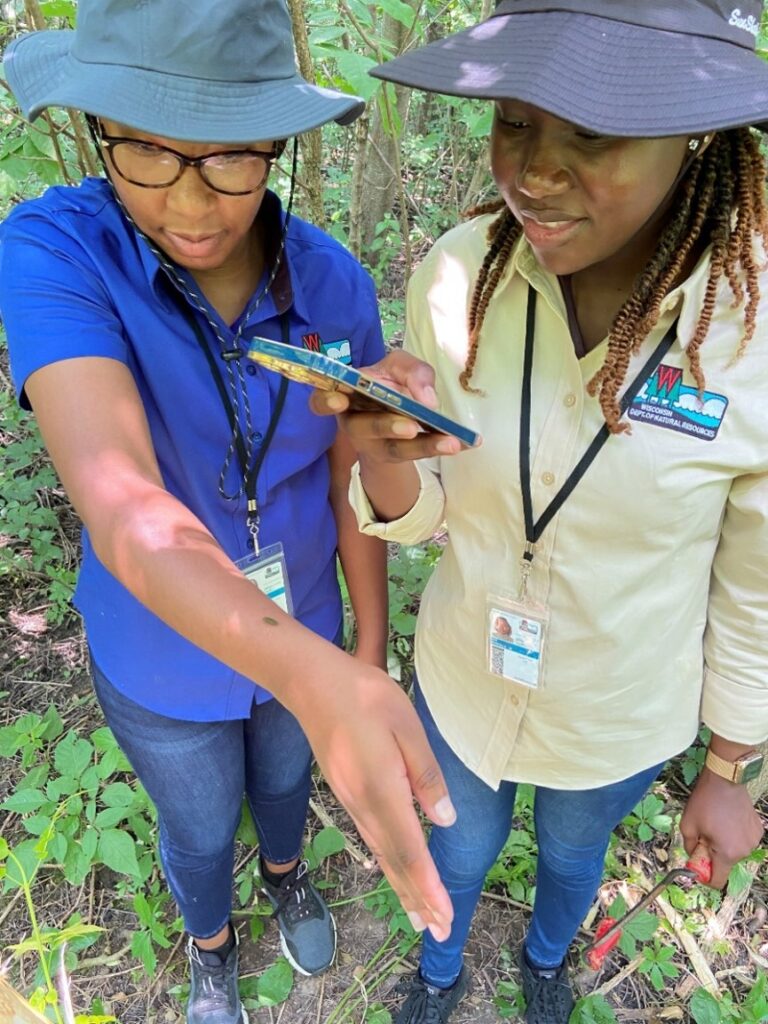 The application period is now open for hundreds of internships with the state of Wisconsin, including two positions with the DNR’s Urban Forestry program!