By Patricia Lindquist, DNR Urban Forestry Communications Specialist, patricia.lindquist@wisconsin.gov, 608-843-6248
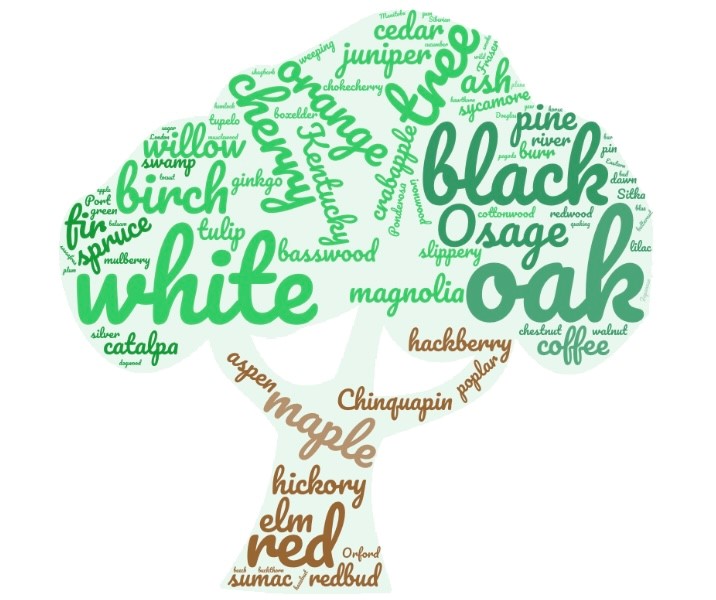 “What kind of tree should I plant?” We are often asked that question as urban foresters. For me, the first thing that comes to mind is, “not a maple!”
Approximately 36% of trees in the Wisconsin Community Tree Map are maples.* Why is this a bad thing? All it takes is a pest like the emerald ash borer (EAB) or a disease like Dutch elm disease that targets maples, and suddenly, one-third of the urban canopy is destroyed.
By planting smaller quantities of many different species, we create a more resilient urban forest less affected by any single threat.
The Wisconsin Department of Natural Resources (DNR) recommends planting no more than 10% of a genus (for example, maples or oaks) and 5% of a species (such as sugar maples or bur oaks). Most Wisconsin communities are far from meeting those targets.
Continue reading “Species Diversity In The Urban Forest: A Short Guide For Homeowners”
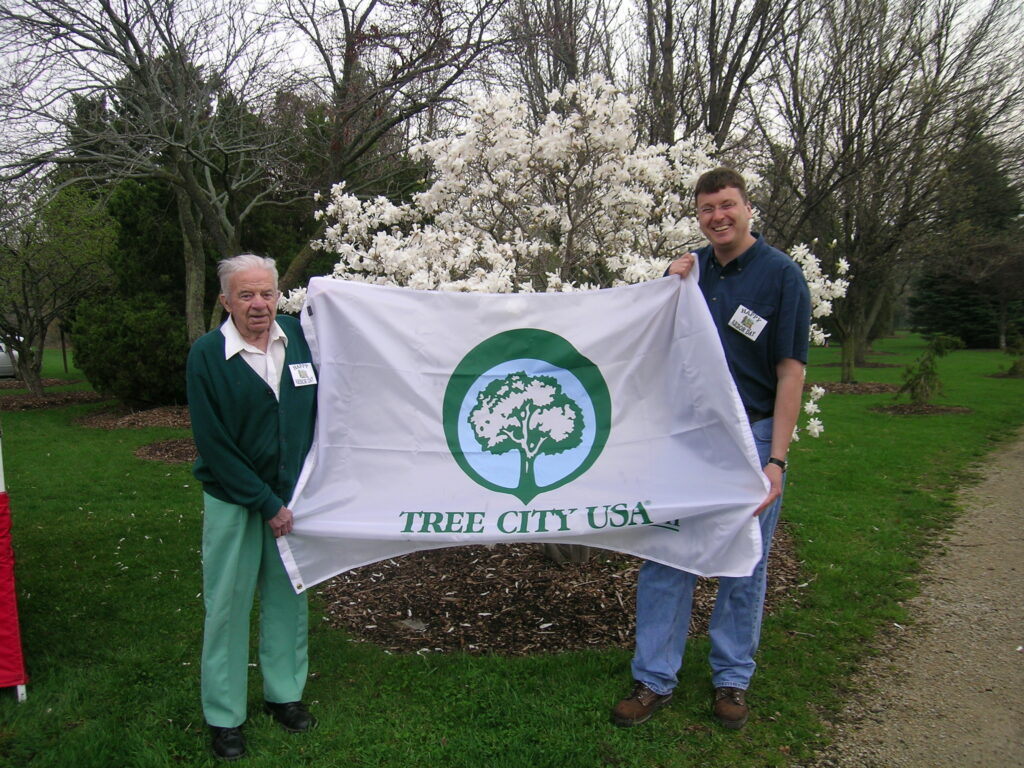 Tree City, Tree Campus and Tree Line USA program participants: please review the Arbor Day Foundation’s following expectations regarding the 2021 program recognition standards.
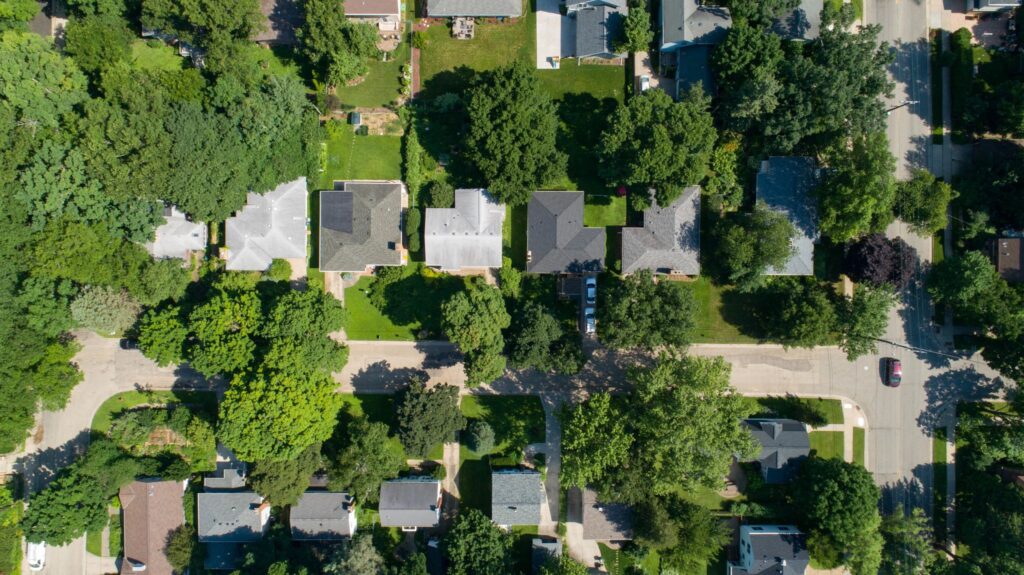 The Wisconsin Urban Forestry Council has announced awards honoring those dedicated to protecting, preserving and increasing the number of trees that line city streets, fill community parks and beautify neighborhoods throughout Wisconsin. The Wisconsin Urban Forestry Council advises the Wisconsin Department of Natural Resources (DNR) Division of Forestry on the management of urban and community forest resources.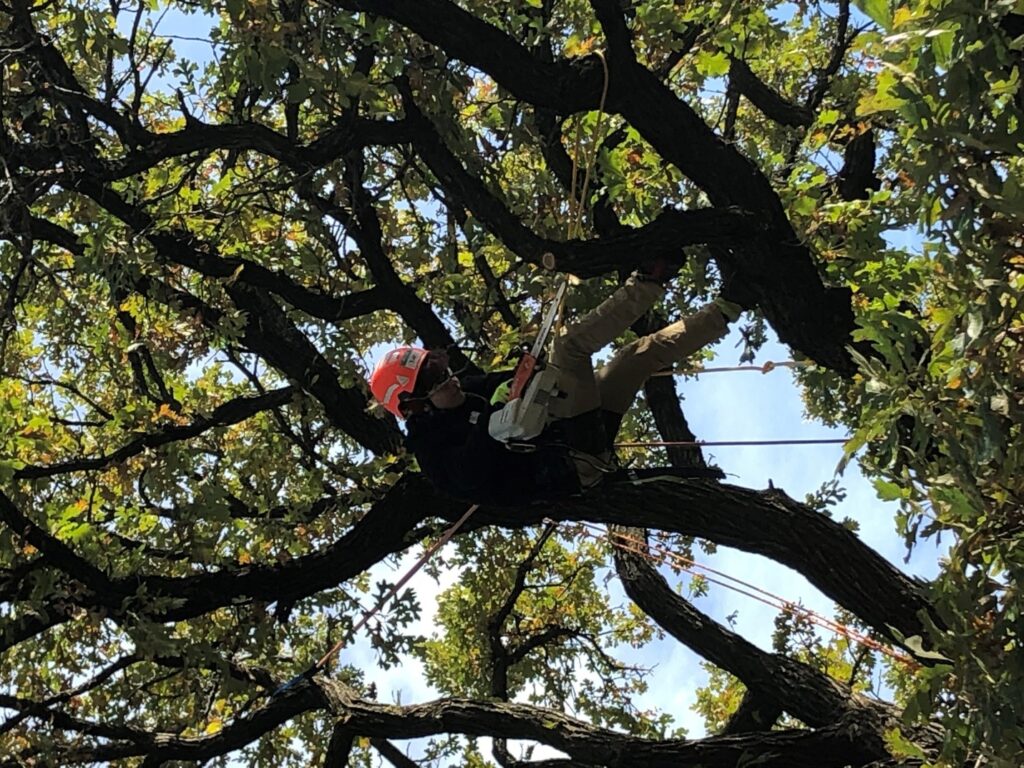
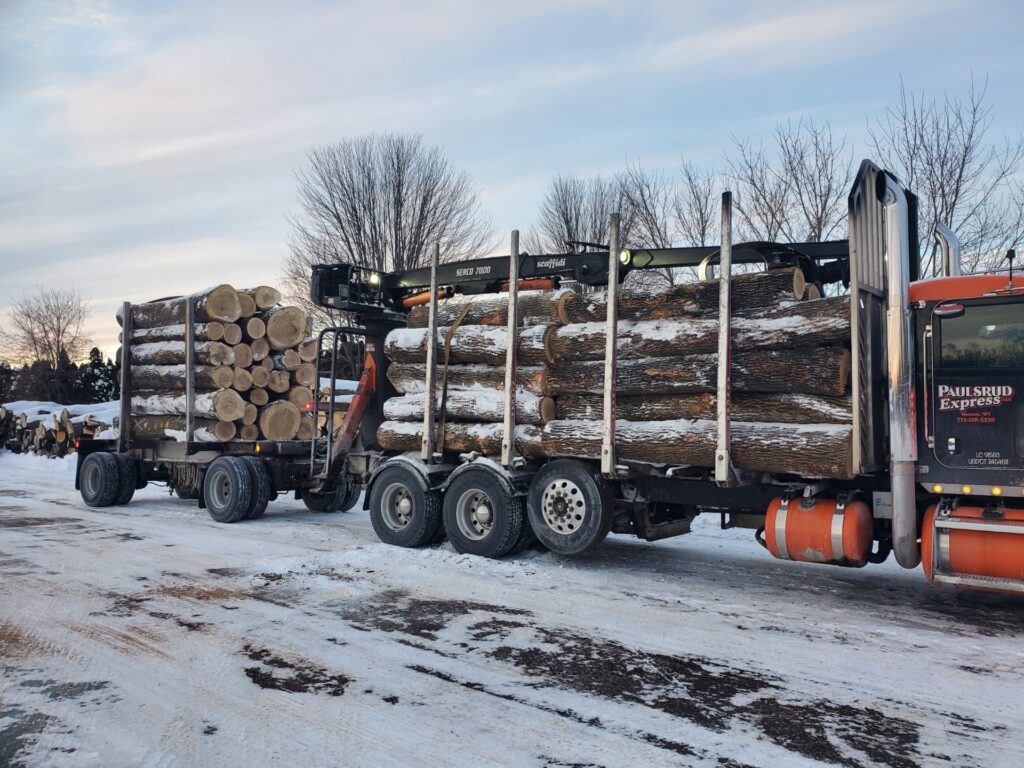
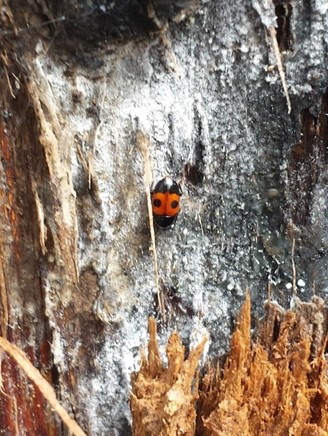
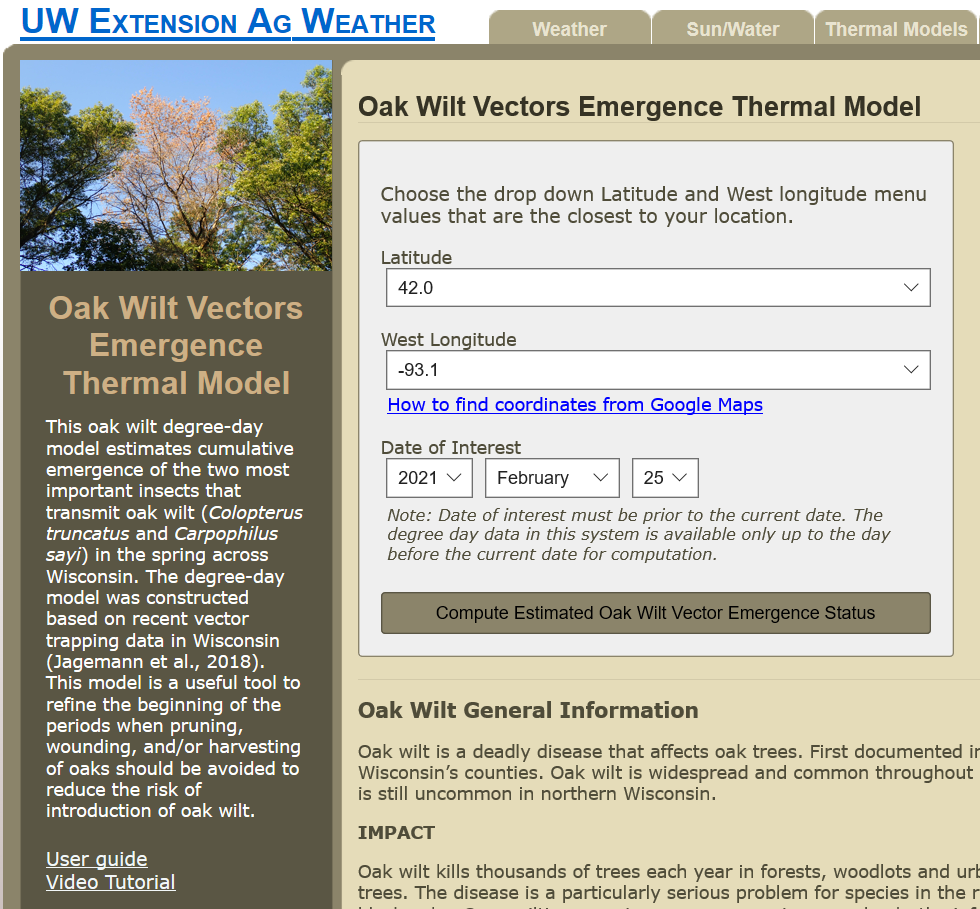 Oak wilt is a serious disease that occurs when insects carrying oak wilt fungal spores land on a healthy oak tree’s fresh wound. To prevent oak wilt infections, it is important to avoid pruning, wounding and harvesting oaks when these insects are abundant, generally April through July.