By Abby Krause, DNR Urban Forestry Coordinator; Abigail.Krause@wisconsin.gov or 608-556-5690
 Tree City USA is an annual recognition program presented by the Arbor Day Foundation that allows communities to publicly demonstrate their continued commitment to the care of their local urban forest. Returning Tree City USA communities are also eligible to apply for Growth Awards. These awards recognize community forestry programs that go above and beyond the four core tenets of Tree City USA.
Wisconsin has consistently proven to be a national leader in the stewardship of the forests outside our front doors all across the state. In 2023, we saw participation from Milwaukee, our state’s most populous city, down to Ephraim, a village of only a few hundred residents. We ranked third nationally in both programs with 194 Tree City USA communities and 26 Growth Awards. Only Ohio and Illinois ranked higher. Continue reading “Tree City USA: Wisconsin Can Take The Lead In Growth Awards Earned With Your Help” →
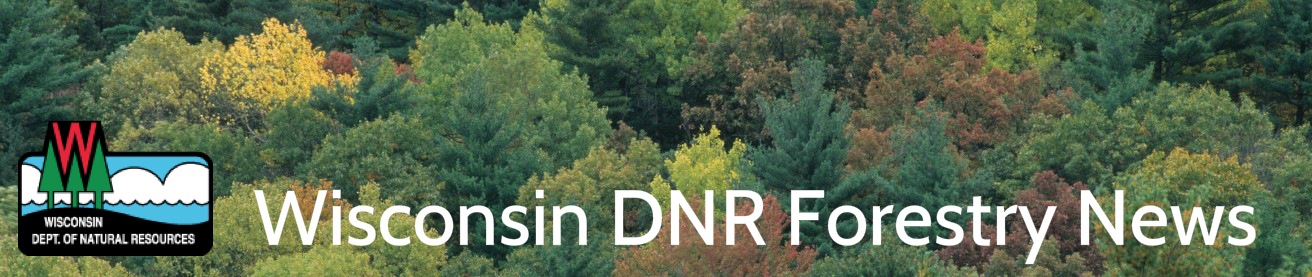
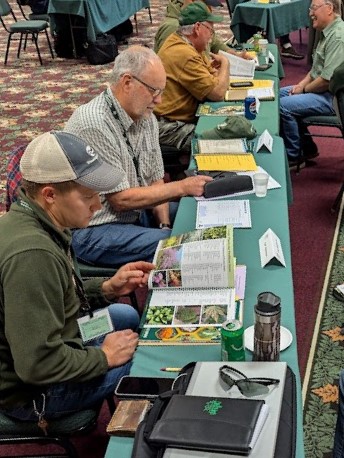 *These training opportunities are provided as an information service only and do not constitute an endorsement from the Wisconsin Department of Natural Resources.
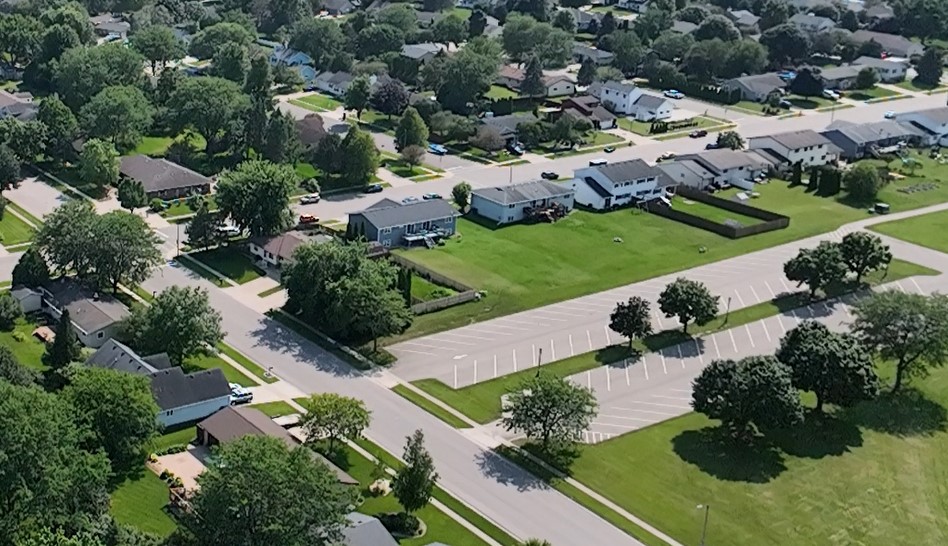 Gov. Tony Evers and the Wisconsin Department of Natural Resources (DNR) today announced the Urban Forestry (UF) Grant Program recipients for the 2025 grant year. In addition to helping fund projects consistent with state and national goals for increasing the urban forest canopy, reducing carbon dioxide and other greenhouse gasses from the atmosphere, and improving the quality of life and public health of communities, the UF Grant Program will help advance goals outlined in Gov. Evers’ Trillion Trees Pledge commitment, which includes planting 1 million trees in urban areas by the end of 2030.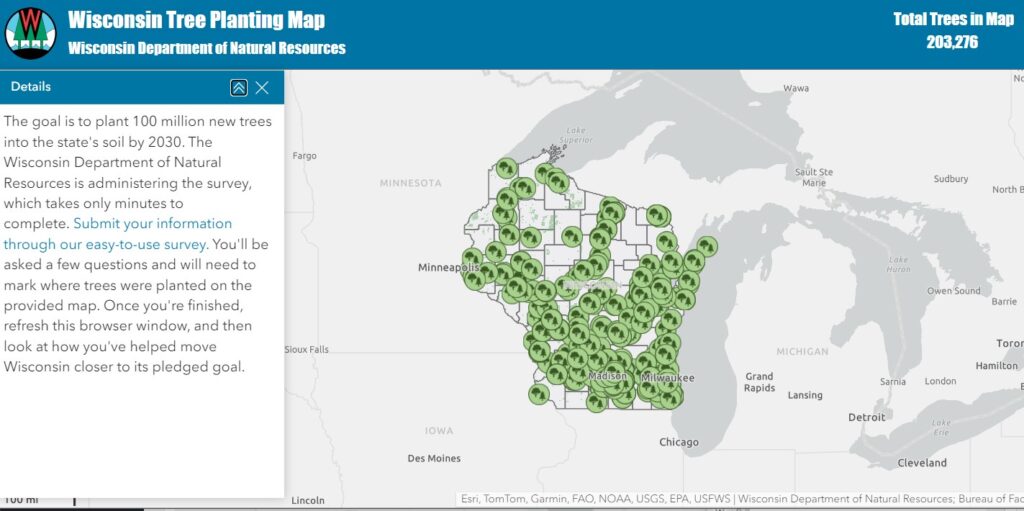
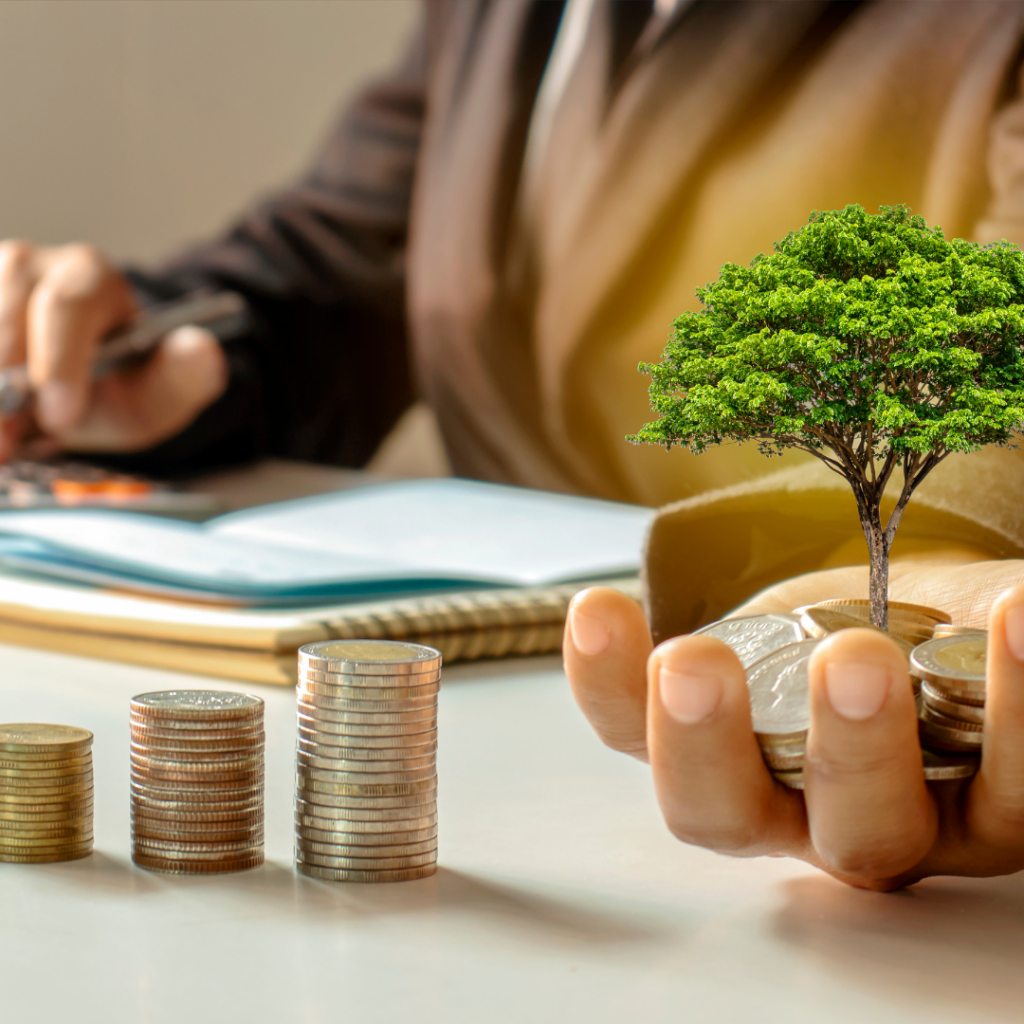 Five Star And Urban Waters Restoration Grants Due Jan. 30, 2025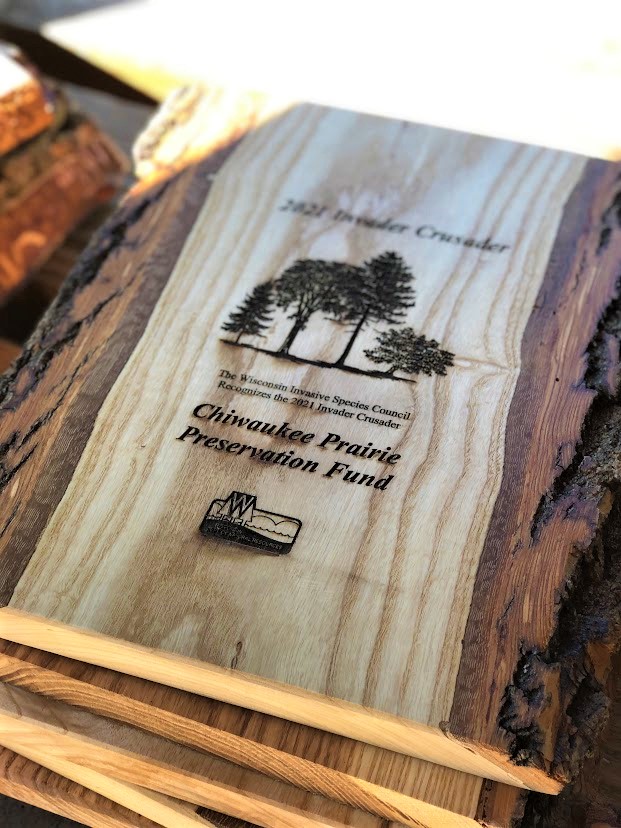
 *These training opportunities are provided as an information service only and do not constitute an endorsement from the Wisconsin Department of Natural Resources (DNR).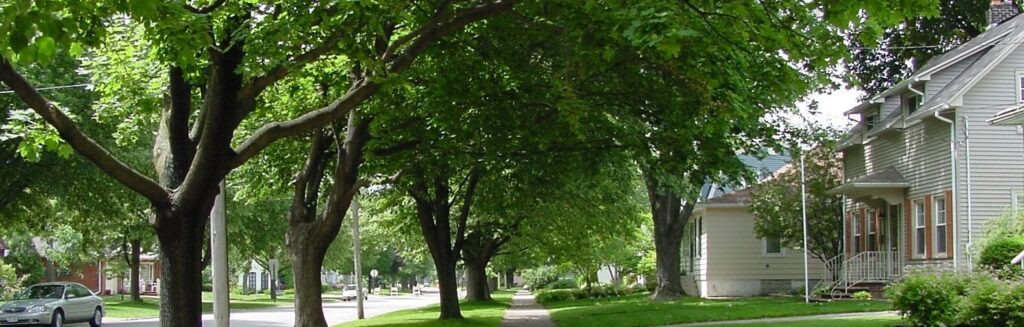
 The Urban Forest Improvement Program, funded by the Inflation Reduction Act and the USDA Forest Service’s Urban and Community Forestry Program, provides grants to help organizations benchmark their urban or community forests against the Sustainable Forestry Initiative (SFI) Urban and Community Forest Sustainability Standard.