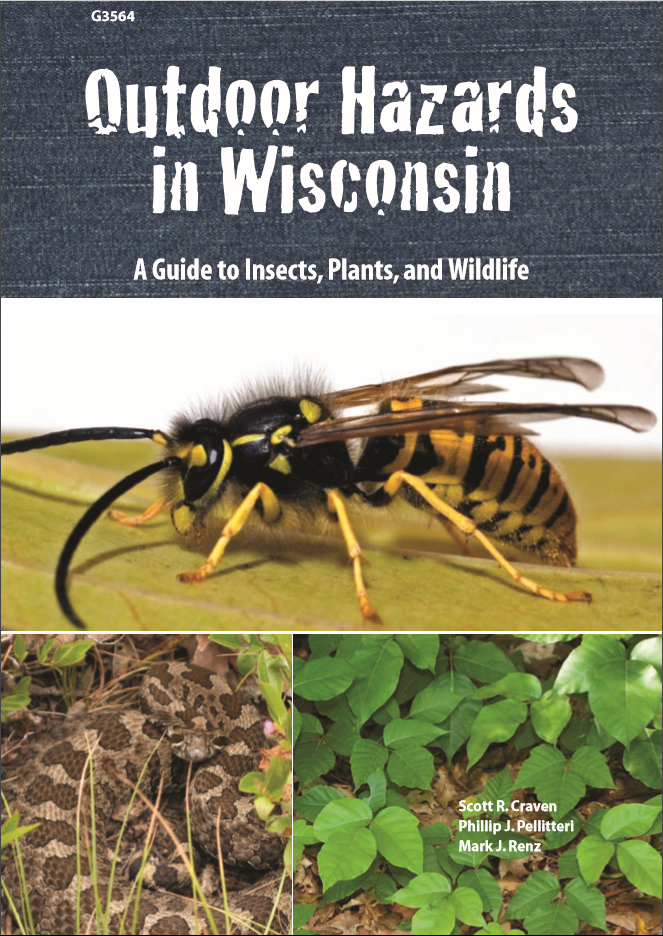
 Have you ever walked through a patch of poison ivy or brushed up against wild parsnip? If so, you probably learned an uncomfortable lesson about encountering harmful plants. Luckily, there is a less painful way to learn about dangerous vegetation hidden among Wisconsin’s natural beauty. Now is the time to brush up on hazards you may encounter while working or recreating outdoors.
Outdoor Hazards in Wisconsin, a guide published by the University of Wisconsin-Madison Division of Extension, will help you recognize, avoid and handle potential problems caused by wildlife, insects and plants. Continue reading “Watch Out!”
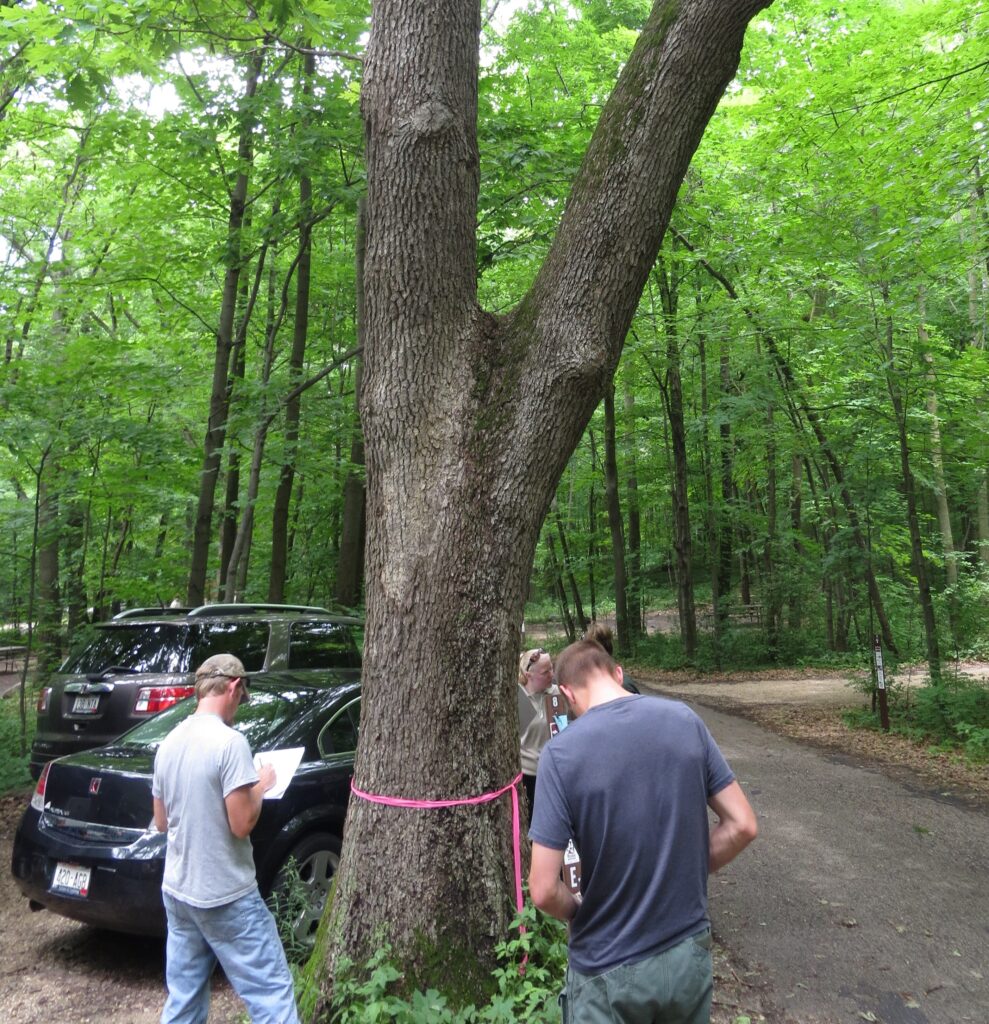 Are you an arborist or urban forester who conducts tree risk assessments?
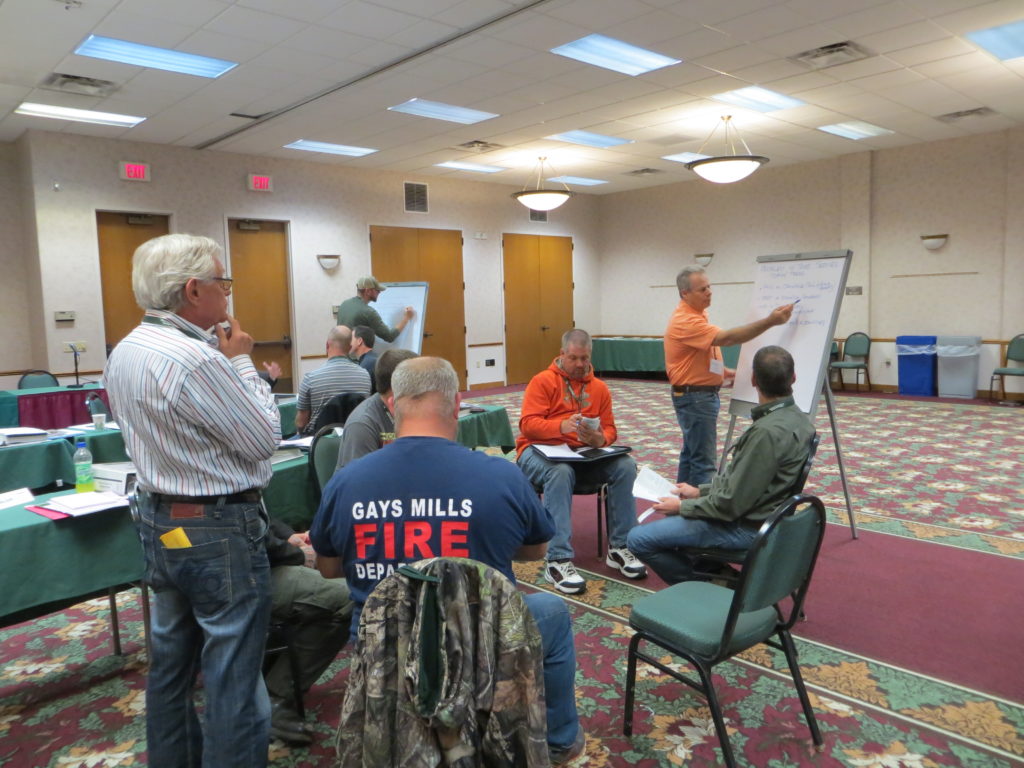 Are you a forestry expert interested in working with the Wisconsin Department of Natural Resources (DNR), forest industry professionals and natural resource leaders to ensure sustainable management practices of Wisconsin’s forest resources?
 Partners in Community Forestry Conference: Nov. 19-20, 2025
 WAA Summer Conference: July 31, 2025
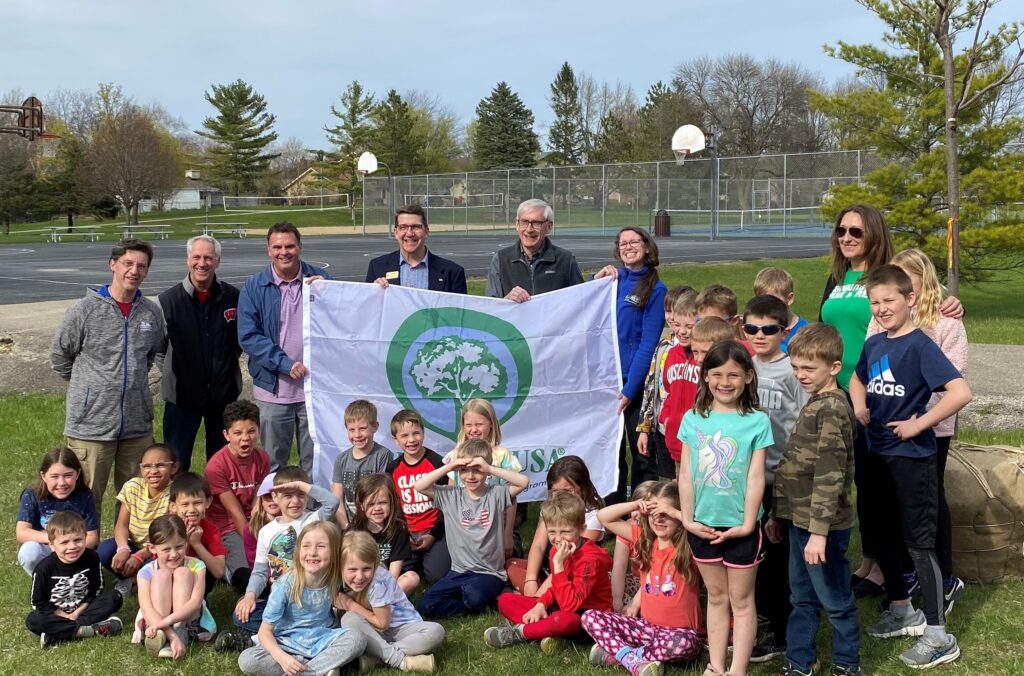 Arbor Day’s roots began in the late 1800s in Nebraska where, according to the Arbor Day Foundation, residents of Nebraska City felt a lack of trees in their community. The secretary of the Nebraska Territory at the time, J. Sterling Morton, proposed a statewide tree-planting holiday, and on April 10, 1872, the first Arbor Day was celebrated.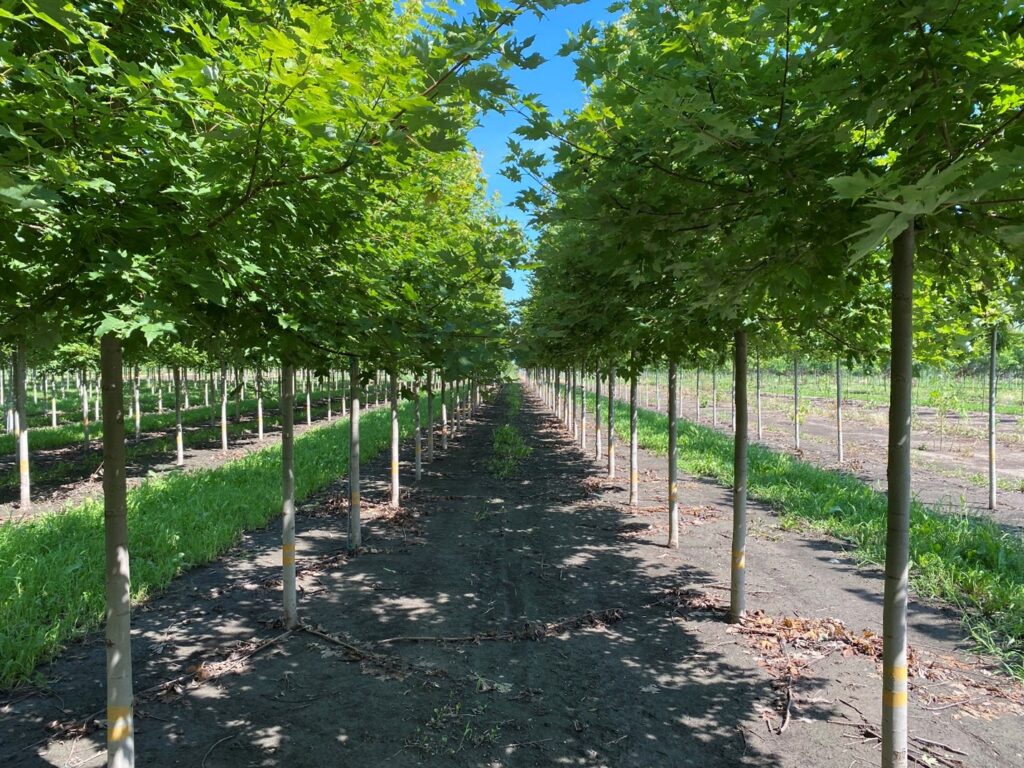
 For the last few years, our urban forestry team has been writing social media posts for Wisconsin communities to post during Arbor Week. We encourage you to use social media to celebrate the many benefits of trees and inform the public about the importance of tree care.
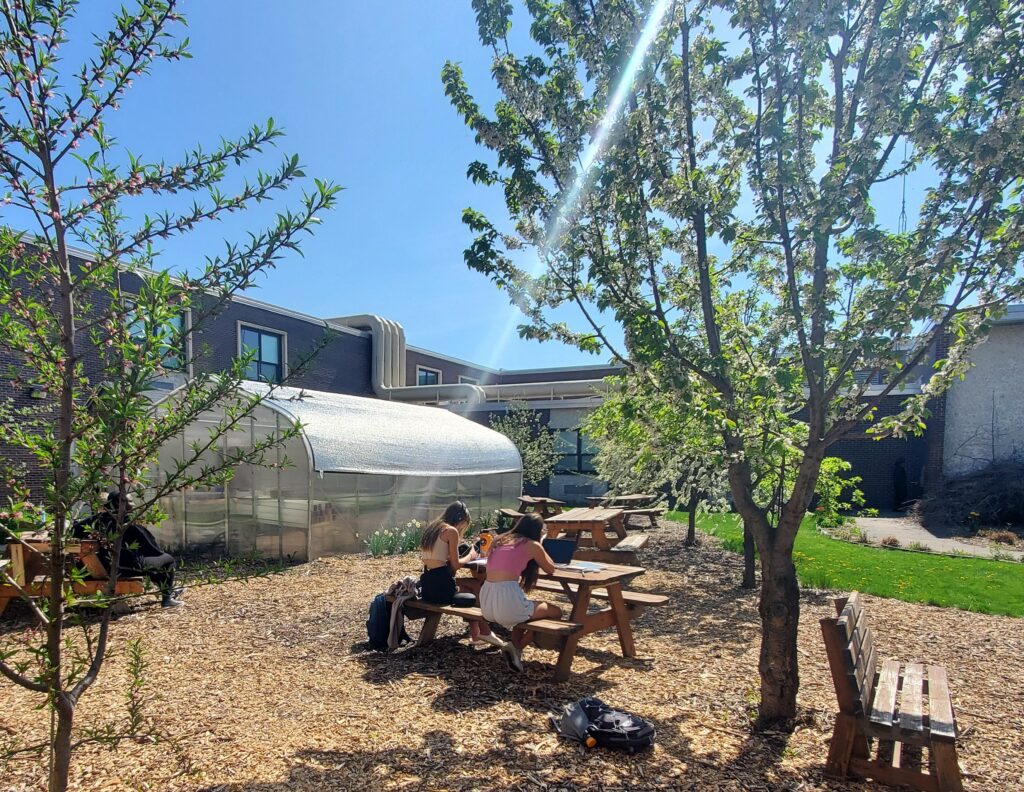 Schools that connect students to nature and trees can register as a Tree Campus K-12 site. This Arbor Day Foundation program recognizes schools that inspire the next generation through experiences with nature inside and outside of the classroom. Schools need to meet four program goals to qualify.
  *These training opportunities are provided as an information service only and do not constitute an endorsement from the Wisconsin Department of Natural Resources (DNR).