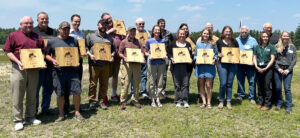
Winners of the 2025 Invasive Species Action Awards, given by the Wisconsin Department of Natural Resources. / Photo Credit: Wisconsin DNR
By Wisconsin DNR
The Wisconsin Department of Natural Resources (DNR) has announced that the Wisconsin Invasive Species Council will accept nominations for the 22nd annual Invasive Species Action Awards through Feb. 15, 2026.
Award recipients are Wisconsin residents and organizations who have made significant contributions to prevent, control or eradicate invasive species that harm Wisconsin’s native forests, wildlife, wetlands, prairies, lakes and rivers.
Continue reading “Invasive Species Action Awards Nominations Open”
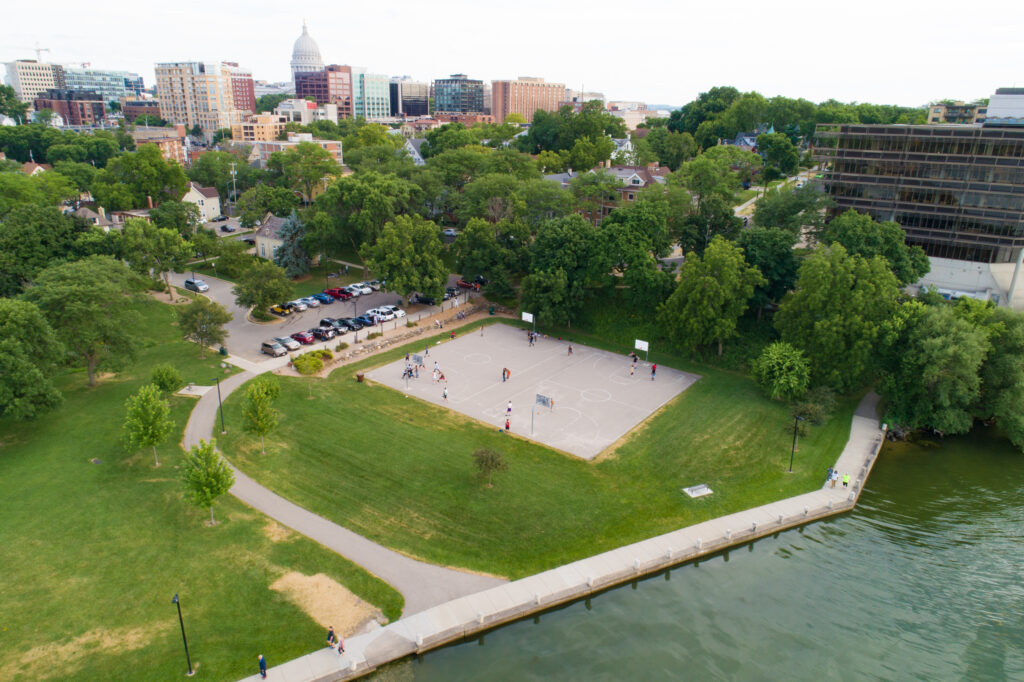 The Wisconsin Department of Natural Resources (DNR) today announced Urban Forestry Grant Program recipients for the 2026 grant year. The program helps fund projects consistent with state and national goals for increasing the urban forest canopy.
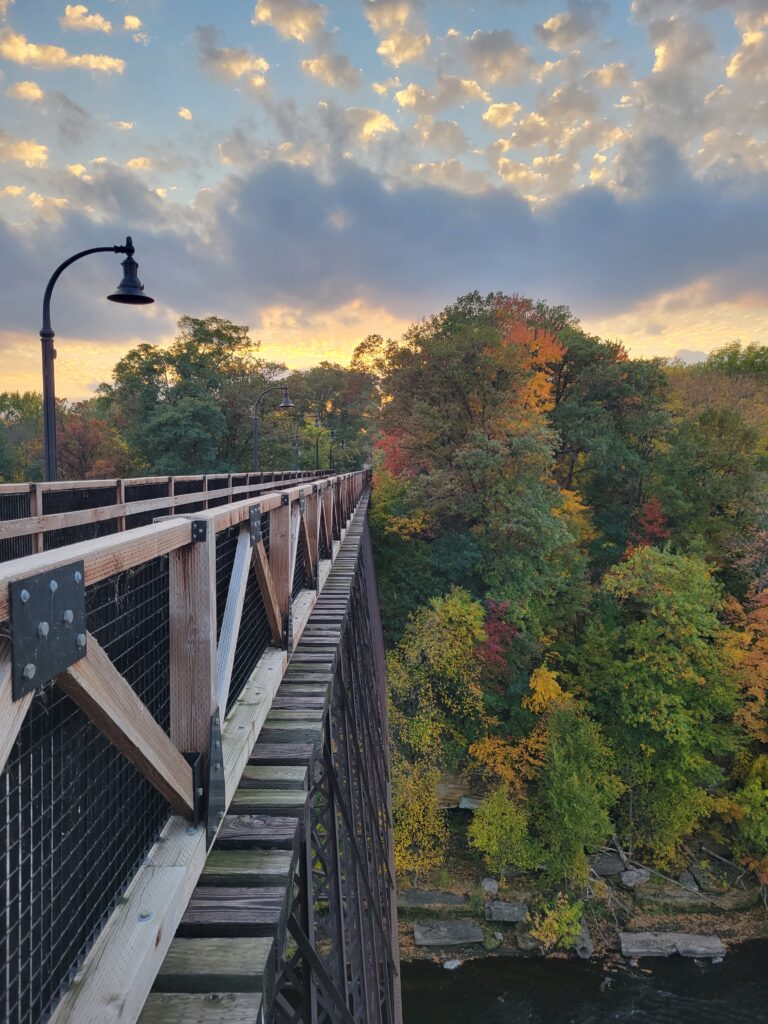 Trees are good. For those who hold trees in high esteem, this simple statement feels as much a universal truth as the sky being blue or the sun rising in the east. It can feel unfathomable that anyone might hold a contrasting opinion.
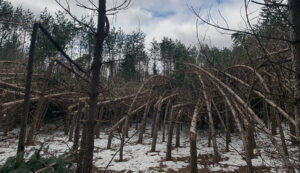
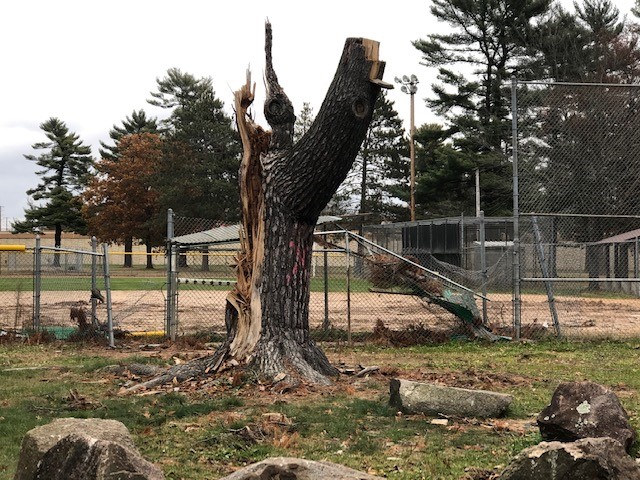 The Wisconsin Department of Natural Resources (DNR) has announced the recipients of the Urban Forestry Catastrophic Storm Grants to assist with damage sustained during severe storms that took place Aug. 9, 2025. Catastrophic storm grants range from $4,000 to $50,000 and do not require a dollar-for-dollar match. Grant funding was distributed among the following three communities: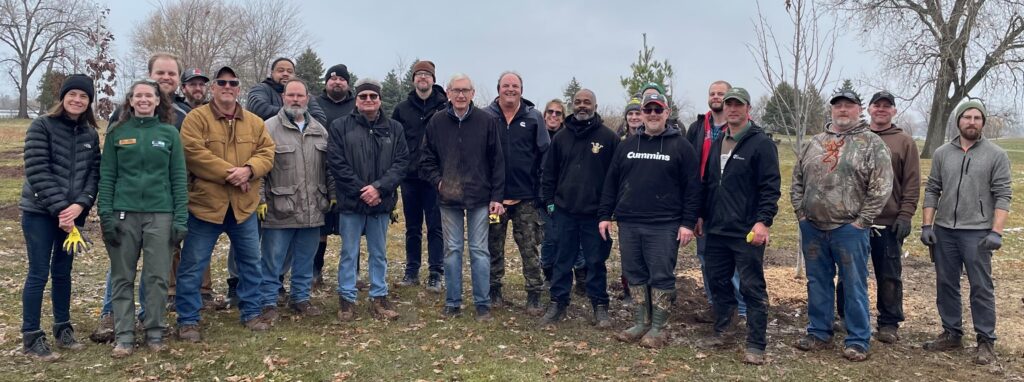
 Join the Wisconsin Department of Natural Resources (DNR) and the Wisconsin Arborist Association (WAA) for the 2026 Wisconsin Annual Urban Forestry Conference. The conference will be held from Feb. 15 to 17 at the KI Convention Center in Green Bay.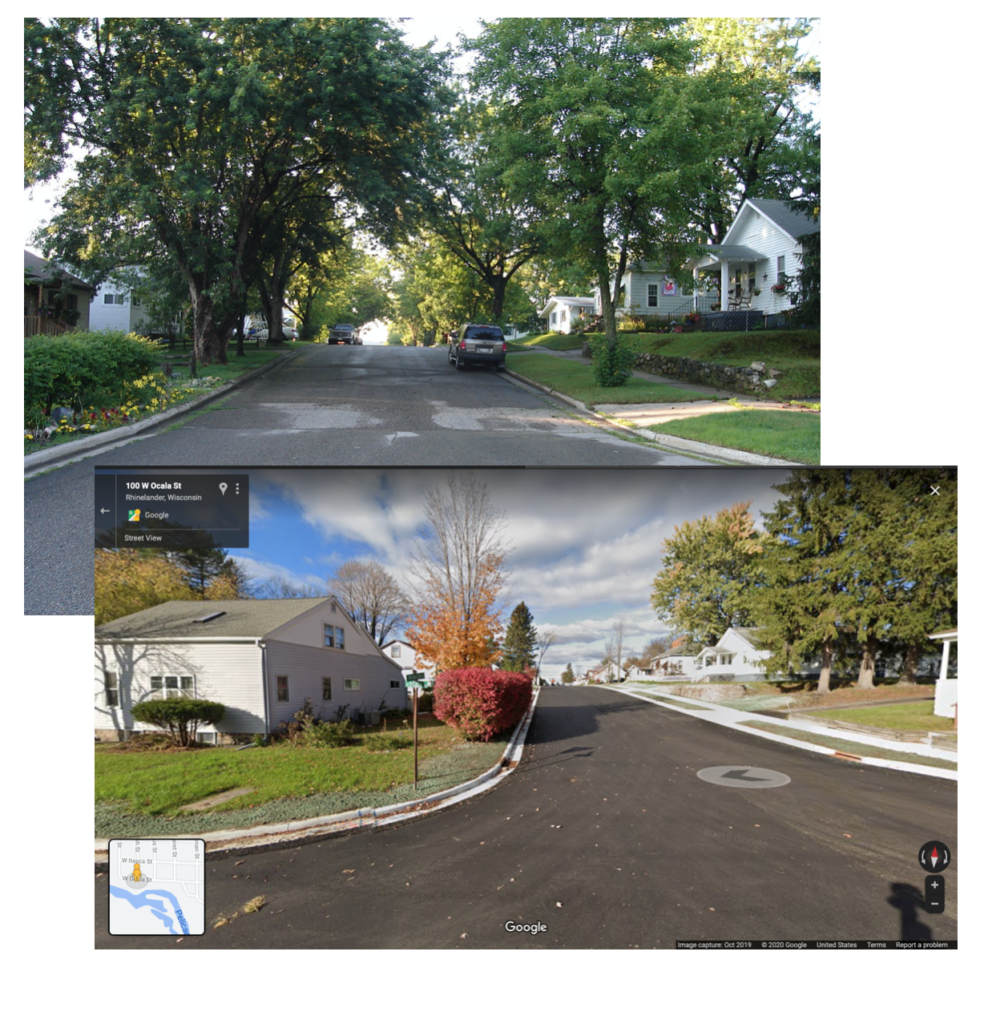
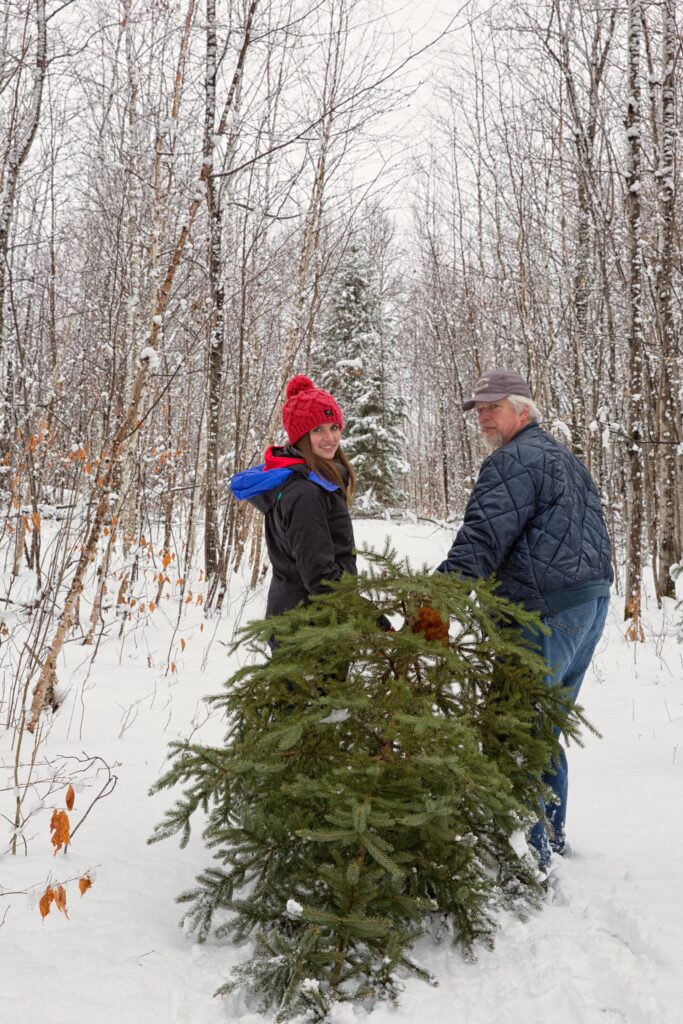 To say that working on a Christmas tree farm in high school led me into forestry would be a case of significant historical revisionism. Still, that experience swam in the same waters as reading Lord of the Rings, going on family vacations to the mountains, having a nearby municipal forest and other things that showed me that trees were the way.
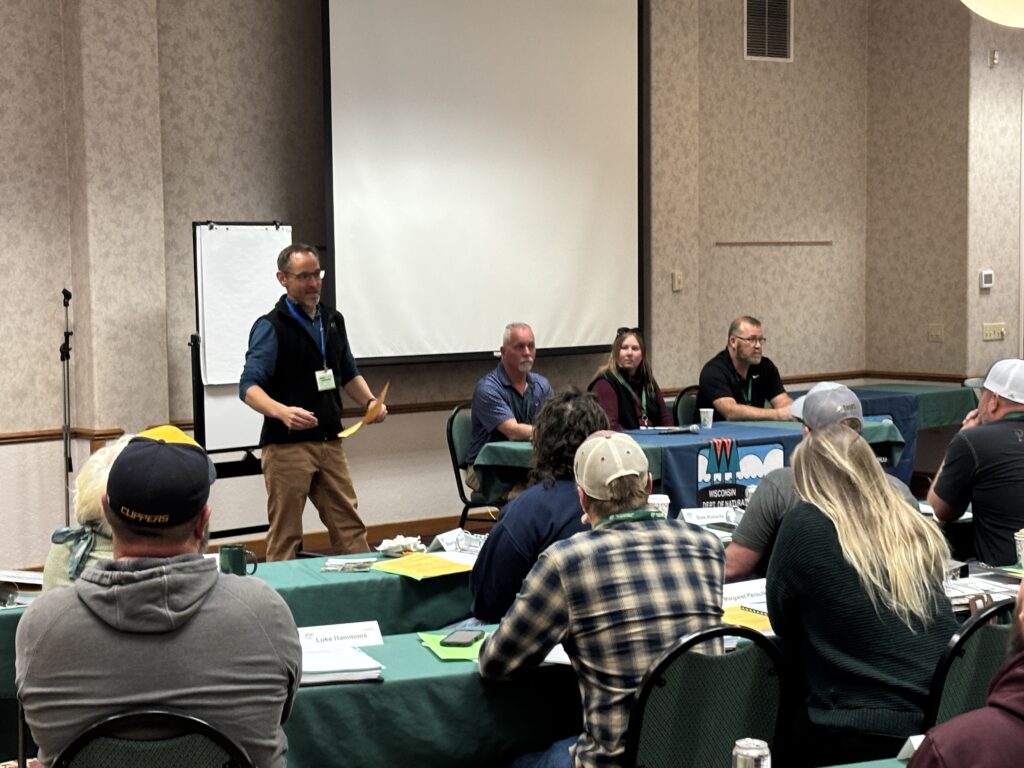 *These training opportunities are provided as an information service only and do not constitute an endorsement from the Wisconsin Department of Natural Resources (DNR).