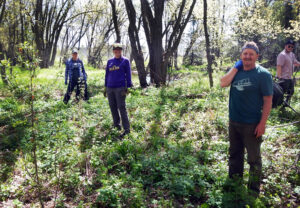
Volunteers at a garlic mustard-pulling event on the Montreal River in Iron County, part of a control project planned by a previous WMA-PFGP recipient. / Photo Credit: Ramona Shackleford, Northwoods Cooperative Weed Management Area
By Wisconsin DNR
The April 1 application deadline for Weed Management Area-Private Forest Grant Program (WMA-PFGP) grants is coming up. There is still time to apply for funding to help you control invasive plants on your forested land in 2025.
Controlling invasive plants on your forested property can be a challenging and costly endeavor. WMA-PFGP grants help to make this process a little easier for its recipients.
Continue reading “Weed Management Area Grant Deadline Approaching”
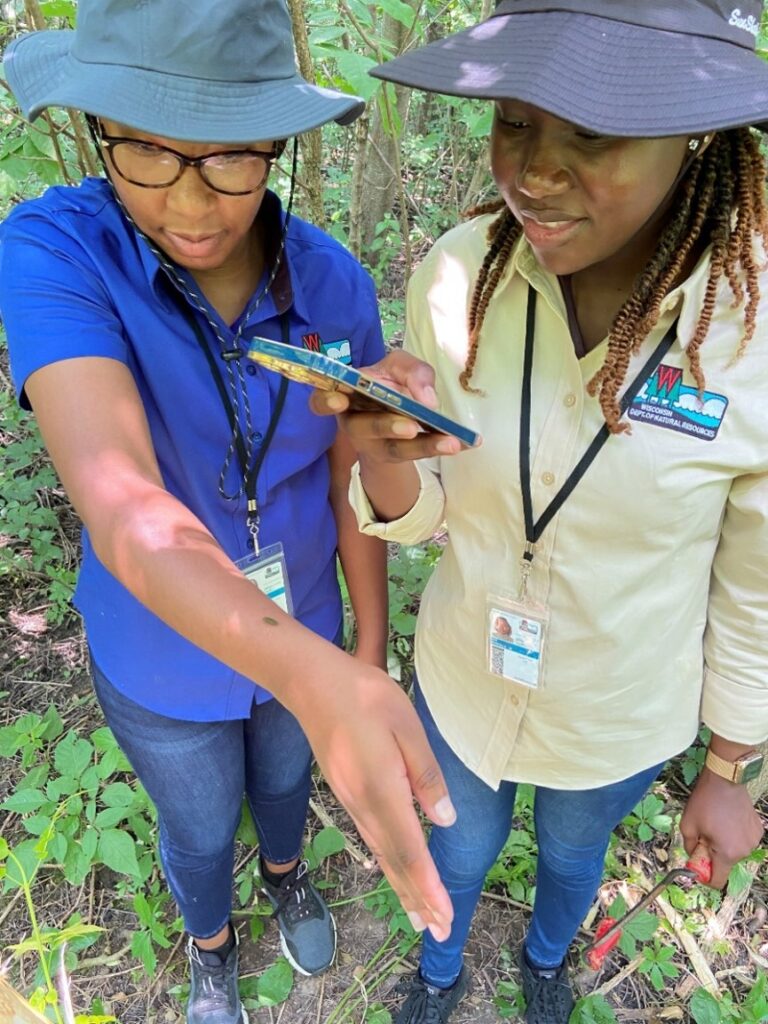 The application period is now open for hundreds of internships with the state of Wisconsin, including two positions with the DNR’s Urban Forestry program!
 What: 60+ Years of Enhancing the Urban Forests in Wisconsin
 The International Society of Arboriculture (ISA) Certified Arborist Municipal Specialist® credential will now be called
 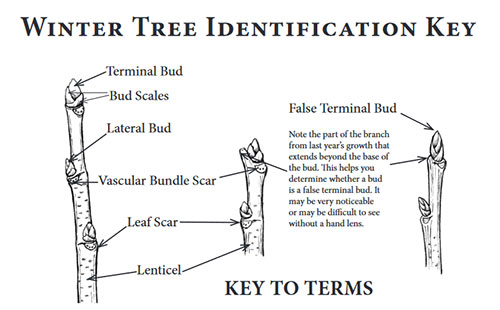 How do you learn to identify trees in the middle of a Wisconsin winter when most of the leaves are on the ground?
 The Great Lake Thriving Communities Grantmaking Partnership will distribute $40 million to organizations working in and for underserved communities throughout the Great Lakes region. All grants will be given to environmental and public health efforts in underserved communities across Region 5 as defined by EPA.