Article By: Jaqi Christopher, Invasive plant specialist & Mary Bartkowiak, Invasive plant coordinator
Just as the leaves begin to shift from summer green to the fall shades of gold, orange, red and bronze, the fruits of Oriental bittersweet explode on the scene with their very own show-stopping colors of bright gold and red.
The sight of these vines full of colorful berries may tempt the casual observer to take these berry-filled branches home to use as fall decorations or to plant in their own garden. This, however, would be a mistake, as this striking plant is a serious threat to native ecosystems. Oriental bittersweet is a restricted species under Wisconsin’s Invasive Species Rule NR40. This makes it illegal to transport, transfer or introduce Oriental bittersweet statewide.
Oriental bittersweet is an aggressive-growing woody vine that invades forests, woodlands, fields and hedgerows. The vines twine up trees, smother the crown and girdle trunks with their thick woody stems. In fact, the sheer weight of the vine can cause tree crowns to break and collapse and whole trees to uproot. Additionally, large mats of bittersweet can shade out native plants.
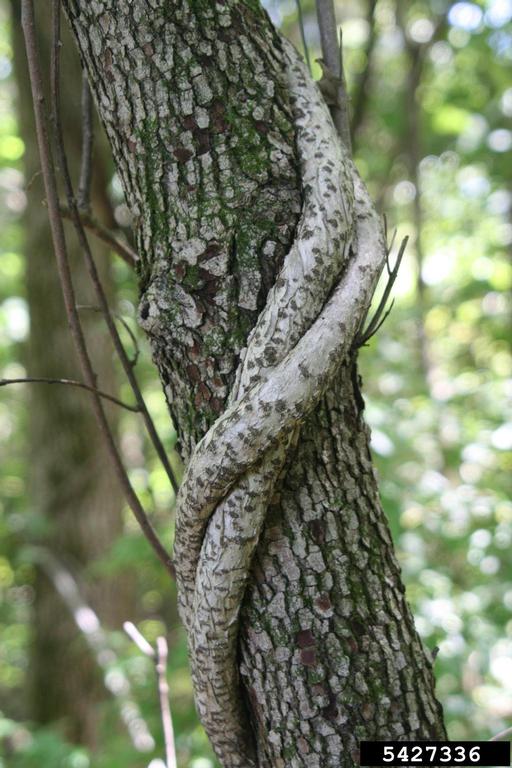
Oriental bittersweet vine girdles tree trunks. Photo Credit: Minnesota Department of Agriculture
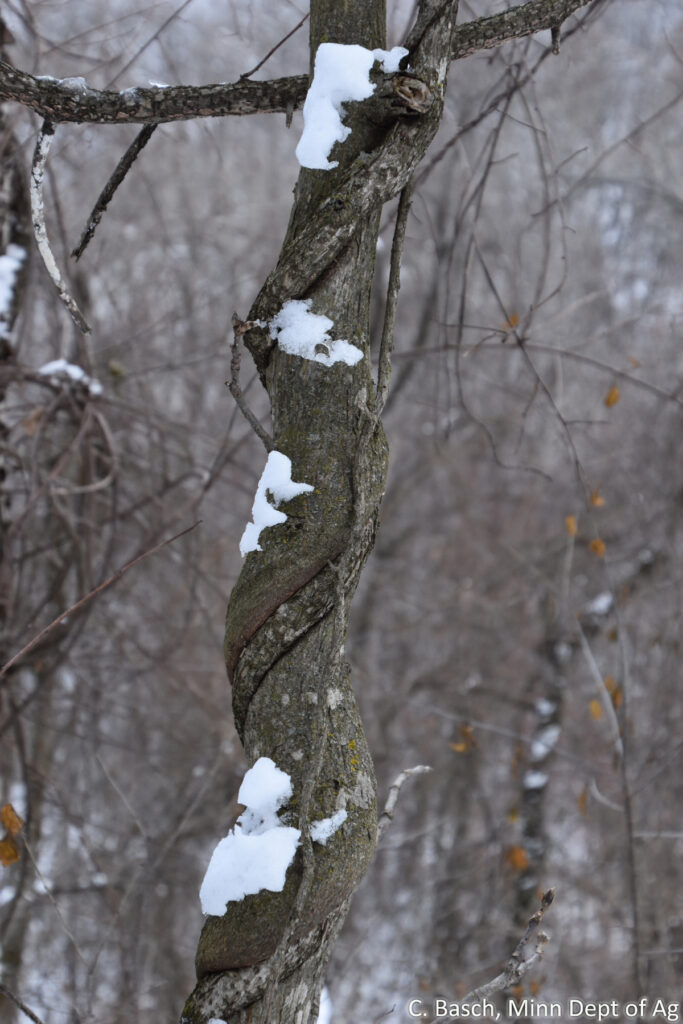
Oriental bittersweet vine girdles tree trunks. Photo Credit: University of Illinois’ Chris Evans
Continue reading “Oriental Bittersweet: A Bitter Beauty!” →
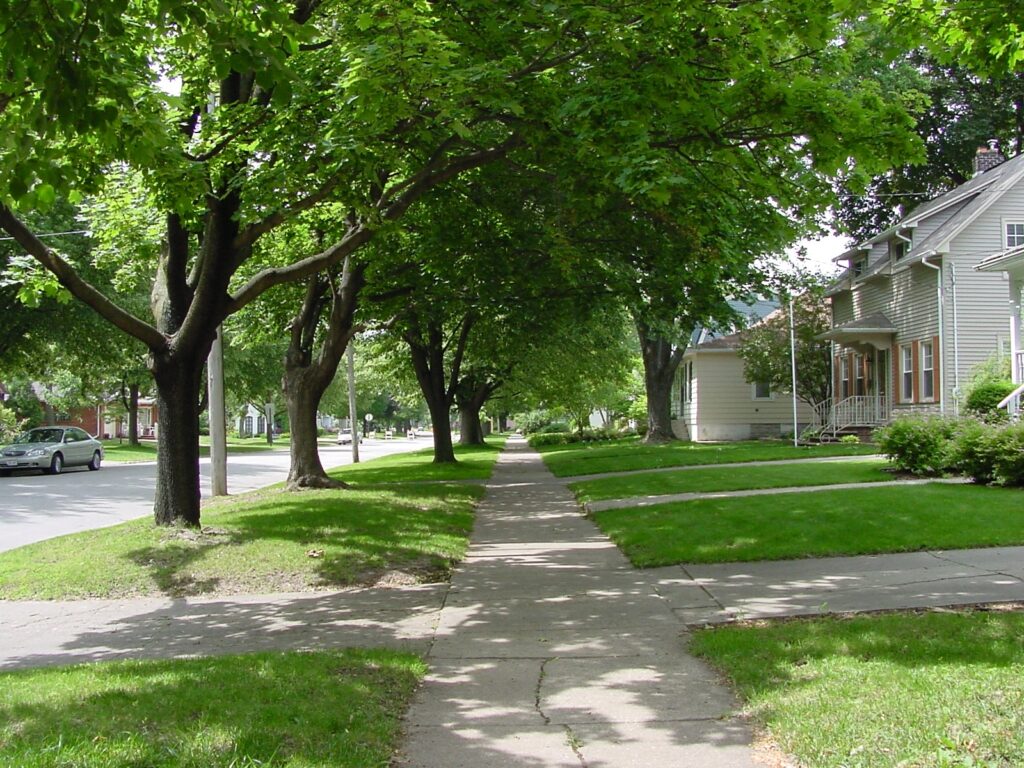 Cities, villages, towns, counties, tribes and 501(c)(3) nonprofit organizations in or conducting their project in Wisconsin are encouraged to apply for a regular or startup 2022 Department of Natural Resources Urban Forestry Grant! The grants range from $1,000 to $25,000, and grant recipients must match each grant dollar for dollar. A startup grant of up to $5,000 is available for communities that want to start or restart a community forestry program. Grants are awarded to projects that align with state and national goals for increasing the urban forest canopy and the benefits it provides.
 The Wisconsin Arborist Association (WAA) will host this year’s Fall Seminar in-person and virtually.
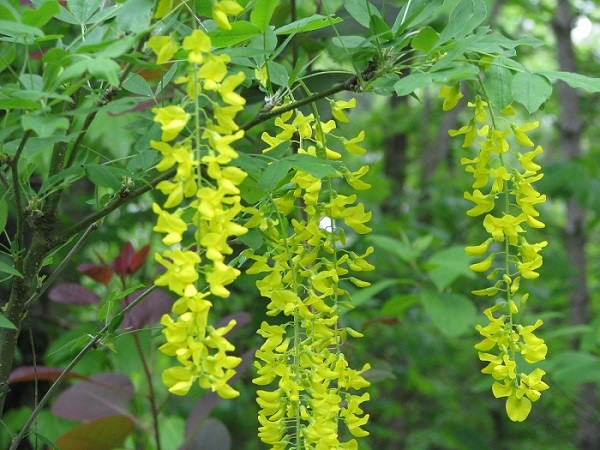 Created and administered by the Morton Arboretum in Chicago, the ArbNet Arboretum Accreditation Program is the only international accreditation program specific to arboreta. It fosters professionalism and collaboration and recognizes arboreta at various levels of development.
 Sponsored by the Arbor Day Foundation, the Partners in Community Forestry conference will be held in-person in Louisville, Kentucky on Nov. 17 and 18. This conference is the largest international gathering of urban forestry practitioners, advocates, researchers and government leaders. Bring your skills, your hunger for knowledge and your passion for community forestry as you mingle with like-minded professionals; the thinkers, doers, and thought leaders in community forestry. CEUs will be available.