
By Jeff Roe, DNR Urban Forestry Team Leader, Madison, jeffrey.roe@wisconsin.gov, 608-535-7582
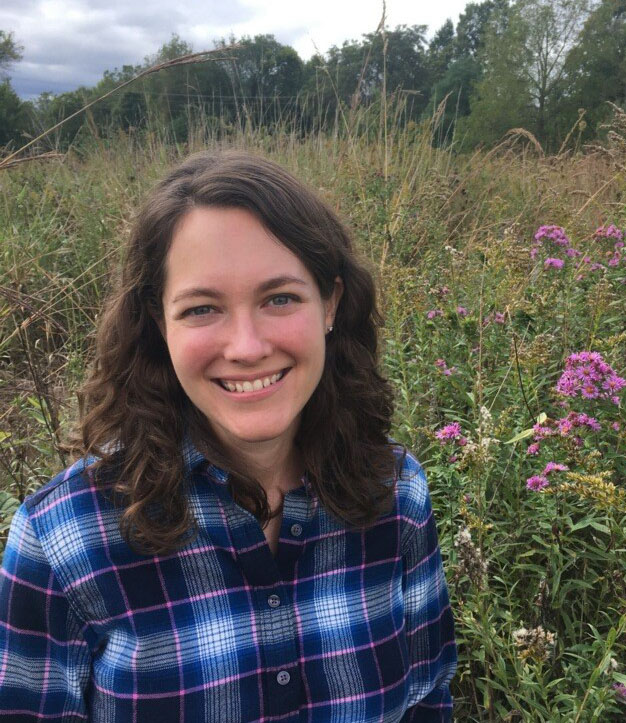 I am very pleased to announce that Patricia Lindquist has accepted the North Central Regional Urban Forestry Coordinator position. Patricia’s first day was Nov. 8, and she is based in Wausau. She is very excited to be continuing her career at the DNR and taking on new challenges.
Patricia has worked as our Urban Forestry Communications, Education and Outreach Specialist for the past two years. Prior to that, she spent six years working in urban forestry at two Madison-area nonprofits, Community GroundWorks and Urban Tree Alliance. She has a bachelor’s degree in landscape architecture from UW-Madison.
 Don Kissinger, Urban Forestry Coordinator for the north-central region, is retiring after nearly 29 years at the Wisconsin Department of Natural Resources (DNR). His last day in the office was May 21, 2021.
 The Wisconsin Department of Natural Resources’ Forest Health team recently completed the 2020 Forest Health Annual Report. The report summarizes impacts from pests, diseases and weather on the health of Wisconsin’s forests. Highlights from 2020 include:
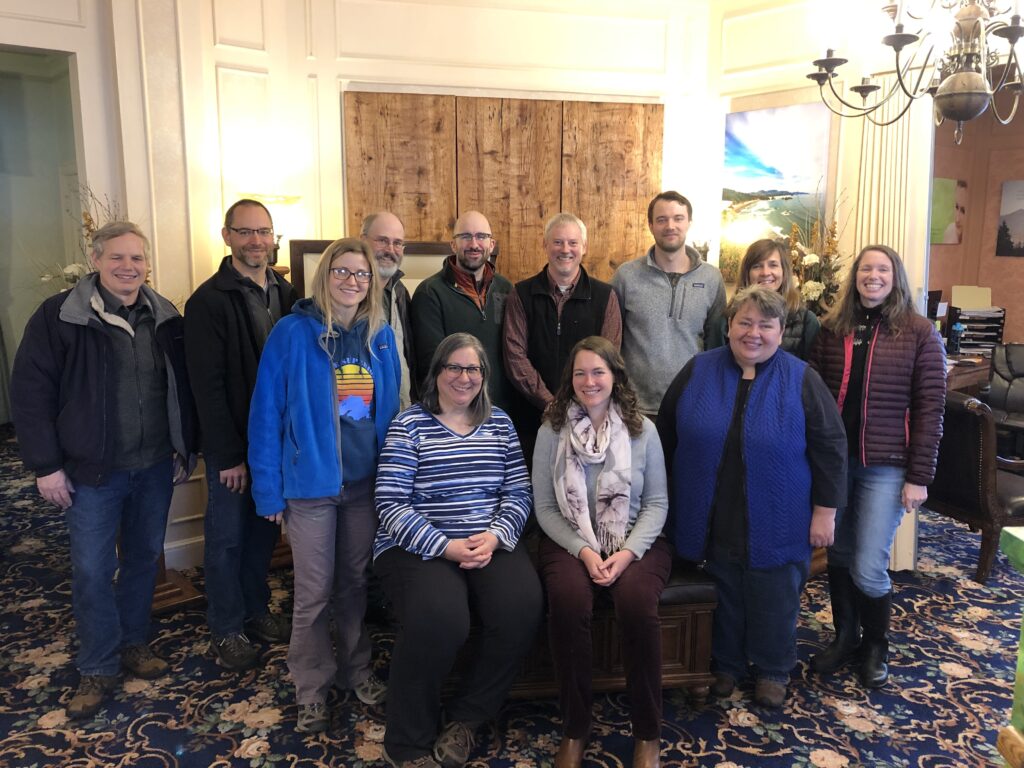 Wisconsin’s urban forests provide a wide range of ecological, economic and social benefits. Urban areas contain nearly 27 million trees with an estimated total replacement value of almost $11 billion. Many don’t realize all the services urban forests provide. They reduce air pollution, mitigate storm water runoff, conserve energy, provide wildlife habitat, increase property values, and attract businesses, tourists and residents. They even improve public health and well-being. The Wisconsin DNR’s Urban Forestry Team seeks to maximize these benefits derived from our state’s community tree canopies.
 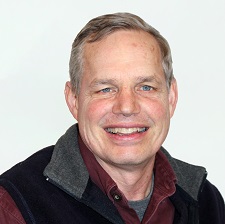 After a long and fruitful career with the Wisconsin DNR, Brad Johnson’s last day in the office was September 4, 2020. He started his DNR career as an integrated forestry team leader for Douglas County from 1993 to 2002 and transferred to the same position for Barron and Washburn County from 2002-2017. Since 2017, he has served as an Urban and Community Forestry Coordinator covering 19 counties along the west side of the state from the Spooner Ranger Station.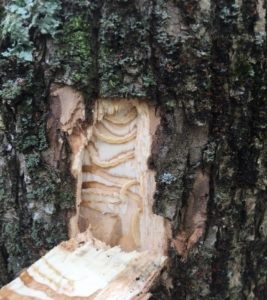
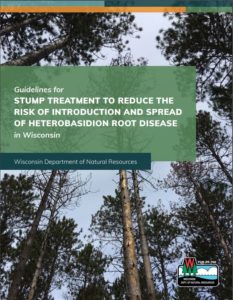 The professionally-designed version of the Heterobasidion root disease (HRD) stump treatment guidelines is now posted on