By Don Kissinger, urban forester, 715-348-5746, don.kissinger@wisconsin.gov and Paul Cigan, forest health specialist, 715-416-4920, paul.cigan@wisconsin.gov
To protect oak trees from the often-fatal oak wilt disease, don’t prune, cut or injure oak trees from April through July.
Pruning and cutting oaks in spring and early summer leaves them vulnerable to oak wilt, which rapidly kills trees in the red oak group and weakens those in the white oak group. Any damage during this time, including broken branches caused by storms, exposes living tree tissue beneath the bark and provides an opportunity for the oak wilt fungus to infect the tree.
Sap-feeding beetles introduce the disease by carrying oak wilt spores from infected trees or firewood to fresh wounds. Healthy oaks can become infected in as little as 15 minutes after the creation of a wound.
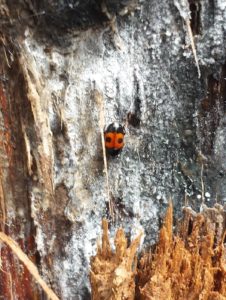
Sap-feeding beetle on diseased oak tree in Sawyer County.
The trees most likely to die from oak wilt infection are in the red oak group, including northern pin oak, northern red oak, red oak and black oak. The white oak group is more likely to survive infection and includes bur oak, swamp white oak, white oak and English oak.
Tree paint or wound dressing is not normally recommended on pruned or wounded surfaces, but for damaged oaks an immediate light application of these products may be the only defense against oak wilt infection from April through July.
Pruning in spring can be damaging to any deciduous tree because their energy reserves are low as they produce new buds and leaves following the winter months. In general, the best time to prune is in winter when trees are dormant.
As of January 31, oak wilt has been found in all Wisconsin counties except Ashland, Iron, Forest, Taylor, Door, Kewaunee, Calumet and Manitowoc counties. Several of these counties contain the highest abundance of healthy and productive oak forests in the state. Taking recommended precautions will help keep them that way for years to come.
Oak wilt and other diseases move easily on or in firewood logs year-round, so keeping firewood local, or purchasing Wisconsin-certified firewood, is another important component of protecting trees and keeping forests healthy. Visit the DNR firewood page for more information and a directory of certified firewood vendors.
More information, including a recently released oak wilt video, is available at the DNR oak wilt page. Additional information about proper pruning techniques is available from community foresters or through DNR resources such as this tree pruning poster.
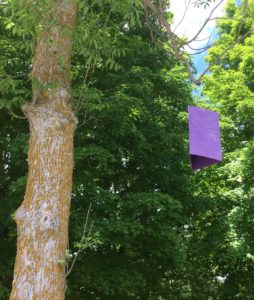
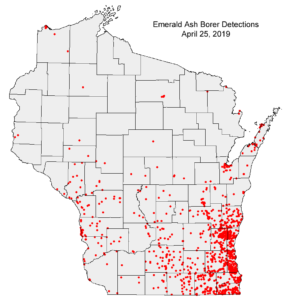
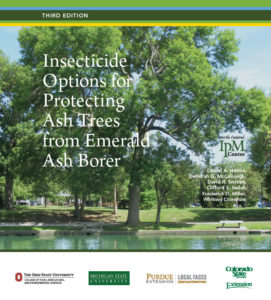 The North Central Integrated Pest Management Center has released the third edition of its widely distributed guide, “Insecticide Options for Protecting Ash Trees from Emerald Ash Borer.” This updated document addresses frequently asked questions and shares new information about insecticide options that are not covered in the guide’s previous edition from 2014. To review the most current recommendations and study results regarding insecticide use for EAB, download the report