By Krista Hamilton, Wisconsin Department of Agriculture, Trade and Consumer Protection;
Krista.Hamilton@wisconsin.gov
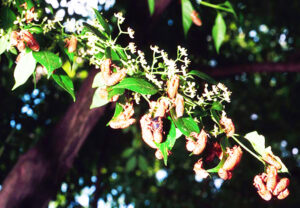
Hungry cicadas are expected to emerge from their 17-year dormancy this month to feed and mate. In past emergences, Brood XIII cicadas have been documented in 11 southern Wisconsin counties. / Photo Credit: Jim Occi, BugPics, Bugwood.org
In anticipation of the emergence of the Brood XIII periodical cicada this spring, the University of Wisconsin-Madison introduced a new Wisconsin Periodical Cicada website.
Information on the site covers the biology, ecology and distribution of these insects using photos, historical videos and other useful resources.
UW-Madison entomologist PJ Liesch sifted through 150 years of books, newspaper articles, university studies, government records and specimens in the Wisconsin Insect Research Collection to develop an updated map of Wisconsin periodical cicada reports.
Continue reading “UW-Madison Launches Website About Cicadas” →

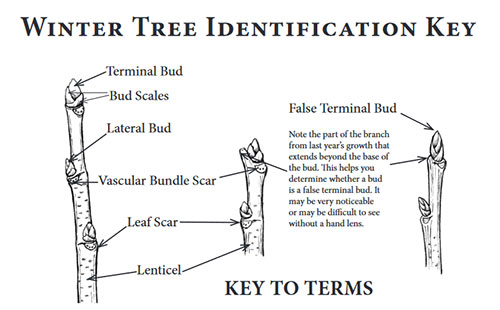 How do you learn to identify trees in the middle of a Wisconsin winter when most of the leaves are on the ground?
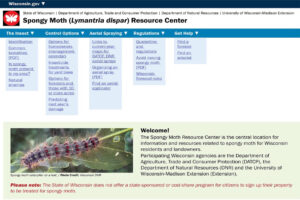 As Wisconsin braces for another potentially busy season of spongy moth caterpillars, three state agencies have teamed up to make it easier for tree owners and others to access the latest information and advice on the invasive, leaf-chomping pests.