By Jay Weiss, Cambridge Tree Project, www.cambridgetreeproject.org
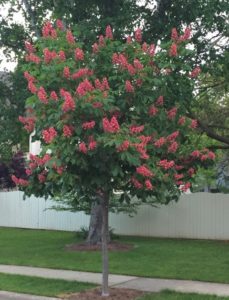
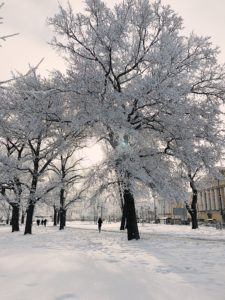
Red horse chestnut, Cambridge
It was a cold, still night January 31, 2019 when the air temperature dropped to -32 in Cambridge, Wisconsin. According to village elders, the last time it got that cold was the 1950s.
With this record setting event, we had a rigorous laboratory to assess hardiness among the wide variety of tree species under evaluation in our trials.
Immediately below is a written summary of some our findings. Detailed survival rates, along with annual growth rates of 98 species being evaluated locally, are recorded in an excel document that I am happy to share upon request (email me at info(at)cambridgetreeproject.org).
SURVIVORS:
- Bald Cypress: all 26 of our street and park trees survived. No dieback was noted.
- Dawn Redwood: 11 trees survived with no dieback. Two trees were killed outright.
Continue reading “Extreme cold event challenges tree trials”
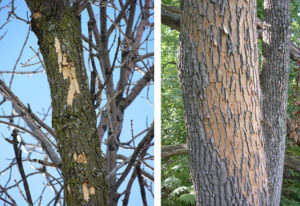
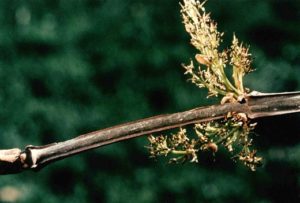 e emerald ash borer (EAB) has a voracious appetite. This pest has eradicated unprotected green and white ash in many communities in southern Wisconsin and can be expected to eventually impact all communities in the state. EAB is also damaging wetland and riverine forests by eliminating green and black ash from these woodlands, which had already become less diverse and resilient from the loss of American elm from Dutch elm disease.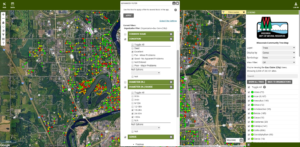
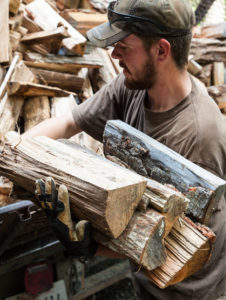
 Now more than ever, trees and forests are a vital component of healthy, livable, and sustainable communities, in the U.S. and around the globe. Along with its partners such as the Wisconsin DNR, the Arbor Day Foundation is seeking ways to link together those that plant and tend urban trees and forests for the benefit of humankind.