 *These training opportunities are provided as an information service only and do not constitute an endorsement from the Wisconsin Department of Natural Resources (DNR).
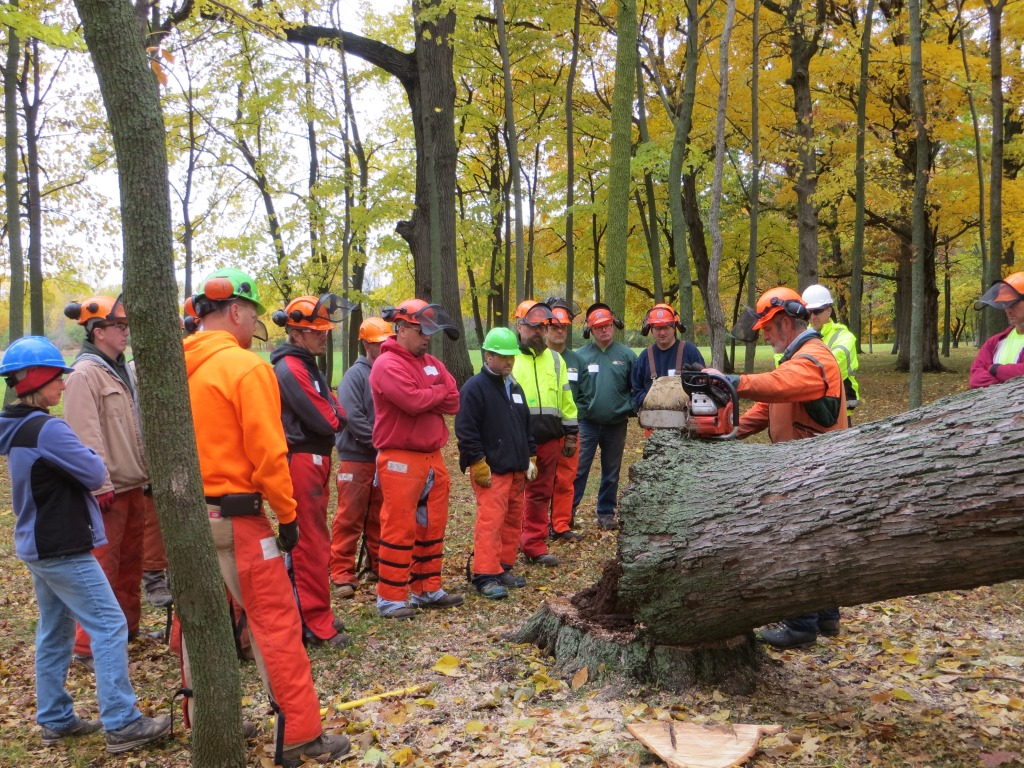
See below for information on trainings about seed production, forest management for wildlife, pest trends, research projects, apple tree grafting, chainsaw maintenance and the educational resource of the month. Continue reading “Upcoming Trainings”
 *These training opportunities are provided as an information service only and do not constitute an endorsement from the Wisconsin Department of Natural Resources (DNR).
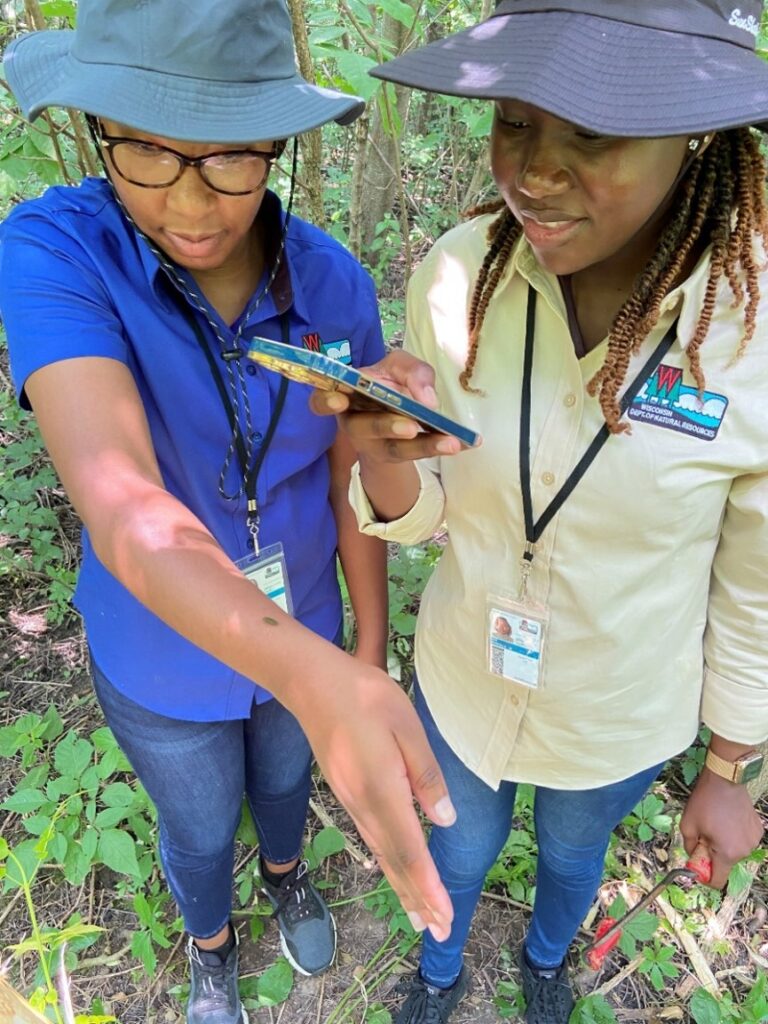 The application period is now open for hundreds of internships with the state of Wisconsin, including two positions with the DNR’s Urban Forestry program!
 What: 60+ Years of Enhancing the Urban Forests in Wisconsin
 The International Society of Arboriculture (ISA) Certified Arborist Municipal Specialist® credential will now be called
 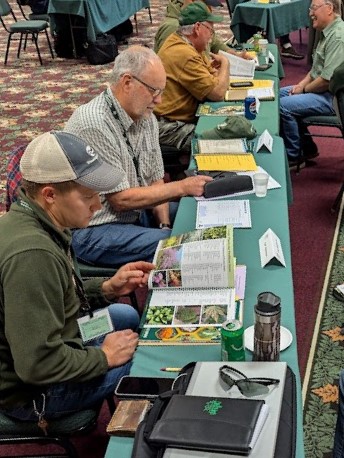 *These training opportunities are provided as an information service only and do not constitute an endorsement from the Wisconsin Department of Natural Resources.
 *These training opportunities are provided as an information service only and do not constitute an endorsement from the Wisconsin Department of Natural Resources (DNR).
 Date: Feb. 16-18, 2025