By Dwayne Sperber, President, Wudeward Urban Forest Products & Founding Member, Urban Wood Network
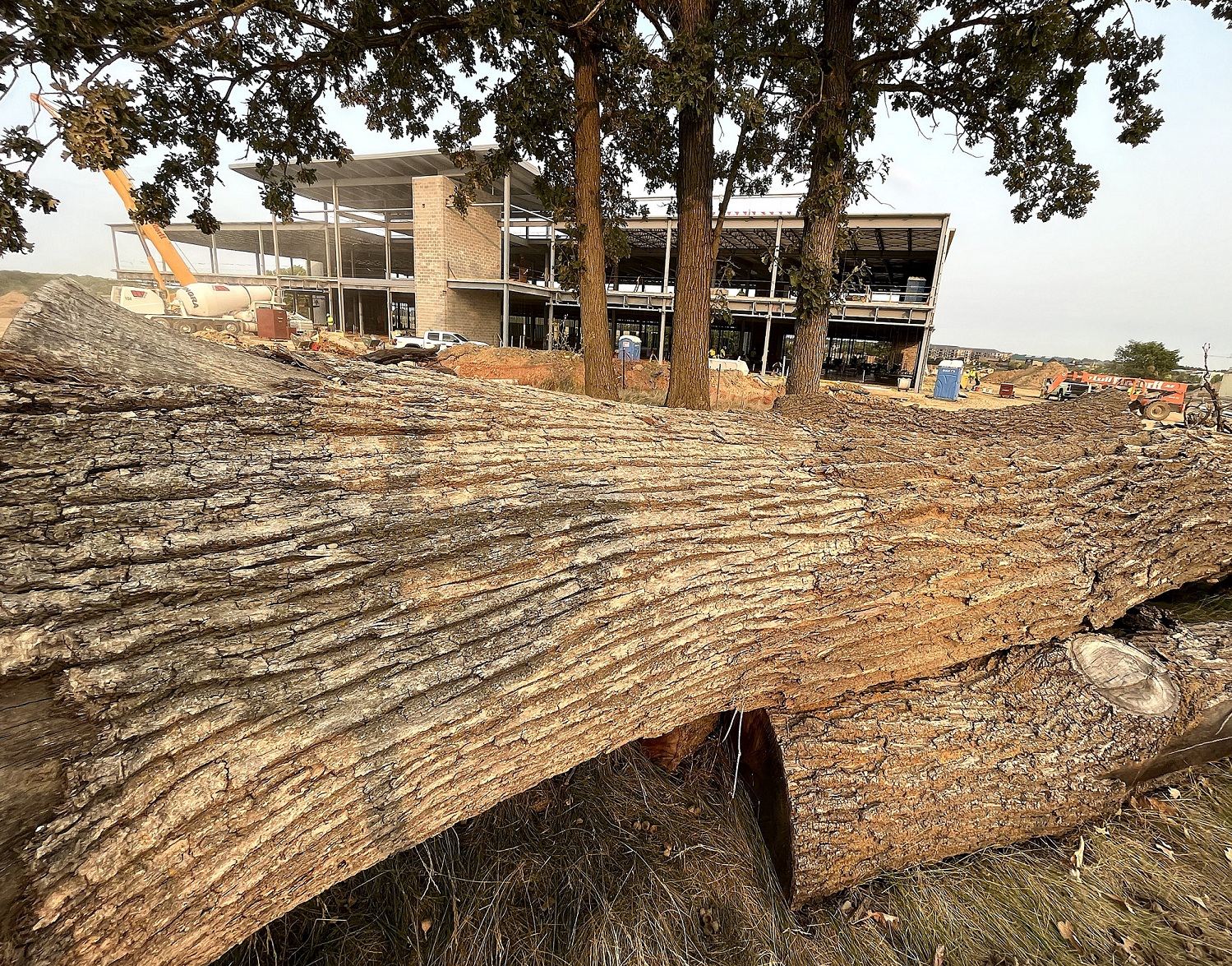
Photo Credit: Dwayne Sperber
Wisconsin’s 2020 Statewide Forest Action Plan recognizes urban and community forests as essential tools for achieving economic, environmental, social and public health goals. To advance those goals, the plan encourages multi-sector partnerships, engagement with new audiences and the use of urban wood. A recent project at the Medical College of Wisconsin illustrates how these priorities can be realized when those who manage urban and community forests are connected with established higher-use utilization pathways and the professionals committed to recognized industry standards who support them.
During site preparation for new student housing at the Medical College of Wisconsin, trees designated for removal were evaluated to determine their highest and best use. Logs suitable for higher-use applications were preserved and directed into a standardized urban wood utilization pathway where they can ultimately become durable wood products.
How Can The Benefits Of Urban Trees Continue After Removal Becomes Necessary?
The health benefits of urban and community trees are well documented and continue to be advanced through DNR initiatives, the Wisconsin Urban Forestry Council’s Public Health & Trees Issue Group, the Arbor Day Foundation’s Tree Campus Healthcare program and a growing body of research examining the relationship between nature, the built environment and human well-being.
While preserving healthy trees remains the priority, removal is an inevitable part of managing urban and community forests. Sustainable urban forestry recognizes that the environmental, economic and public health benefits of trees need not end when their standing life has. The answer depends not only on how urban and community forests are managed, but on partnerships with organizations and professionals committed to recognized industry standards and higher-use utilization.
Across Wisconsin, municipalities, developers, healthcare organizations, educational institutions and professionals who influence the built environment are increasingly recognizing removed trees as renewable natural resources. Working with Urban Wood Network members and other industry partners committed to recognized standards helps connect those who manage urban and community forests with established utilization pathways and manufacturers seeking sustainable, renewable materials. Without awareness of these pathways and the professionals who make them possible, many trees suitable for higher-use applications would continue to be managed as low-value material or waste.
Recognizing that long-term success depends on industry standards, utilization pathways and market awareness, the Urban Wood Network (UWN) was established to connect those who manage urban and community forests with the professionals and organizations committed to the responsible use of urban wood. Supported by the U.S. Forest Service and acknowledged by the DNR, Wisconsin Council on Forestry and other partners, UWN helps strengthen the relationships that move removed trees into consistent, higher-use applications.
This collaborative approach reflects nationally recognized sustainable urban forestry practices that encourage organizations to work with urban wood professionals, support recognized industry standards and build long-term utilization partnerships.
Research supporting biophilic design continues to demonstrate that stronger connections to nature within the built environment can reduce stress, improve well-being and support healing. These evidence-based design principles are increasingly influencing healthier and more sustainable buildings and are reflected in initiatives led by the American Institute of Architects.
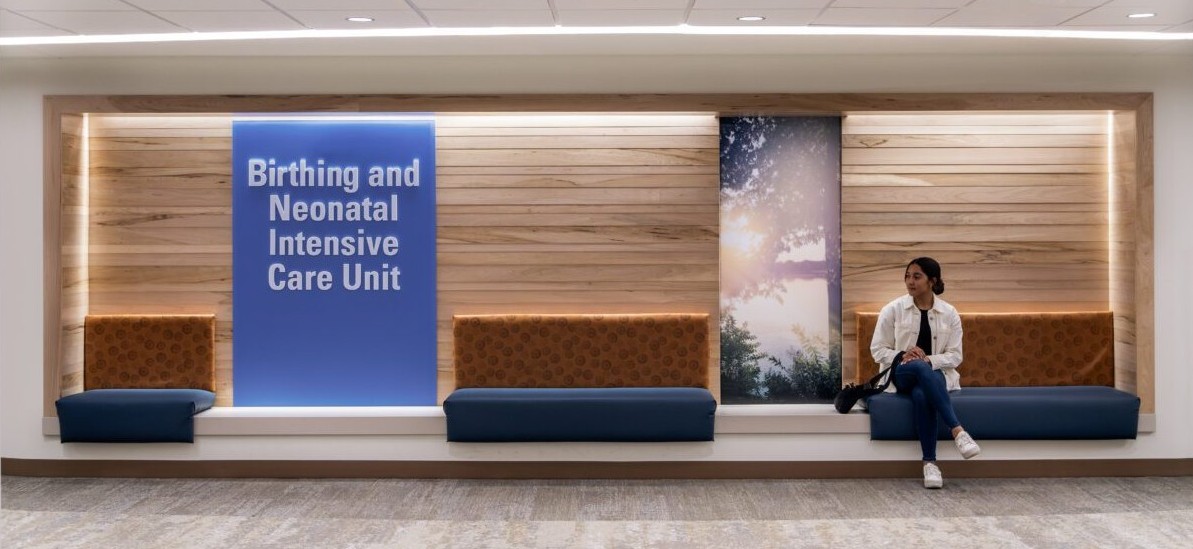
Photo Credit: Dwayne Sperber
The Medical College of Wisconsin project demonstrates how collaboration between a developer, those who manage urban and community forests, industry partners and public agencies can transform necessary tree removals into opportunities that benefit people well beyond the project site. Trees removed during one project can continue serving communities for decades through the buildings, products and spaces where they are ultimately used.
As communities pursue public health, sustainability, resilience and carbon reduction goals, urban forestry is increasingly positioned to contribute to each of these priorities. By connecting those who manage urban and community forests with recognized standards, qualified professionals and established utilization pathways, Wisconsin can continue advancing the vision outlined in its Statewide Forest Action Plan, ensuring that the benefits of urban trees continue long after their standing life has ended.