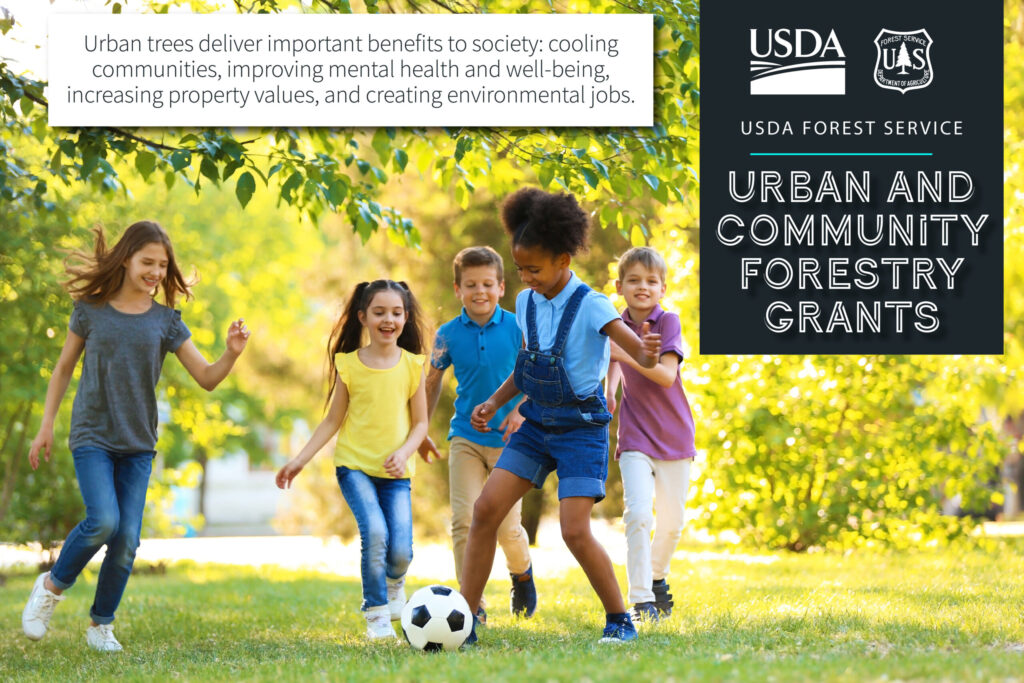
 The Urban Forestry Inflation Reduction Act grant program uses federal funds to support projects that positively impact trees and people within disadvantaged communities in Wisconsin.
Cities, villages, towns, counties, tribes and 501(c)(3) nonprofit organizations conducting their projects in Wisconsin may apply for an Urban Forestry Inflation Reduction grant. Eligible projects must occur in or benefit those living in disadvantaged communities. To learn if your community is eligible, check the DNR’s map of identified communities, also available formatted as a list. Applications are due June 3, 2024.
DNR staff will host another webinar on May 15 on the Urban Forestry Inflation Reduction Act grant application process and allow time for questions and answers. This webinar will begin with a presentation by UW Extension staff on ways to engage with your community through urban forestry. See the links below to access recordings of previous webinars and register for the May 15 webinar.
-
-
- If you have attended a previous IRA webinar, you are encouraged to register for this session as well, which will include new information on community engagement.
For more information, visit the Wisconsin DNR Urban Forestry webpage.
Continue reading “Register Now For May 15 Webinar On Inflation Reduction Act Grants And Community Engagement” →
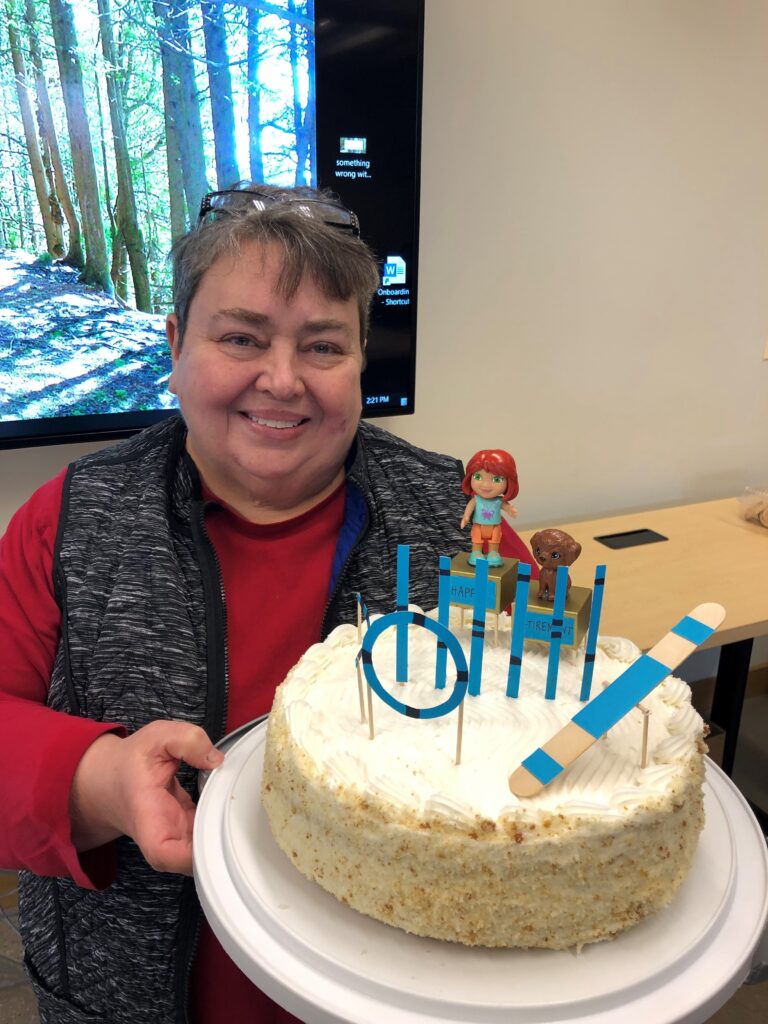 Congratulations to Tracy Salisbury, who began her retirement in May. Tracy has been with the DNR as an urban forestry coordinator in northeast Wisconsin since 1998.
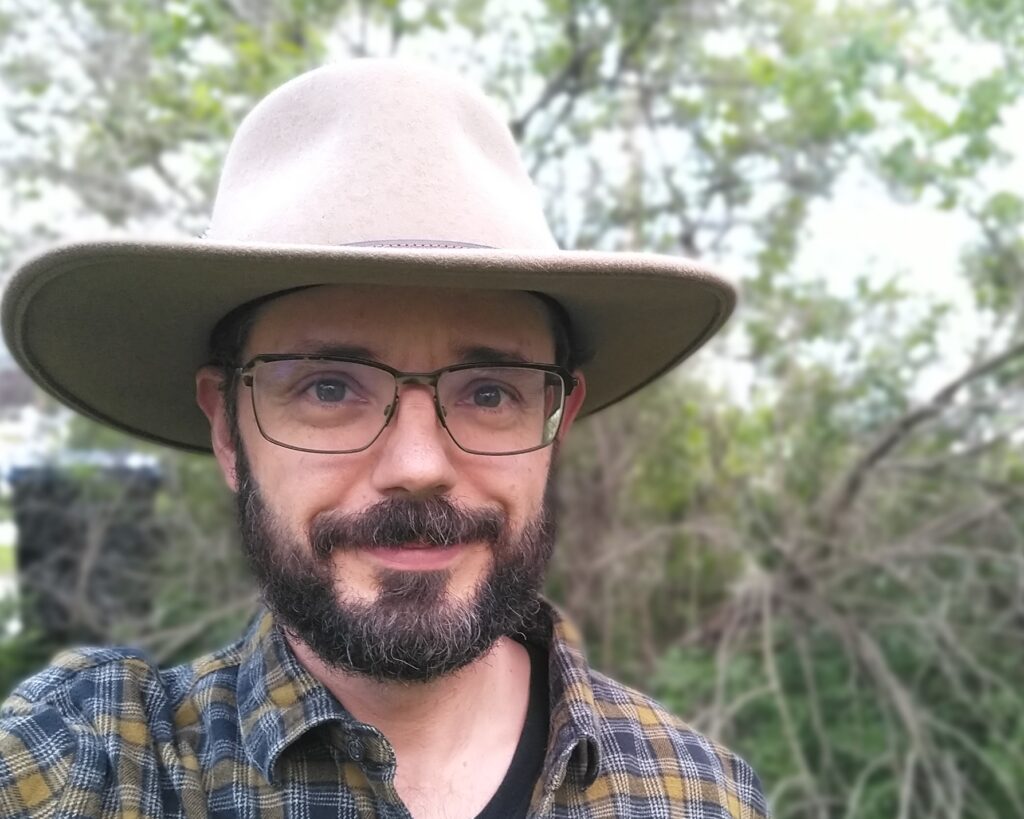 Jay Dampier joined the Urban Forestry Team on June 3 as the new Inflation Reduction Act (IRA) grant coordinator. This is a federally funded project position that will be overseeing $4 million of federally funded grants awarded to Wisconsin communities, tribes and nonprofits. These IRA funds were allocated to the urban forestry program by the United States Department of Agriculture (USDA) Forest Service in 2023. As part of the Justice 40 Initiative, 100% of the funds will be used to improve the urban forest resources and lives of those living in disadvantaged communities throughout the state.
 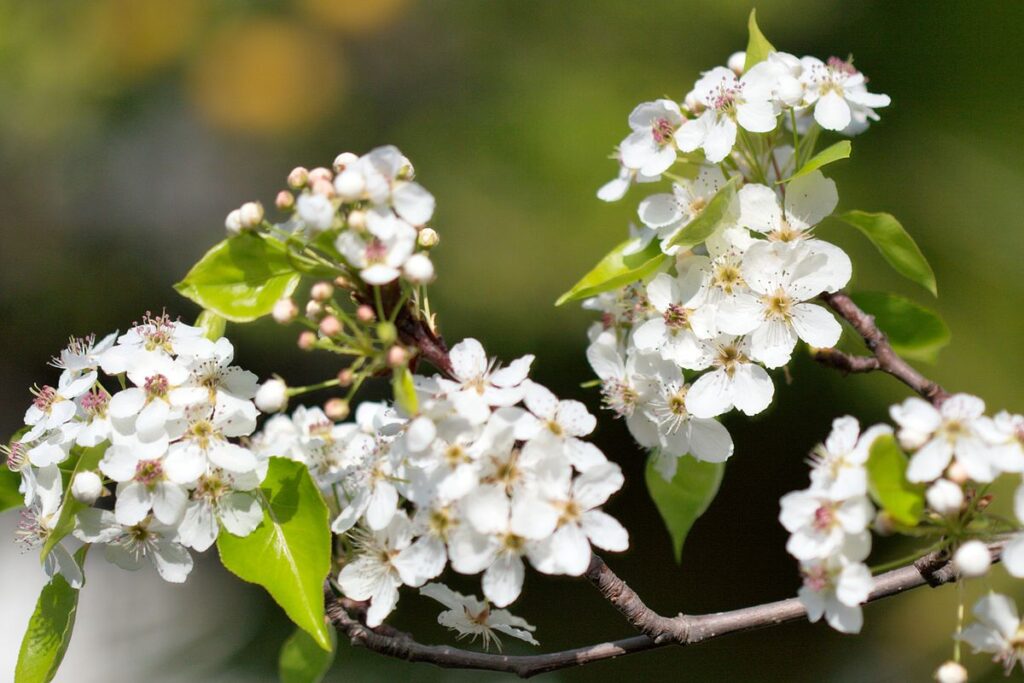 At first glance, the Callery pear (Pyrus calleryana) tree seems appealing, with its white blossoms in spring and colorful leaves in fall. Digging a little deeper, however, reveals the grim reality of this common urban tree. Once introduced for its ornamental value, this invasive species has become a significant threat to Wisconsin’s ecosystems.
 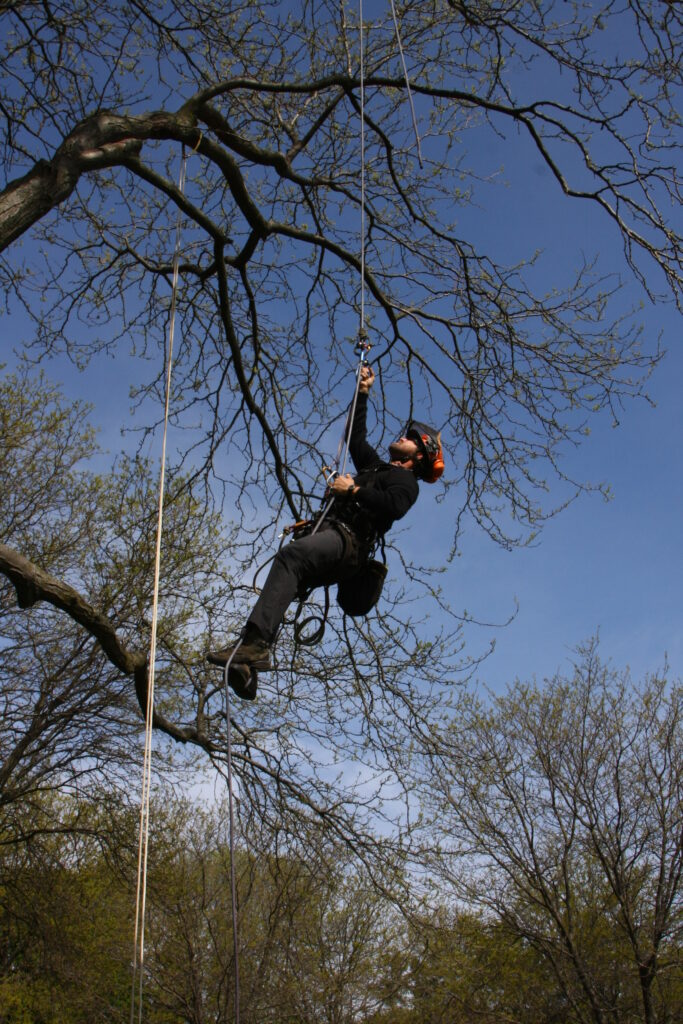 Join the Wisconsin Arborist Association (WAA) for its summer conference. It will be held at the University of Wisconsin-River Falls University Center in River Falls, Wisconsin, on Friday, July 26, 2024. The program will have a little something for everyone, Planting for the Future and feature two educational tracks, one indoors and one outdoors.
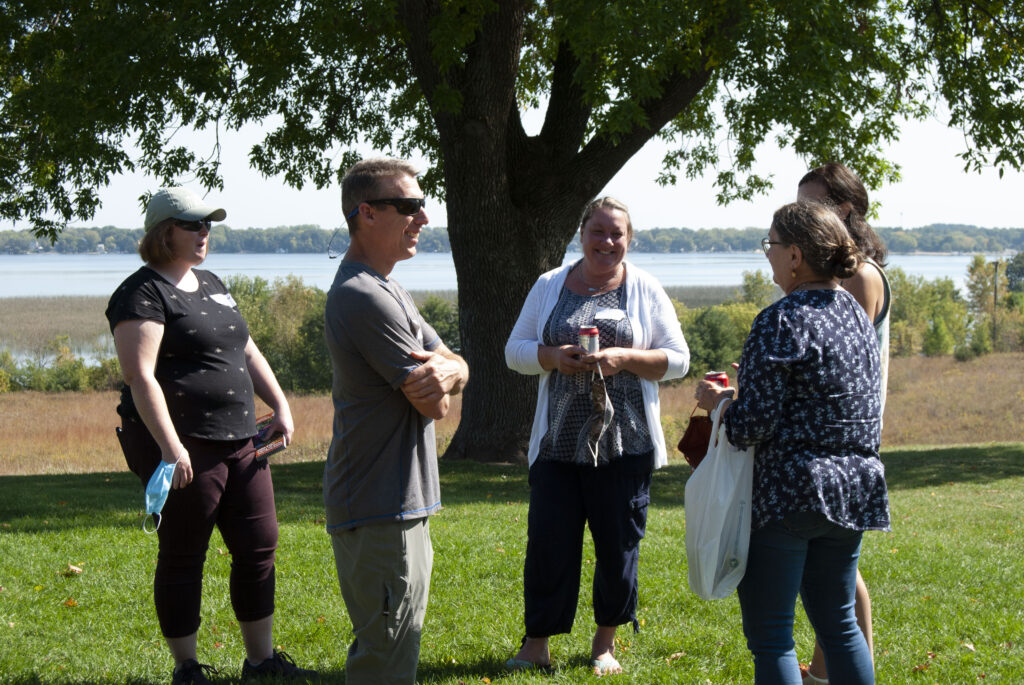 Partner with community groups such as 4-H, Scouts, rotary clubs and neighborhood associations to plant and care for trees.
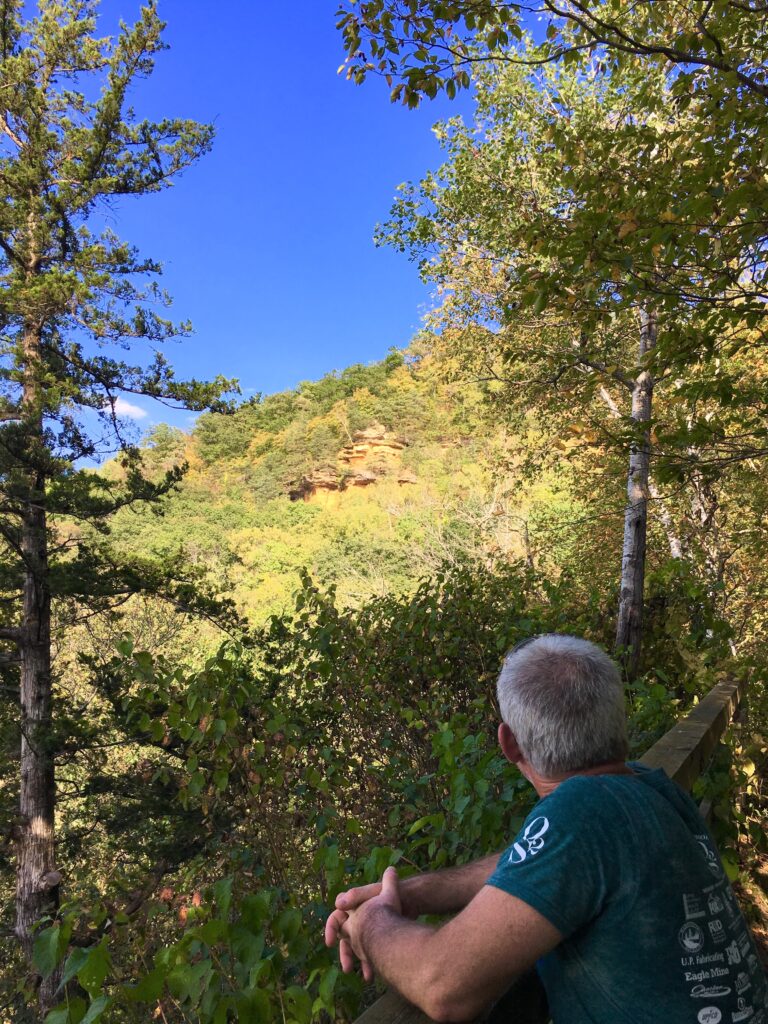 Over the years, a growing body of research has proven that regular access to trees makes us happier and healthier. They restore our sense of calm from head to toe — improving memory and attention span, enhancing cognitive functioning, lowering blood pressure, and reducing cortisol levels.
 Many residents and land managers in southeastern Wisconsin search for effective and efficient practices to control exotic invasive plants in our natural areas. The Southeastern Wisconsin Invasive Species Consortium is teaming up again with