By: Bill McNee, DNR Forest Health Specialist, Oshkosh
bill.mcnee@wisconsin.gov or 920-360-0942
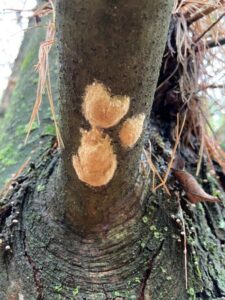
Three spongy moth egg masses on a branch in Walworth County. Photo Credit: Bill McNee, Wisconsin DNR
Now that spongy moth* (formerly known as gypsy moth) egg laying is complete for 2022, it’s a good time to look for and dispose of egg masses produced by adult moths over the past two months.
Spongy moth egg masses are tan-colored lumps about the size of a nickel or quarter, and are found on trees, buildings and other outdoor objects. They may also be found in protected places such as firewood piles and birdhouses. Newly produced egg masses will feel firm and appear darker in color than older egg masses, which appear faded, feel spongy and do not contain viable eggs. The current-year egg masses will not hatch until next spring.
In 2022, Wisconsin’s spongy moth population grew for a third consecutive summer due to favorable weather conditions and limited caterpillar mortality from diseases. The outbreak was most dramatic in opposite ends of the state. In southern and southeast Wisconsin, several thousand oak-dominated acres were heavily defoliated and very large numbers of property owner reports were received by DNR staff. In Bayfield County, about 80,000 acres of rural defoliation was reported from aspen-dominated forests. Smaller patches of defoliation were also reported from several other counties. Continue reading “Look For Spongy Moth Egg Masses – Larger Outbreak Possible in 2023” →

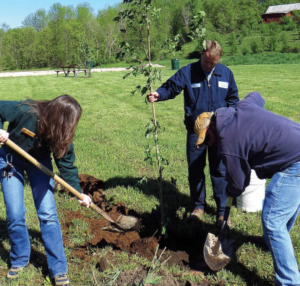 You may have participated in this survey led by DNR Urban Forestry Coordinator Don Kissinger in 2020 (if so, thank you!) Wisconsin municipalities with more than 2,500 residents were asked a series of questions about the types of trees they prefer to plant (such as root stock type and caliper size), which lesser-used species they had successfully planted, which species they cannot find but would like to plant, and whether they use a gravel bed.