By Alex Anderson, DNR Forest Products Specialist, Rhinelander
When people think of wood-based panel products, plywood and oriented-strand board (OSB) usually come to mind. However, a vast array of panel products whose primary building block is wood do not fall under the auspices of plywood or OSB. Before we explore those, it’s important to understand the distinction between “structural” panels and “non-structural” panels.
As the name implies, structural panels are designed to bolster the strength, stiffness and resistance of the items they adhere to. Plywood, generally, is utilized in commercial structures, whereas OSB is more common in residential construction.
Both plywood and OSB function as cladding for roofs, walls and subfloors. In Wisconsin, various plywood manufacturers generally produce hardwood plywood for decorative applications, such as furniture, cabinets, pinblocks for pianos and many others. There are also two OSB manufacturers in Wisconsin that utilize OSB as a base for their siding product.
Alternatively, non-structural panel products are primarily represented by medium-density fiberboard (MDF), particleboard and hardboard. Like OSB and plywood, these panels are prized for their dimensional stability and textural consistency.
Continue reading “There’s More To Panels Than OSB And Plywood”
 Recordings of these webinars are available. These recordings expand on each topic, filling in some details about the industry.
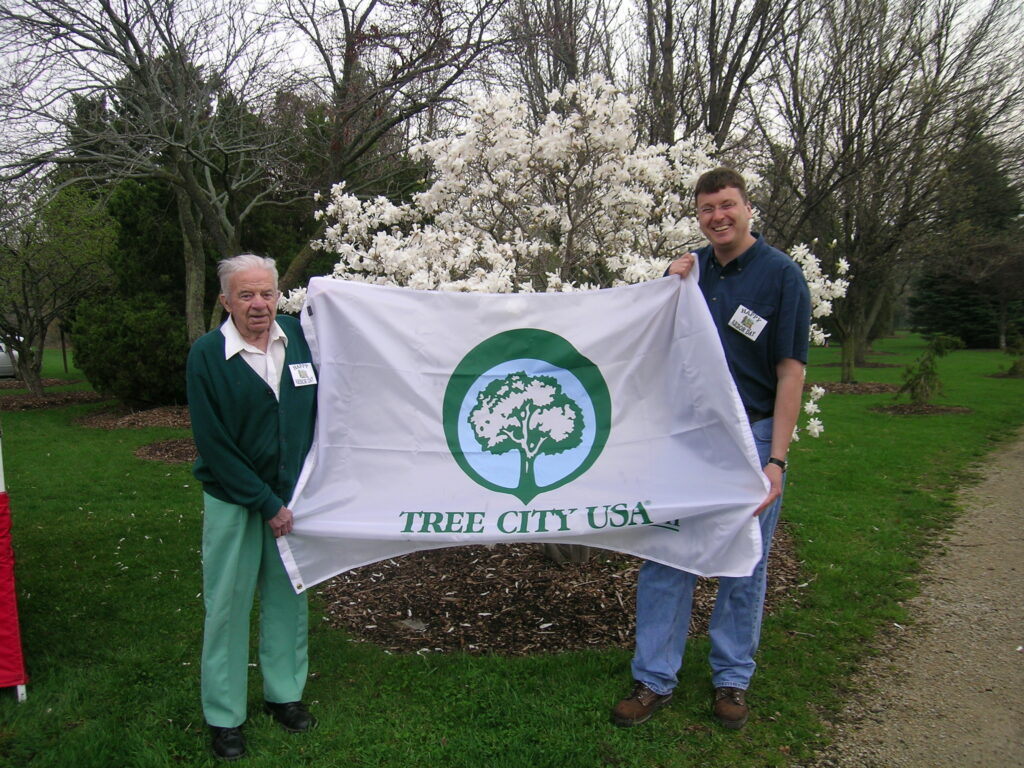 Tree City, Tree Campus and Tree Line USA program participants: please review the Arbor Day Foundation’s following expectations regarding the 2021 program recognition standards.
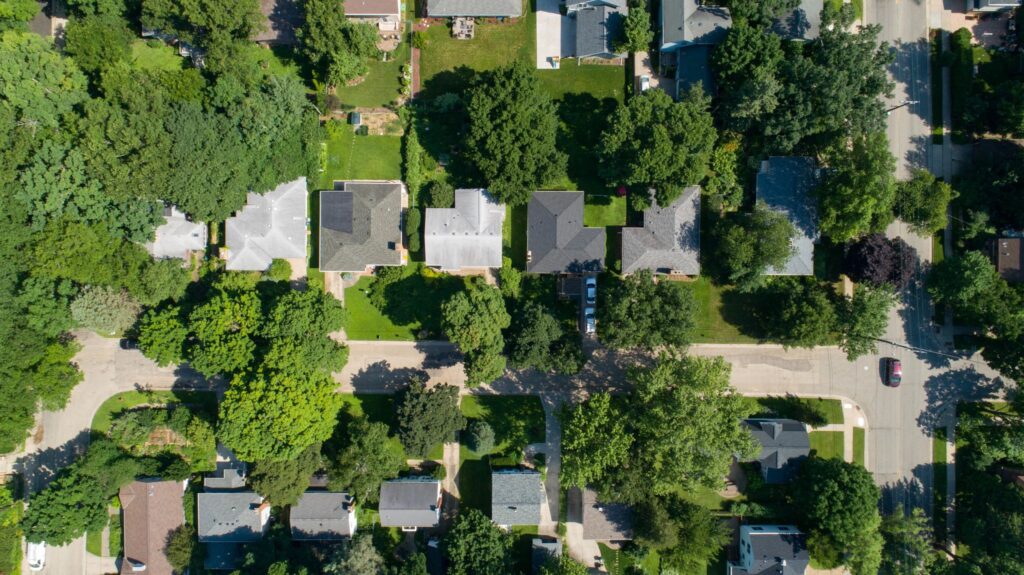 The Wisconsin Urban Forestry Council has announced awards honoring those dedicated to protecting, preserving and increasing the number of trees that line city streets, fill community parks and beautify neighborhoods throughout Wisconsin. The Wisconsin Urban Forestry Council advises the Wisconsin Department of Natural Resources (DNR) Division of Forestry on the management of urban and community forest resources.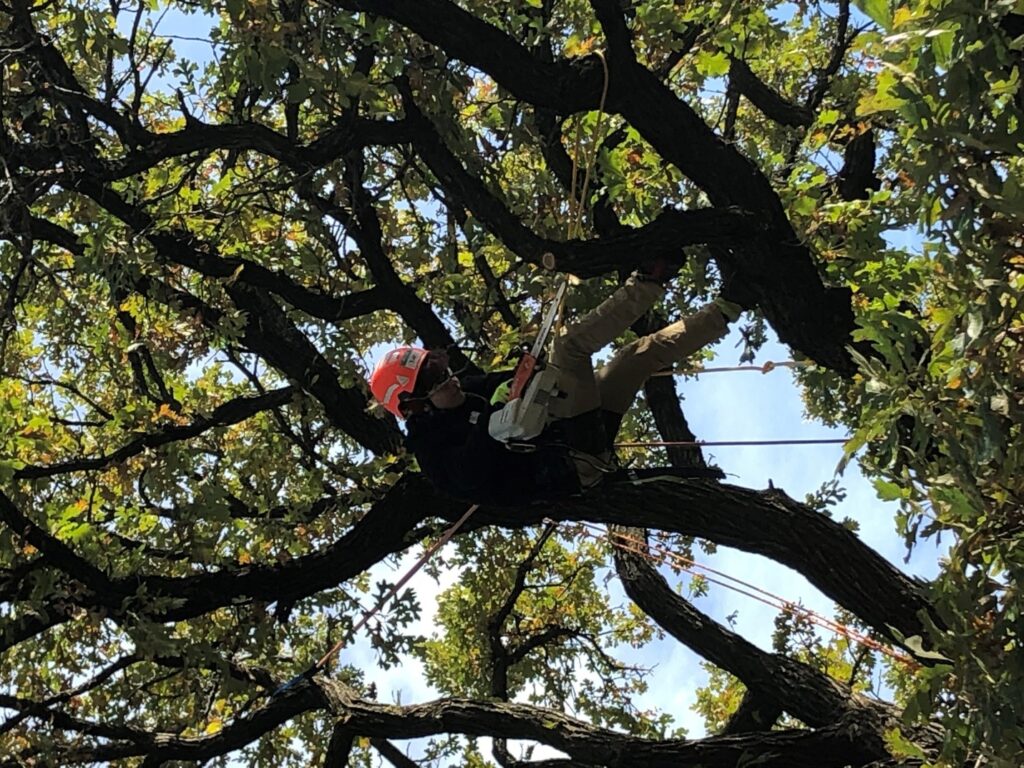
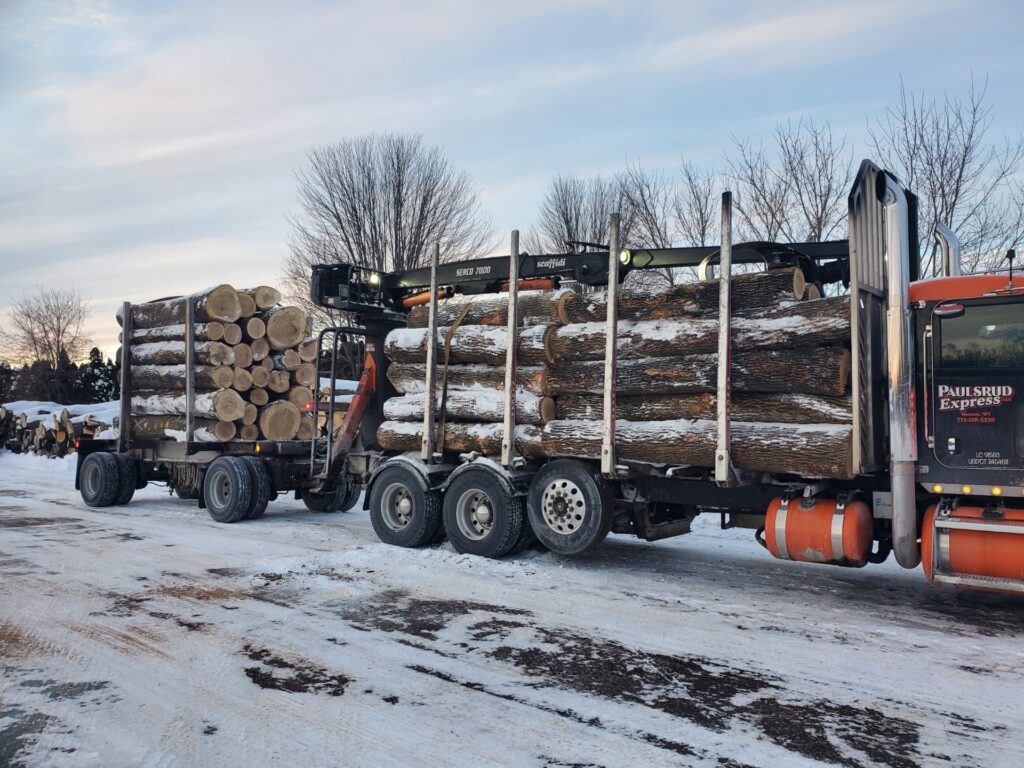
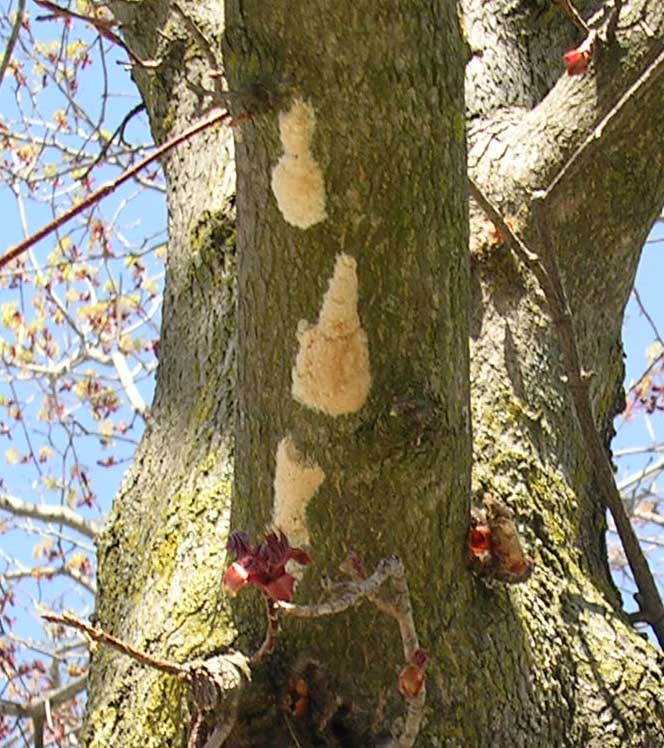
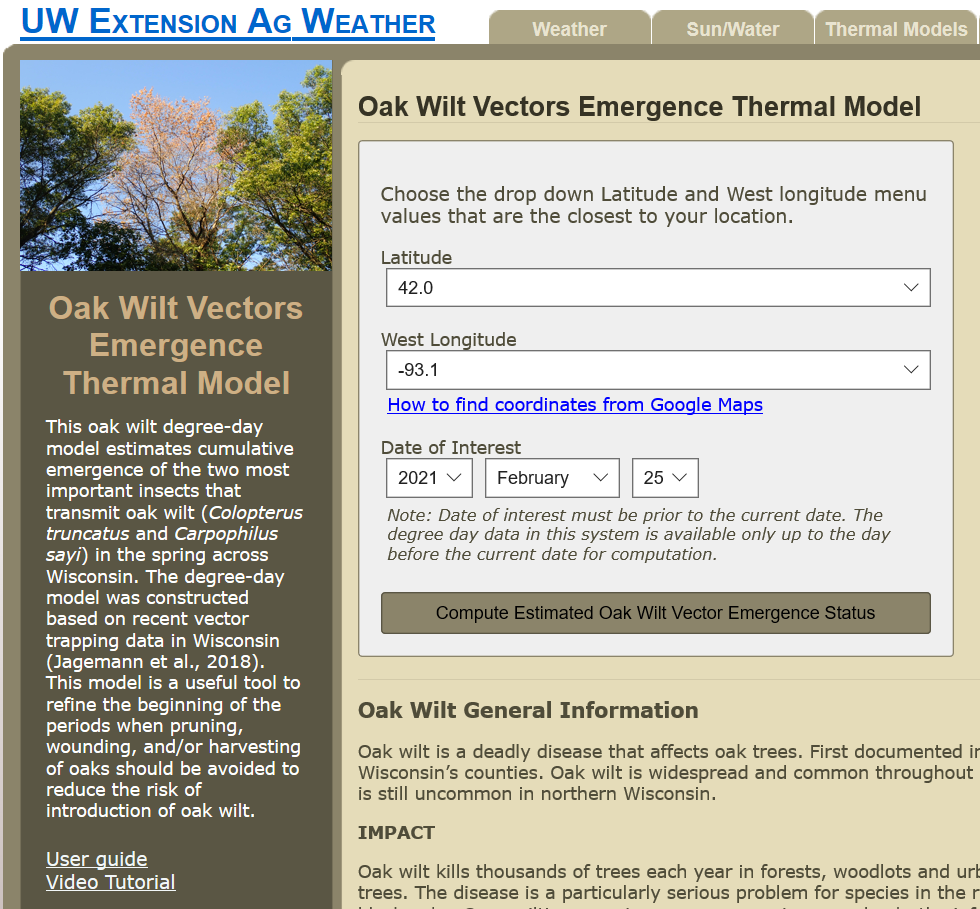 Oak wilt is a serious disease that occurs when insects carrying oak wilt fungal spores land on a healthy oak tree’s fresh wound. To prevent oak wilt infections, it is important to avoid pruning, wounding and harvesting oaks when these insects are abundant, generally April through July.