Past reports from the 1992 and 1967 WI DNR Forest Health Annual Reports
25 years ago – 1992
“European fruit lecanium (Parthenolecanium corni (Bouche))
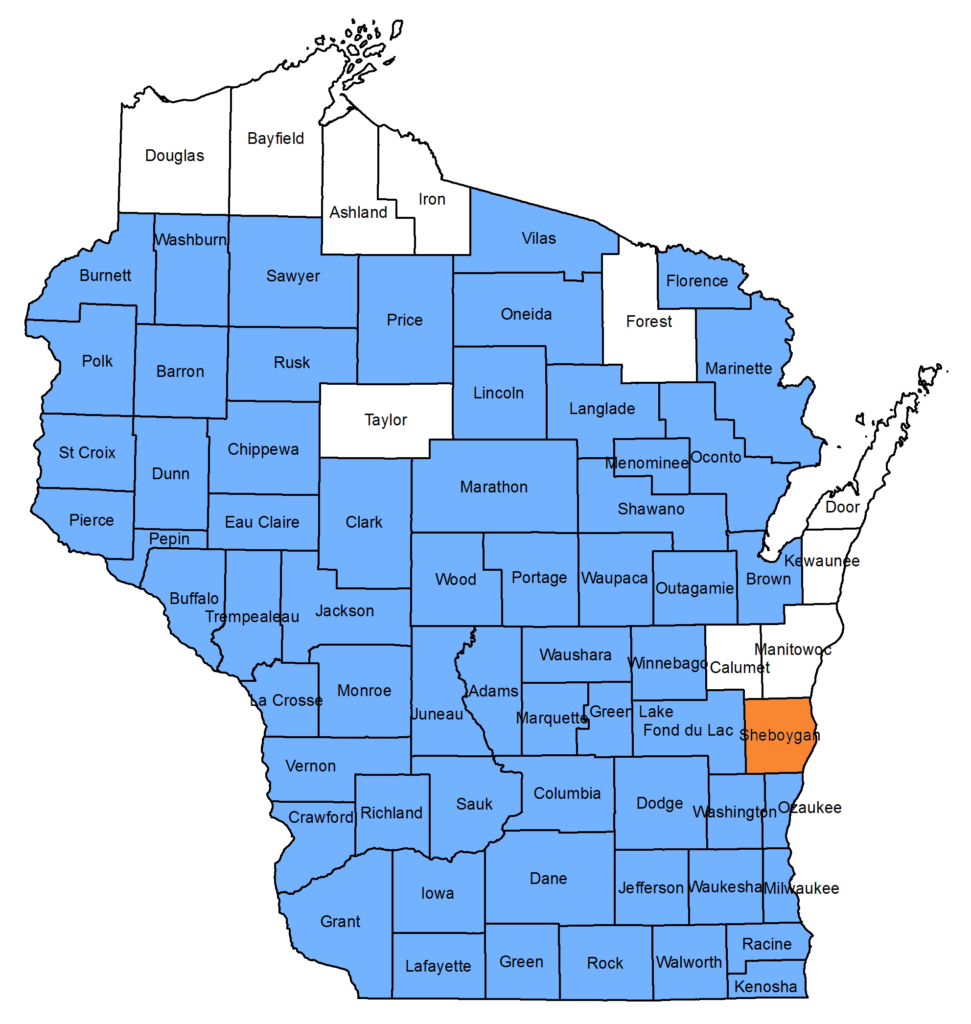
Heavy infestations of this scale insect were reported on sugar maple twigs in Vilas and Price counties.
Jack pine budworm (Choristoneura pinus (Rohwer))
The outbreak in the northwestern counties, which began in 1991, exploded this year (Figure 16). Over 114,000 acres of jack pine were heavily defoliated in Douglas, Bayfield, Washburn and Burnett counties. Egg mass surveys indicate extremely high numbers of jack pine budworm. The area of defoliation may increase in 1993. The present defoliation is not expected to cause significant mortality except in Highland Township, but another year of heavy defoliation in the same stands could cause 10-15 percent mortality. In Highland Township, Douglas County, extremely severe feeding produced significant. mortality and top dieback on several thousand acres of jack pine. Most of these stands are being harvested this winter. Moderate to heavy defoliation also occurred in Jackson, Juneau, Eau Claire, Marinette (1,650 acres), Vilas (2,960 acres) and Oconto counties. In Marinette County, 20 acres of 70-year-old jack pine were cut to release young jack pine and white pine. Jack pine budworm was causing severe top mortality. Evidence of budworm in the northern portion of the Monroe County Forest was observed on 35-40 year old jack pine (Sections 4, 9,16, T19N, R3W). DNR foresters have silvicultural guidelines available to manage budworm-prone jack pine stands.”
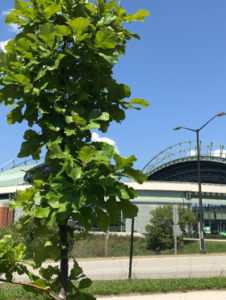
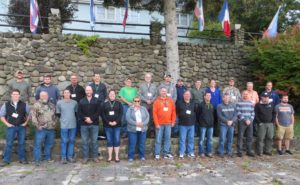 The first of three sessions was held for Wisconsin’s Community Tree Management Institute (CTMI). Twenty-six students from across the state met in Green Lake, WI October 17-18. These municipal tree managers (who lack technical and program management in arboriculture) learned the foundations of urban forestry. Through hands-on training and exercises, students learned about: canopy and measurement tools, tree benefits, awareness and support, politics and policy, leadership, partnerships, legal issues, ordinances, budgeting, tree boards and utilities. Instructors for session I included: municipal foresters, public works directors, a UW Extension agent, utility representatives, consultants and DNR staff. The variety of instructors, their perspectives and interactive components is meant to appeal to all learning styles.
 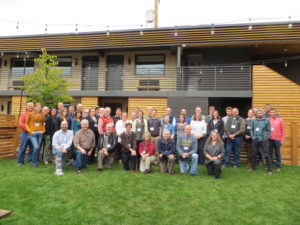 The Urban Forestry Council held their most recent quarterly meeting on October 13 at The Oxbow Hotel in Eau Claire. This was the second time the Wisconsin Council met with their colleagues in Minnesota, board members from the Minnesota Shade Tree Advisory Committee and MN DNR urban forestry staff. In addition, they were joined by Urban Forestry Council members from several additional states: Indiana, Iowa, and Michigan. The Wisconsin Urban Forestry Council and Wisconsin DNR were pleased to welcome these urban forestry representatives from the region for the meeting.