
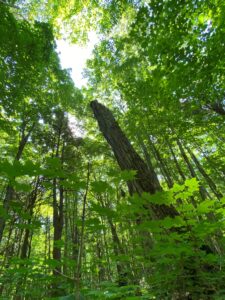
An example of single tree selection at work in a forest. Credit: Wisconsin DNR
Single tree selection is a natural regeneration system that was pioneered here in the Lake States. Used primarily in northern hardwood forests, single tree selection is a cutting method designed to regenerate and maintain uneven-aged stands. Single tree selection stands are maintained at each stand entry by establishing or releasing seedlings and saplings, tending trees to enable quality tree development and harvesting mature trees to create growing space for new age classes. To learn more about this regeneration method, check out the Generally Accepted Silvicultural Principles publication.
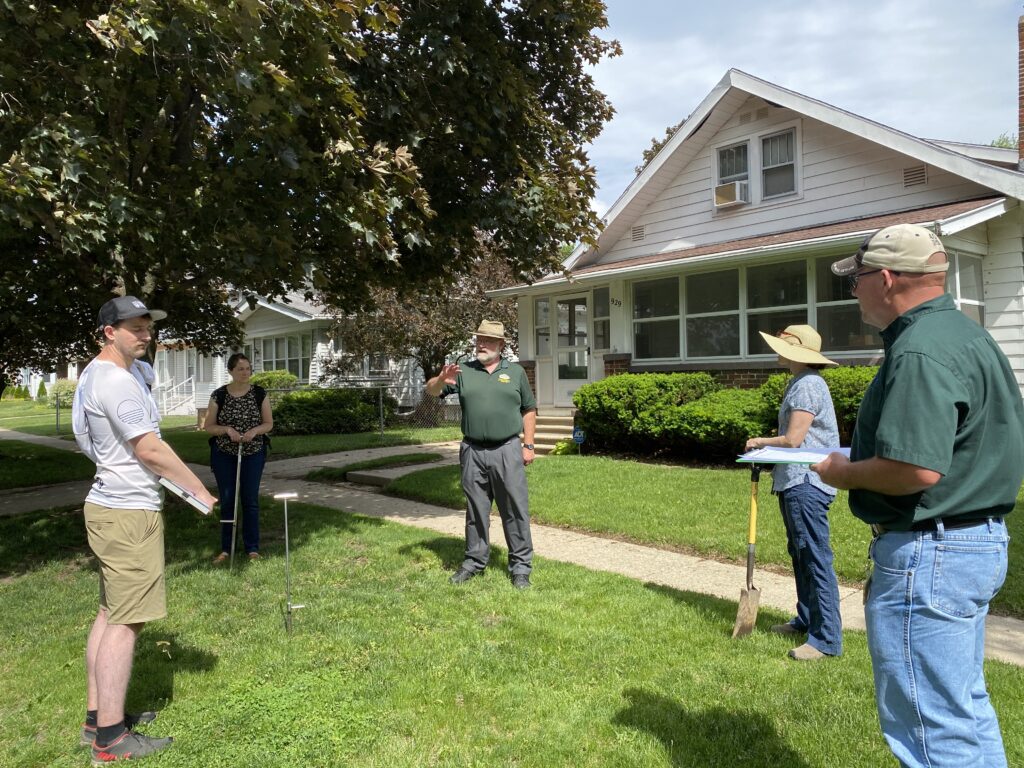 As the year draws to a close, we asked DNR urban forestry staff to reflect on the last 12 months and choose their top highlight – whether it’s a project they’re especially proud of, a new partnership or a deeper relationship with coworkers. Here are their responses:
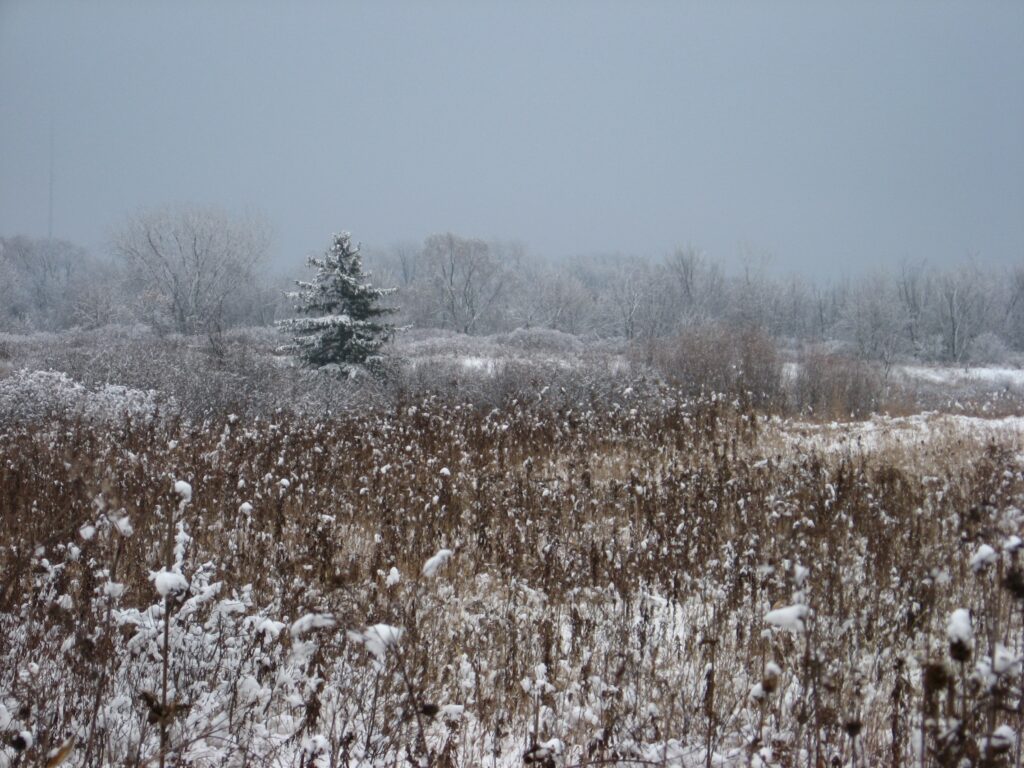 Sunlight fades, then sunlight grows. With those celestial rhythms surrounding the winter solstice, millennia of ritual have been shaped. Winter is historically an extremely dangerous time, in a way unfathomable to those of us with furnaces and stocked pantries. But at the winter solstice, something important happens: ever so gradually, the days start to lengthen, and there is hope that a bright, warm world will return.