Linda Williams, Forest Health Specialist, Woodruff. Linda.Williams@wisconsin.gov or 920-360-0665
If you notice swollen needles or bare branches on balsam fir trees this spring, the culprit might be balsam gall midge. Adult balsam gall midges are tiny flies that lay their eggs in the developing new shoots shortly after budbreak in the spring.
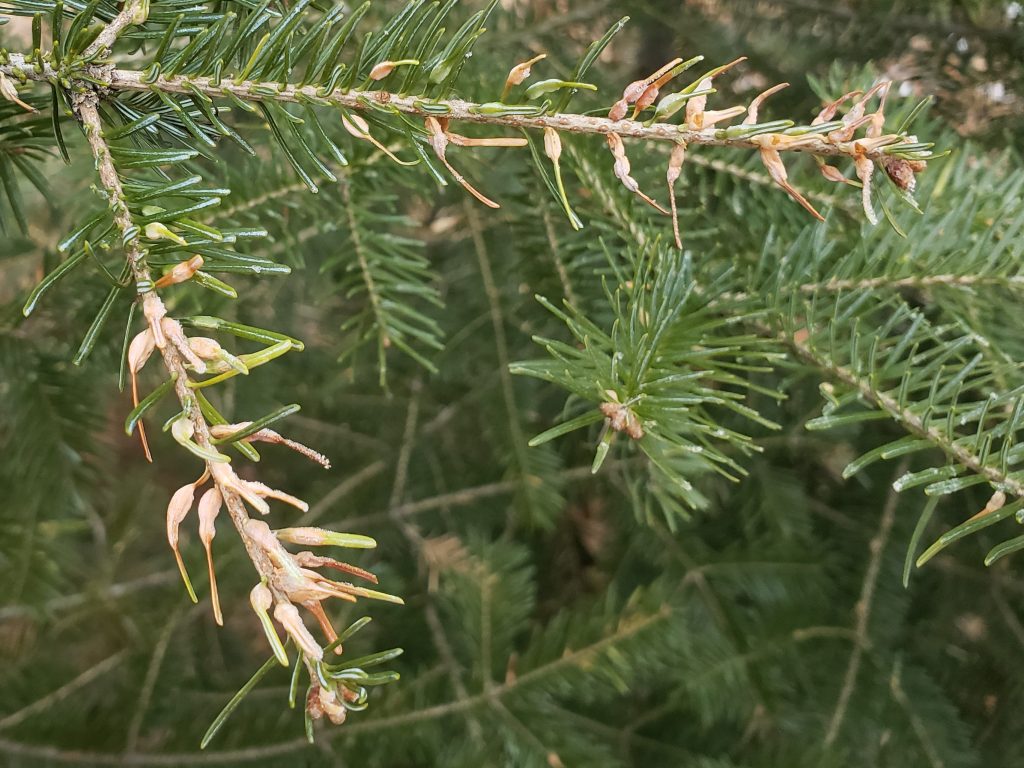
Balsam fir needles with swellings caused by balsam gall midge will turn brown and drop from the tree prematurely.
Trees with late-breaking buds are less susceptible to gall midge attacks, as the buds are still tight when adult midges are laying eggs. The young larvae feed at the base of developing needles, causing needle tissue to grow around them (forming the needle gall).
The galls are green during the spring and summer but turn yellow in early fall, and infested needles drop prematurely. In the fall, the mature larvae drop to the ground, where they overwinter in the litter. By early the following spring, most of the damaged needles have fallen off, leaving bare spots along the branches where no needles are present.
Control options using insecticide applications are geared towards Christmas trees and are generally not necessary for forest trees.
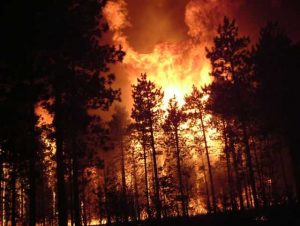
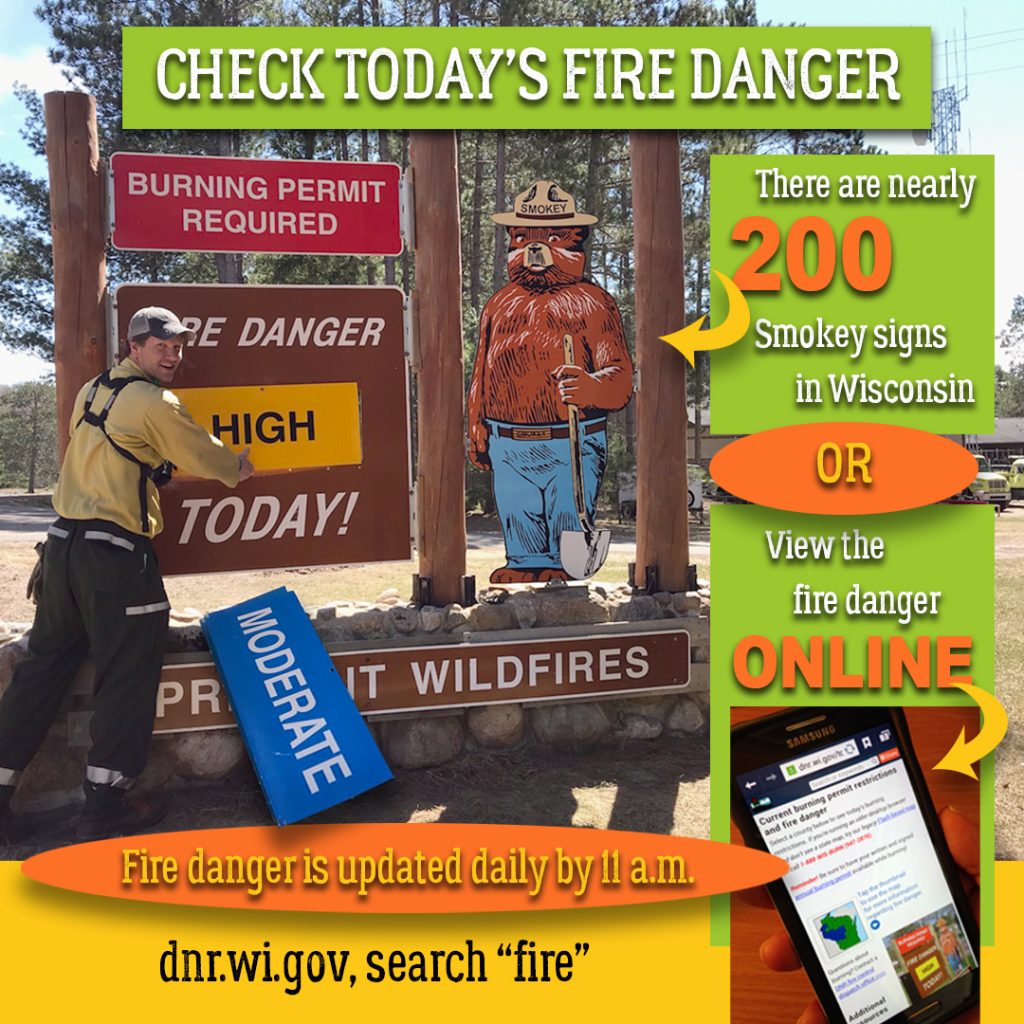 Spring is the peak wildfire season in Wisconsin, and we all play a part in reducing wildfire risk. This time of year, there is still a great deal of dead vegetation that dries out quickly and is available fuel for a wildfire.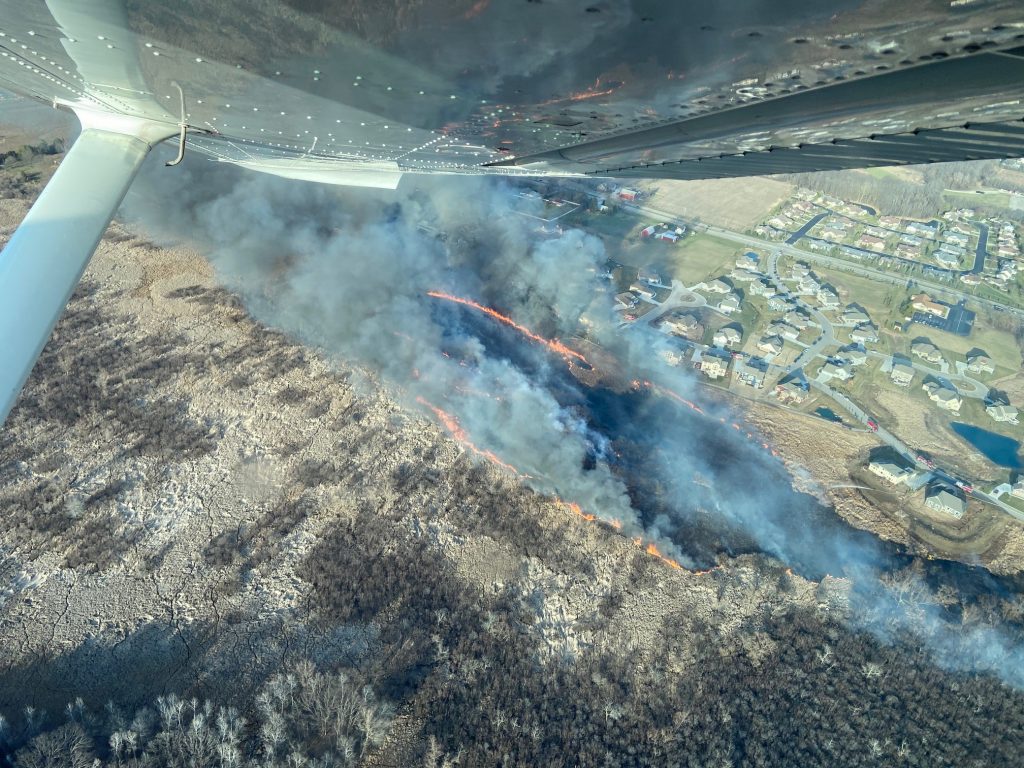
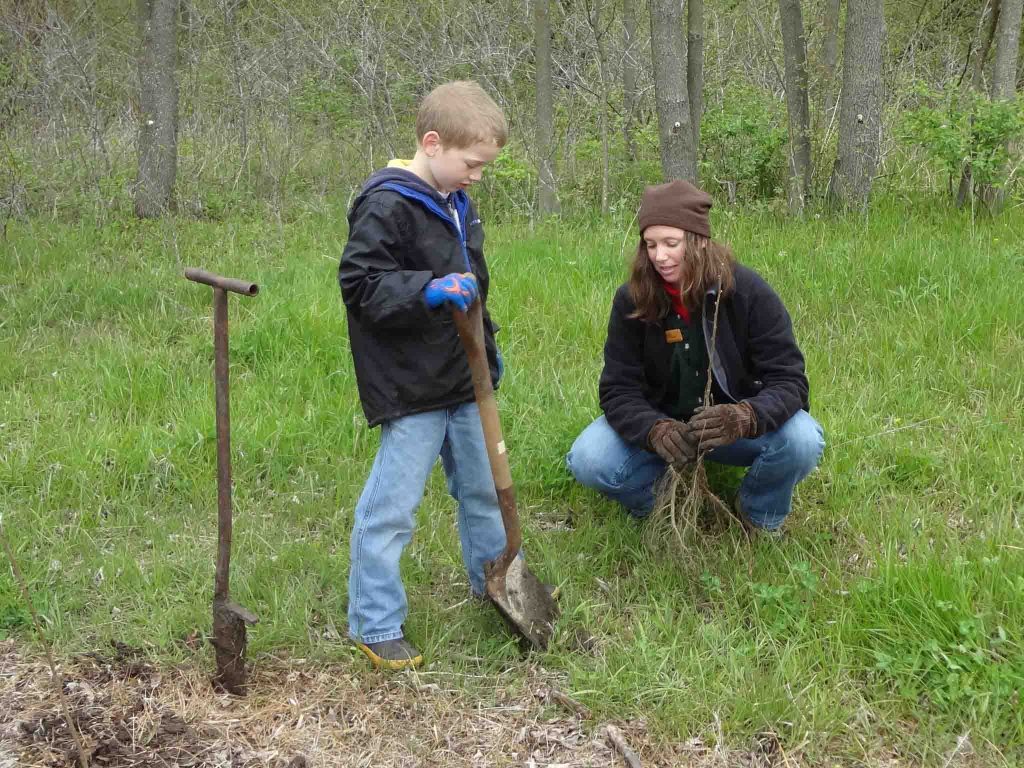 Due to the ongoing COVID-19 pandemic, the Arbor Day Foundation has suspended their requirement to hold a public Arbor Day celebration in 2021. Communities will be able to maintain their Tree City USA designations without meeting this standard. An Arbor Day proclamation is still a requirement.
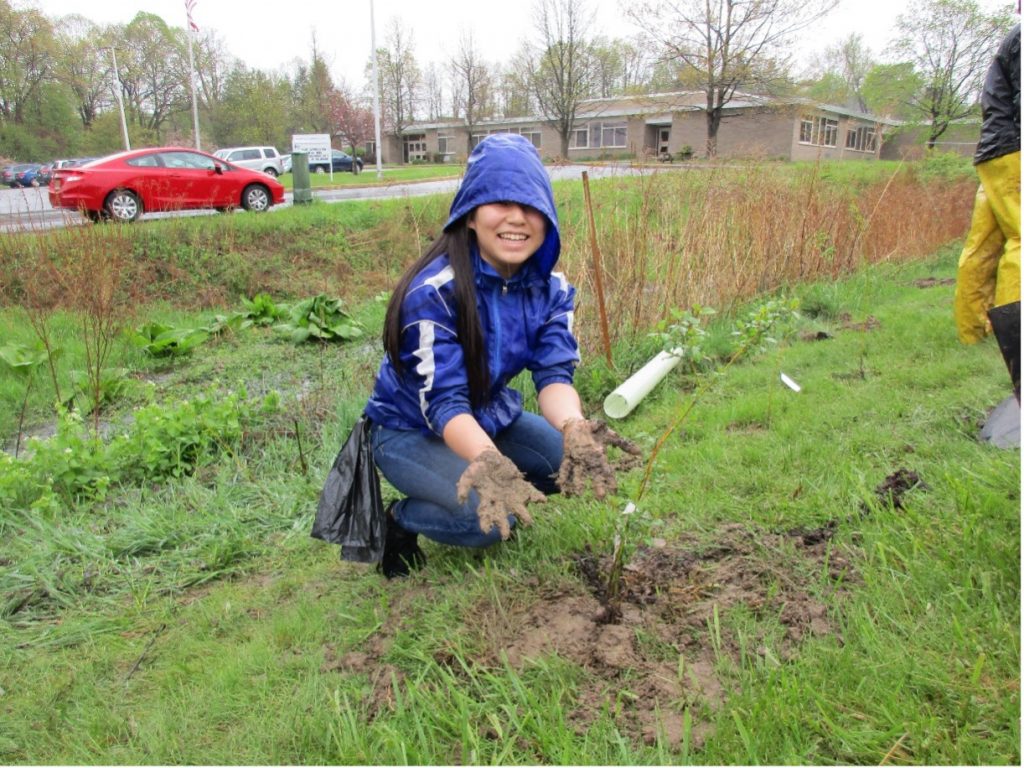
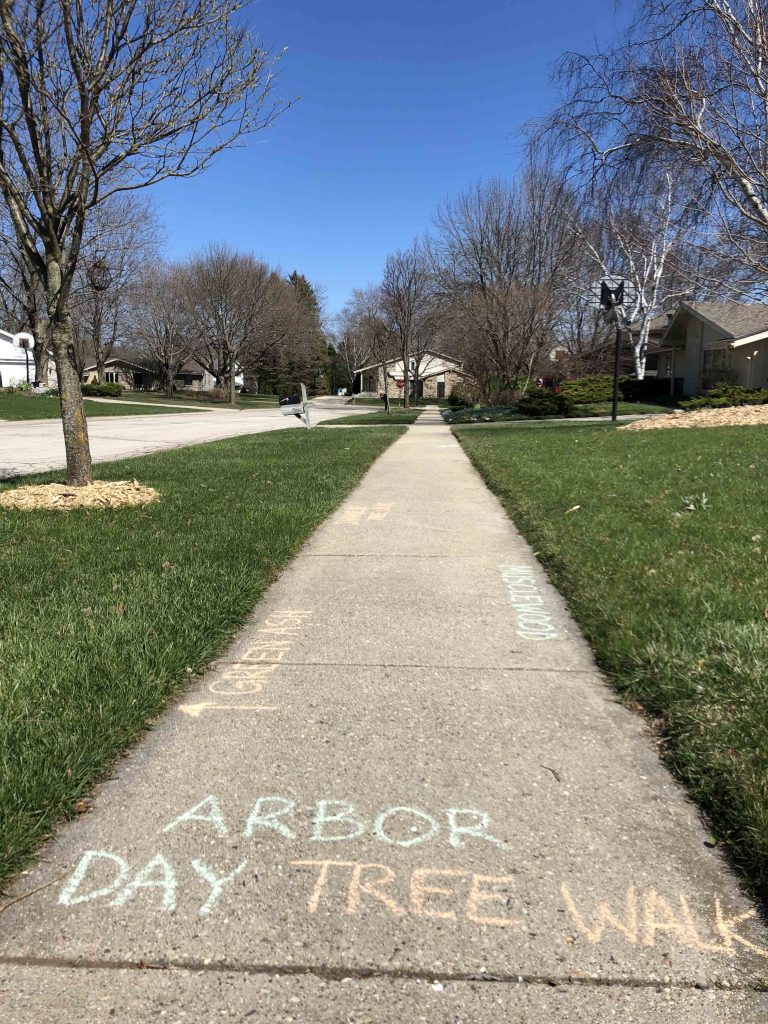 Looking for ideas for celebrating Arbor Day during the pandemic? Here are a dozen possibilities:
 April 26-30 is