By Jenn Janness, DNR Urban Forestry Outreach Specialist
Jennipher.Janness@wisconsin.gov or 715-815-7173
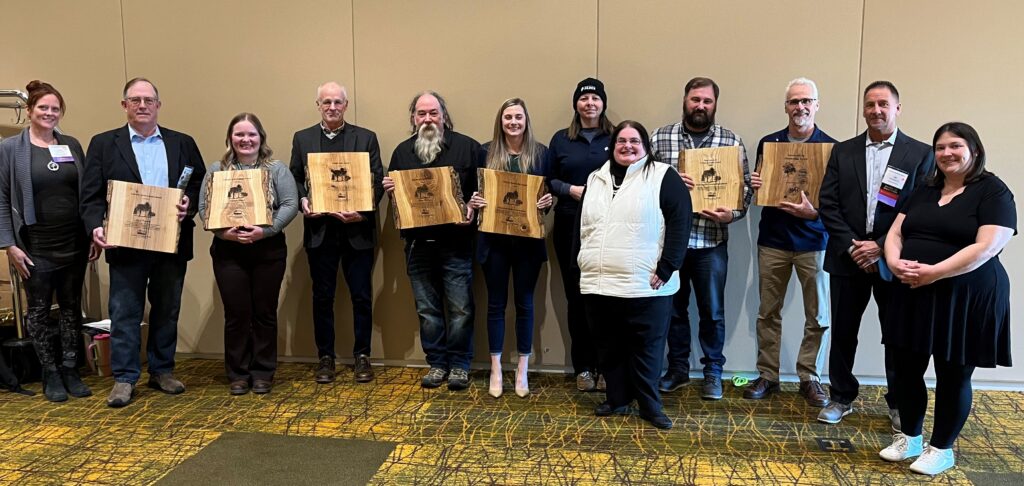
The Wisconsin Urban Forestry Council presents annual awards for furthering urban forestry in the state.
The Wisconsin Urban Forestry Council recently announced its annual awards honoring those dedicated to protecting, preserving and increasing the number of trees that line city streets, fill community parks and beautify neighborhoods throughout the state.
The Wisconsin Urban Forestry Council advises the Wisconsin Department of Natural Resources (DNR) on managing urban and community forest resources.
“Each year, these awards remind me of how special the people are in our industry and the numerous accomplishments they fulfill,” said Lee Fredericks, Wisconsin Urban Forestry Council Award Committee Chair. “Whether they are taking on projects to expand their leadership, involving the next generation of arborists or advancing species diversity in the urban forest canopy, the state as a whole truly benefits.”
This year’s recipients were announced at the 2025 Wisconsin Arborist Association/DNR Urban Forestry Conference in Green Bay. The categories and winners are: Continue reading “Wisconsin Tree Leaders Recognized For Exceptional Community Service” →
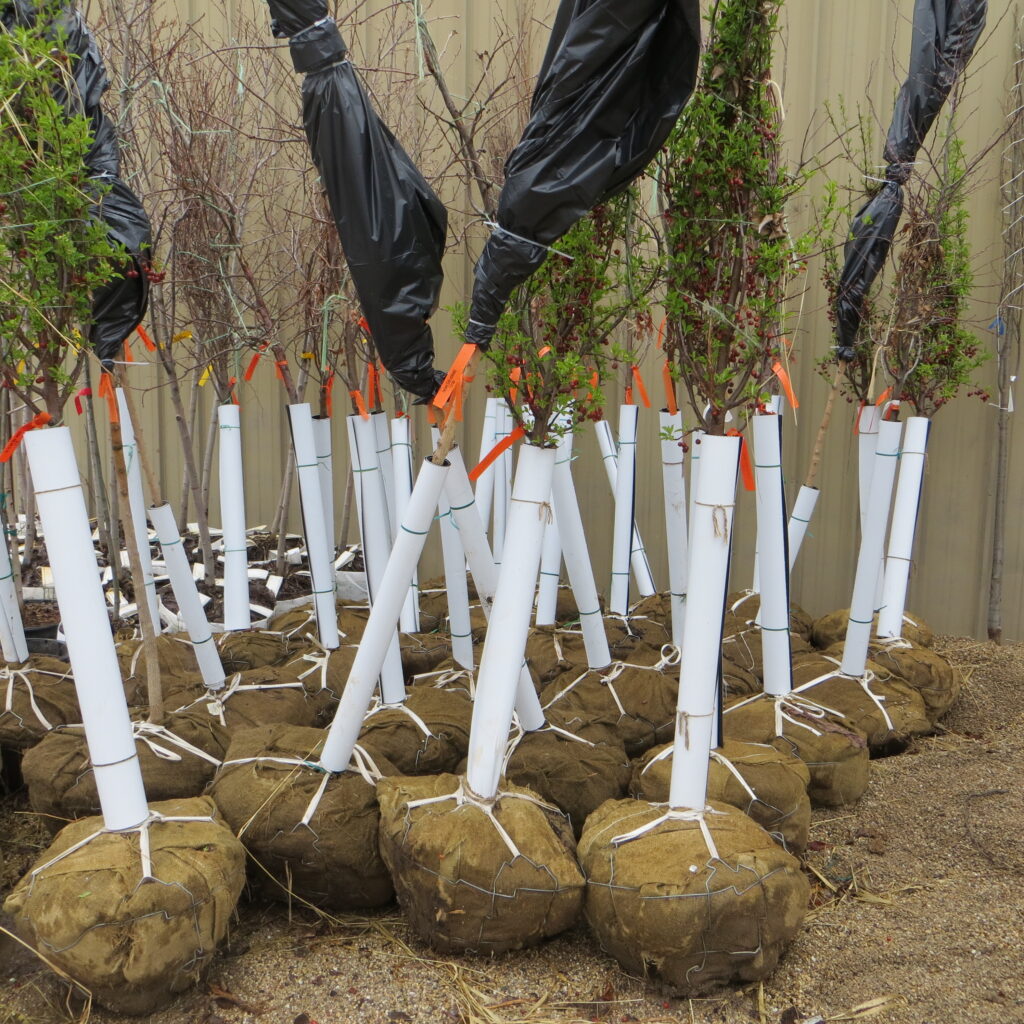 Earth Day, Arbor Day and spring are all quickly approaching, and now is the time to start thinking about your tree plantings! Choosing the proper tree for a specific location will help ensure your tree’s long-term health and survival.