Pest

Financial assistance is available for controlling invasive species.

Looking for a financial assist in your efforts to control invasive species?

The Wisconsin Invasive Species Council website lists 61 different grant opportunities that are available from Federal and State agencies as well as private foundations. The list is searchable by applicant (tribe, government agency, company, non-profit, individual) and type of invasive organism (plant, animal, aquatic, invertebrate, disease). All but one has a link that takes you to more information or a contact person.

Why not take a few moments to explore these opportunities?

Written by: Michael Putnam, invasive plants program specialist, Madison (Michael.Putnam@wisconsin.gov), 608-266-7596.

Box elder bugs and lady beetles become active as weather warms.

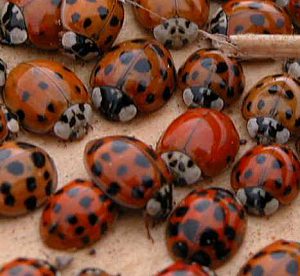
Multicolored Asian ladybeetles have a range of colors and spot numbers.

Multicolored Asian ladybeetles

If you had box elder bugs or multi-colored Asian lady beetles congregating on your house last fall, you’re probably starting to notice them appearing in your house again as the weather warms this spring. Last fall they were able to find a place on/in your house to overwinter and now they are attempting to leave your house to head back into the fields where the beetles, like all ladybugs, will feed on aphids and the box elder bugs will feed on the sap of certain trees.

Continue reading “Box elder bugs and lady beetles become active as weather warms.”

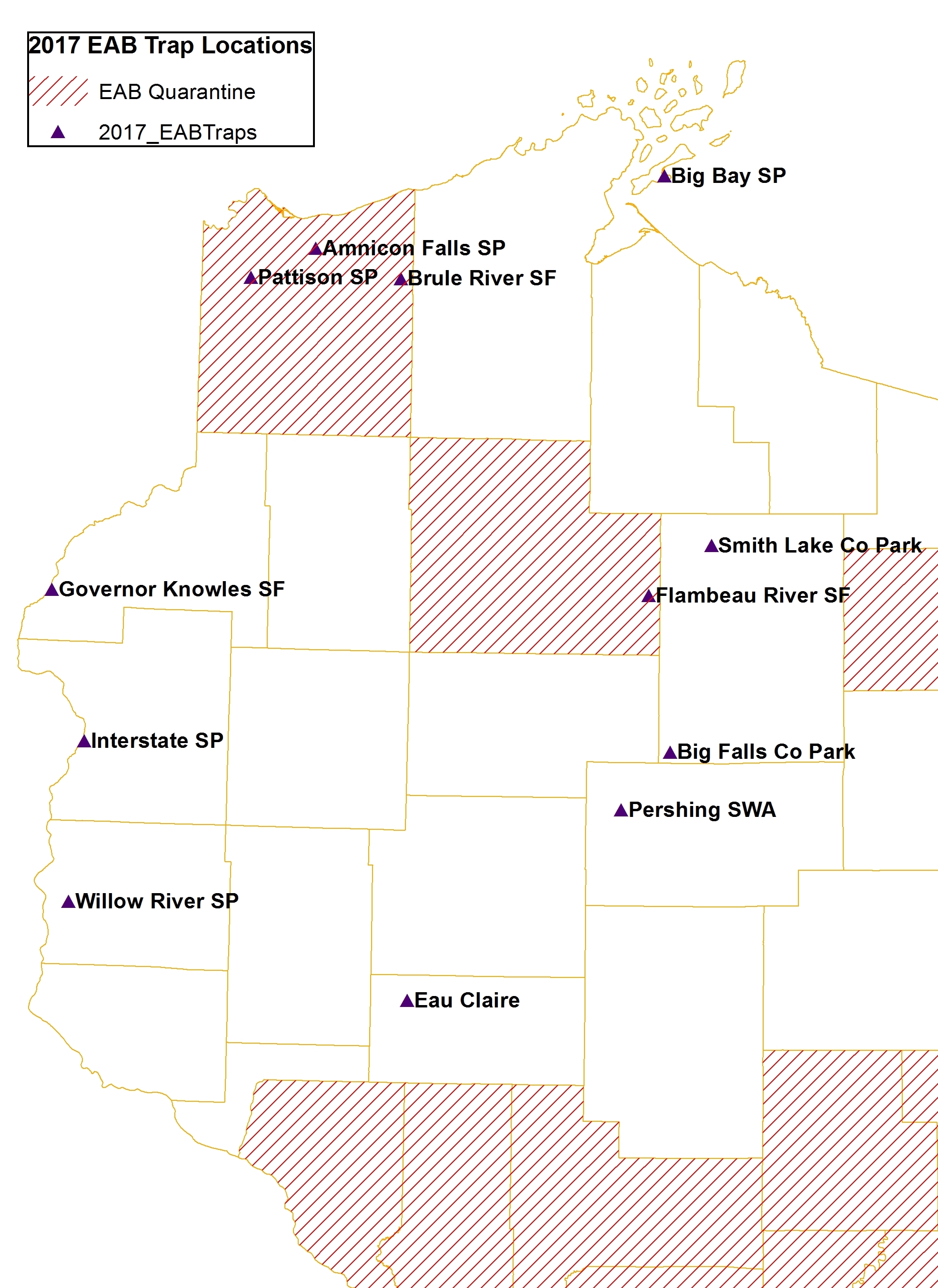
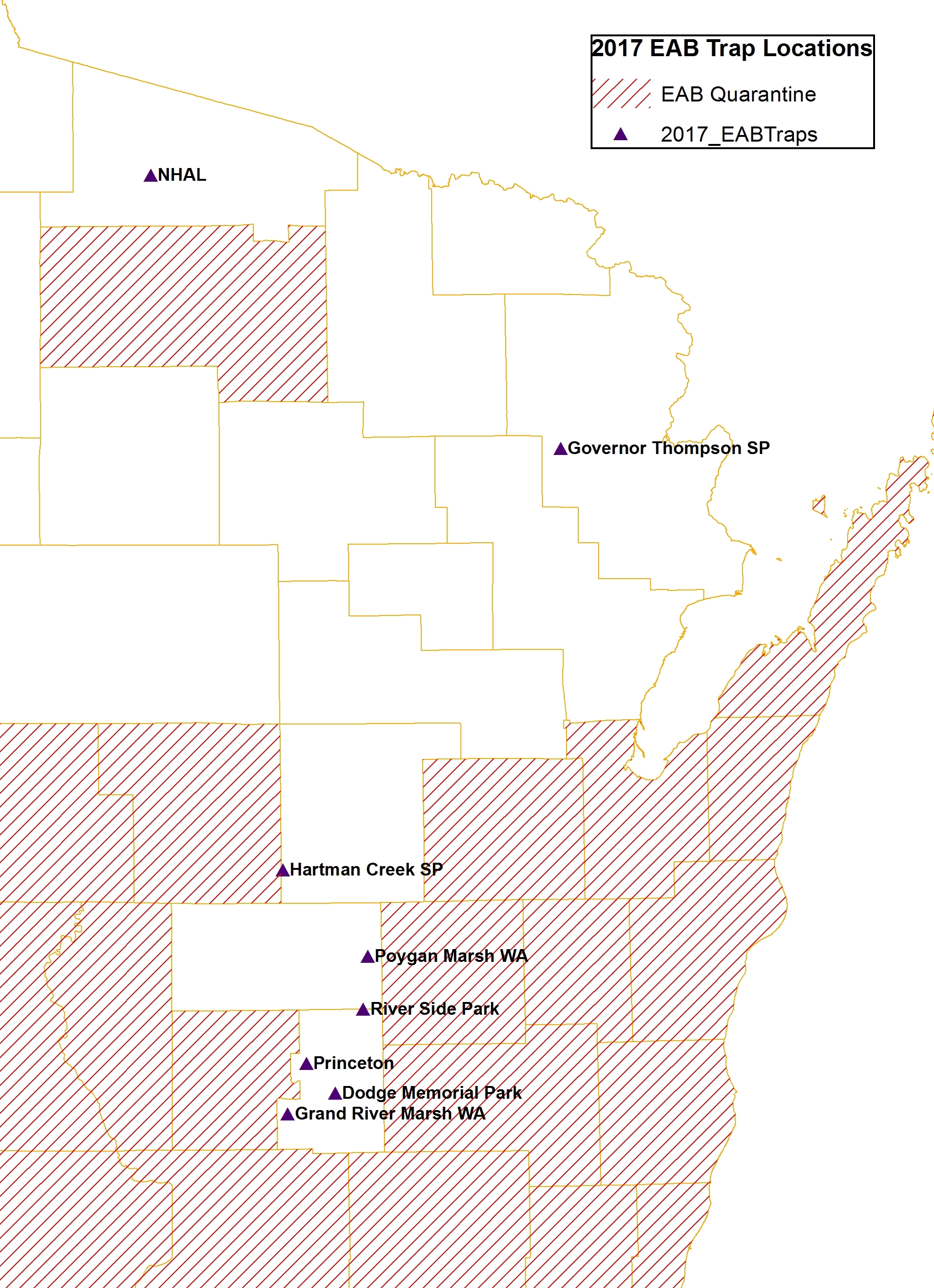
Make sure you are prepared for EAB

Recently, Iowa DNR conducted a survey of its community foresters to understand preparedness for ash mortality from EAB in their communities. EAB continues its spread, not just throughout Wisconsin, but other states, such as Iowa, as well. This survey displays some interesting data. Seemingly, despite the continued spread and the many cases studies on the effects of EAB in communities, no communities surveyed contain private land owners that are prepared for the increased ash mortality. View the survey to see other results and barriers to EAB preparedness. If you have any questions about EAB and how to prepare in your community contact your local Urban Forestry Coordinator.


For more information contact Ellen Clark (EllenA.Clark@Wisconsin.gov), Urban Forestry Communication Specialist, at 608-267-2774.