By Kyoko Scanlon, forest pathologist, Fitchburg, Kyoko.Scanlon@Wisconsin.gov, 608-235-7532
Wisconsin Pesticide Applicator Training (PAT) Program with University of Wisconsin Extension is offering one training session for Forestry (Category 2.0) in 2019. The training is a one-day indoor session to review the materials in the training manual. A certification exam will be administered at the end of the day by Wisconsin Department of Agriculture, Trade and Consumer Protection.
The PAT Forestry training day is scheduled for January 24, 2019 at the Marathon County Extension Office in Wausau. Preregistration is required and costs $30. For more information and to register, visit the Pesticide Applicator Training website.

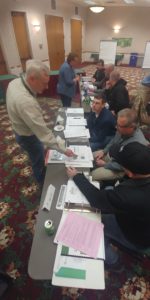 The second of three sessions for Wisconsin’s Community Tree Management Institute (CTMI) was held February 6-7, 2018 in Green Lake. Through hands-on training and exercises, twenty-six students from across the state learned how to identify community forestry management needs and get the work done. Topics included: inventories, management plans, urban and community forestry operations (planting, pruning and removal), natural areas, tree biology, hardscape conflicts, soils, risk tree management and tree emergencies. Instructors for session II included: municipal forestry staff, university staff, consultants and DNR staff. The variety of instructors, their perspectives and interactive components are meant to appeal to all learning styles.
 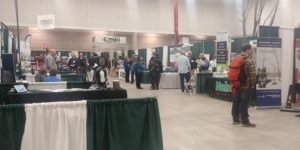 The 2018 WAA/DNR Annual Conference was held February 18-20 in Green Bay, Wisconsin. This year there was a record attendance of 857 people. Those in attendance were from the private industry, business owners, municipal staff, and state employees. Again, this year there were several different tracks attendants could attend: general sessions, climbers corner, introductory, business and utility. Across these tracks many topics were covered, from insects and pests to climbing and building an arboriculture business. This three-day conference also hosted many different exhibitors from the industry to provide attendees with up-to-date technology, equipment and practices to improve their work.