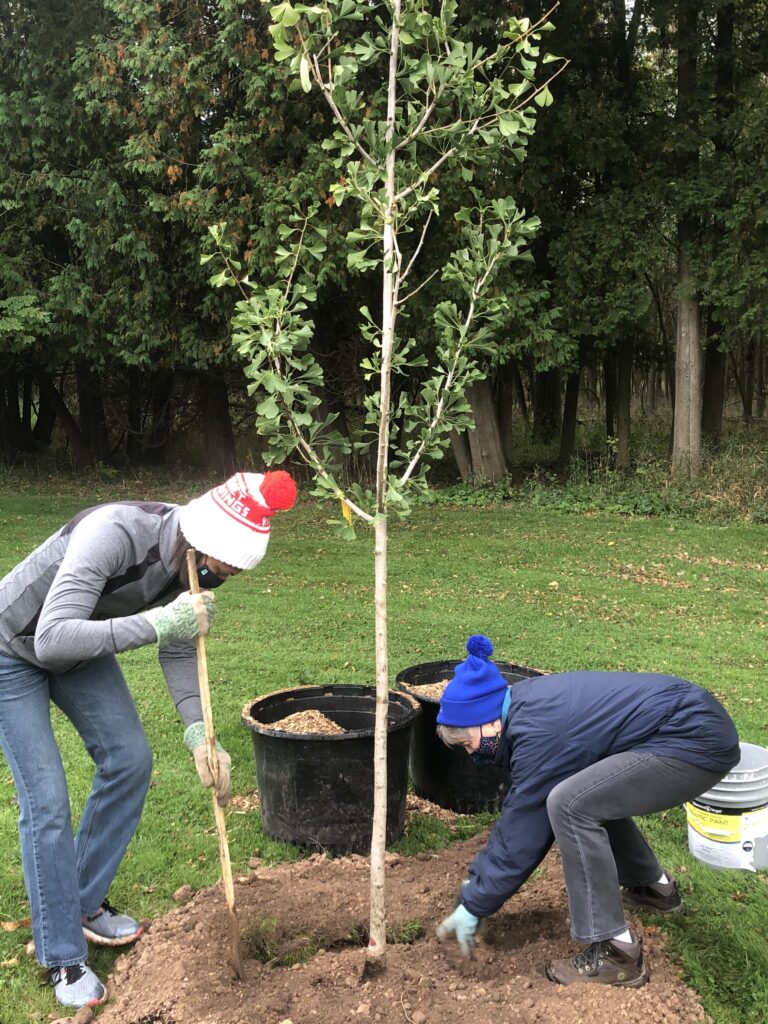
The Wisconsin Arborist Apprenticeship Program is a growing way for municipalities and tree care companies to train their workforce. Learn about the program and its flexibility to fit your organization.
This presentation will be hosted by City of Milwaukee Forestry Services Manager Randy Krouse along with a panel of apprenticeship instructors, public employees and Wisconsin Bureau of Apprenticeship Representatives.
The webinar will be held on Zoom on Thursday, Dec. 17 at 3 pm.
Register in advance for the webinar using this link:
https://us02web.zoom.us/webinar/register/WN_7ASg4RyeRv6jhmXK2aIcHA
After registering, you will receive a confirmation email containing information about joining the webinar.
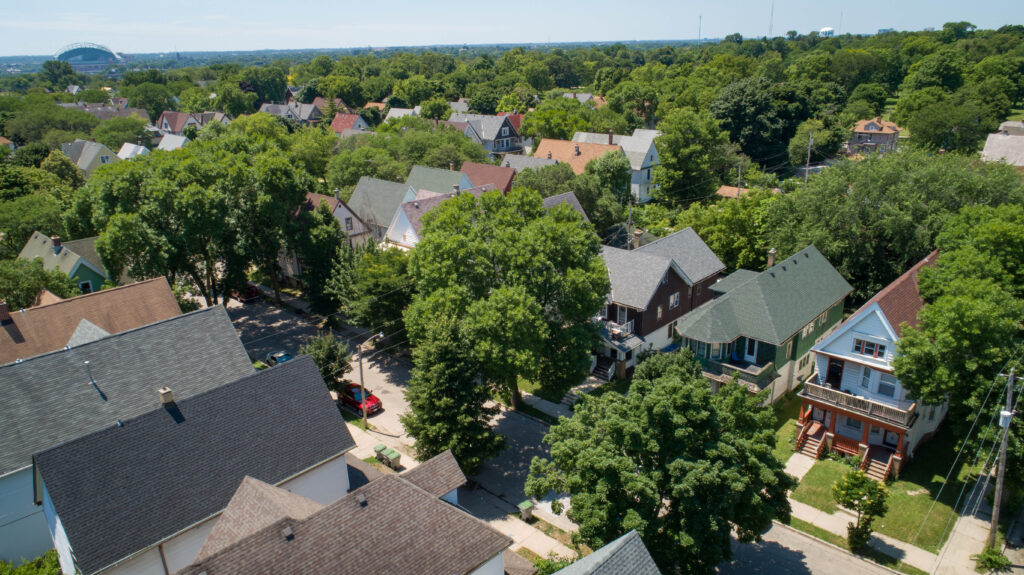 The COVID-19 pandemic is taking a serious toll on our mental health. Many of us are feeling lonely and isolated due to social distancing. Some of us have lost our jobs, some have lost access to schooling and some have lost beloved friends and family members.
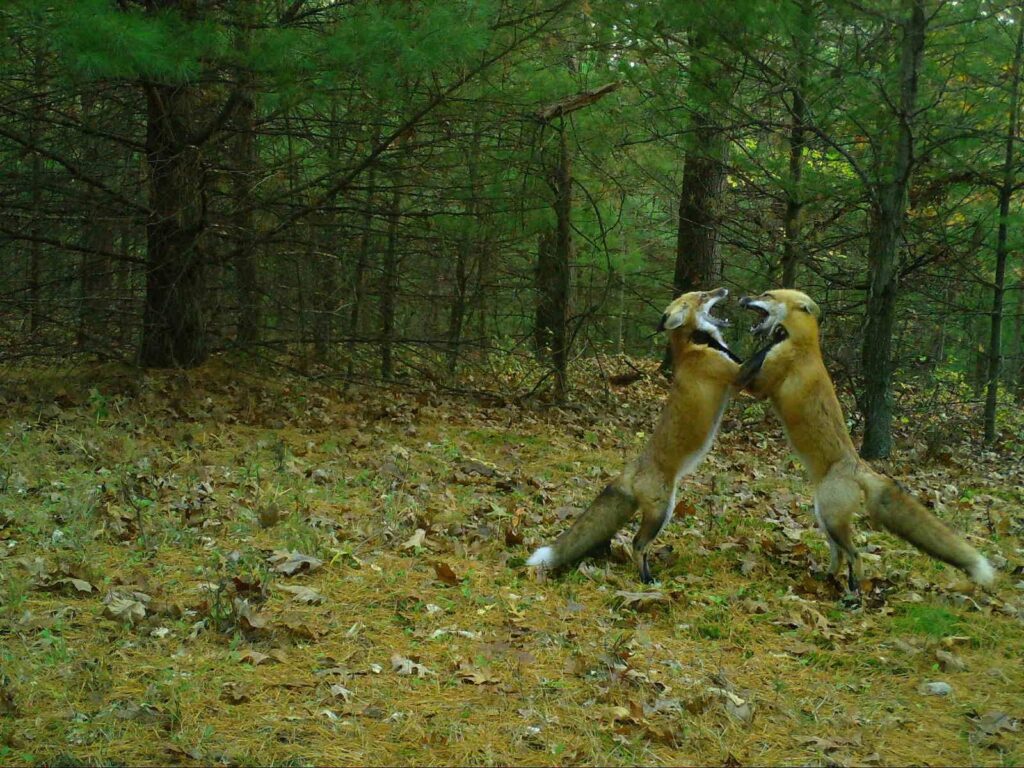 Fisher, fox, bobcat and bear are just a few of the species captured among the 50 million trail camera photos produced by Snapshot Wisconsin. The Wisconsin DNR program is a wildlife monitoring effort that gets the public involved in science, and the data generated help the DNR make wildlife management decisions. Volunteers host a network of trail cameras across the state that take “snapshots” of animals as they pass by. The program began as a pilot in two counties and launched statewide in 2018. Today the program boasts 1,800 volunteers hosting over 2,100 trail cameras. Information about what is in the photos, combined with where and when they were taken, is already being used to better understand important Wisconsin wildlife species, like white-tailed deer.
 Act fast to keep your Tree City, Bird City, and Bee City status! Due dates are as follows:
 The
The