
What do wood products research, urban wood products and school forests have in common? They are among the many engaging Wisconsin stories shared in new episodes of the national TV program America’s Forests with Chuck Leavell.
While he may be best known as the keyboardist and musical director for The Rolling Stones, Chuck Leavell is also an educated and enthusiastic forestry advocate, conservationist and woodland owner and he explores Wisconsin forests in these new episodes. The two-part Wisconsin series will be featured in a virtual premeire event during Forest Products Week on Wednesday, October 21 at 6:30 p.m.
This free, online gathering, hosted by the Nelson Institute for Environmental Studies at UW-Madison, will bring together thought leaders to engage in a rousing conversation on the critical importance and value of well-managed public and private forest lands in Wisconsin. And you are invited to participate!
Registration for the virtual premiere and screening of the episodes is available online at go.wisc.edu/talesfilmseries2020. Links to attend the virtual premiere event and to view the episodes in advance will be emailed to all who register.
At the October 21 virtual premiere event, Leavell will be joined by Heather Berklund (Forestry Division Administrator with the Wisconsin DNR), Tony Ferguson (Director of the Forest Products Laboratory for the USDA Forest Service), Buddy Huffaker (Executive Director of the Aldo Leopold Foundation), Henry Schienebeck (Executive Director of Great Lakes Timber Professionals Association) and Adena Rissman (Associate Professor at UW-Madison, Department of Forest and Wildlife Ecology). The panel will be moderated by James Edward Mills of the Nelson Institute at UW-Madison. Don’t miss this chance to hear from the panelists about the importance of Wisconsin forests to the ecological, social, cultural and economic well-being of our state and local communities.
Leavell serves as the on-camera guide for the TV show, interviewing people who are passionate about the gifts we get from our woods and exploring creative solutions to complex problems impacting this important natural resource. Other topics Leavell explores in the Wisconsin episodes include ruffed grouse, the sustainable forestry practices on the Menominee Tribal forests, and the biodiversity of the Baraboo Hills.
 Wildfires can occur any time of the year when the ground is not snow covered. Wildfires are more likely to start when people burn leaves and brush, leave campfires unattended, dump wood ash outdoors, or operate vehicles or equipment near wildland vegetation. Wildfires are more likely to spread when there is an abundance of dead vegetation around to carry the flames.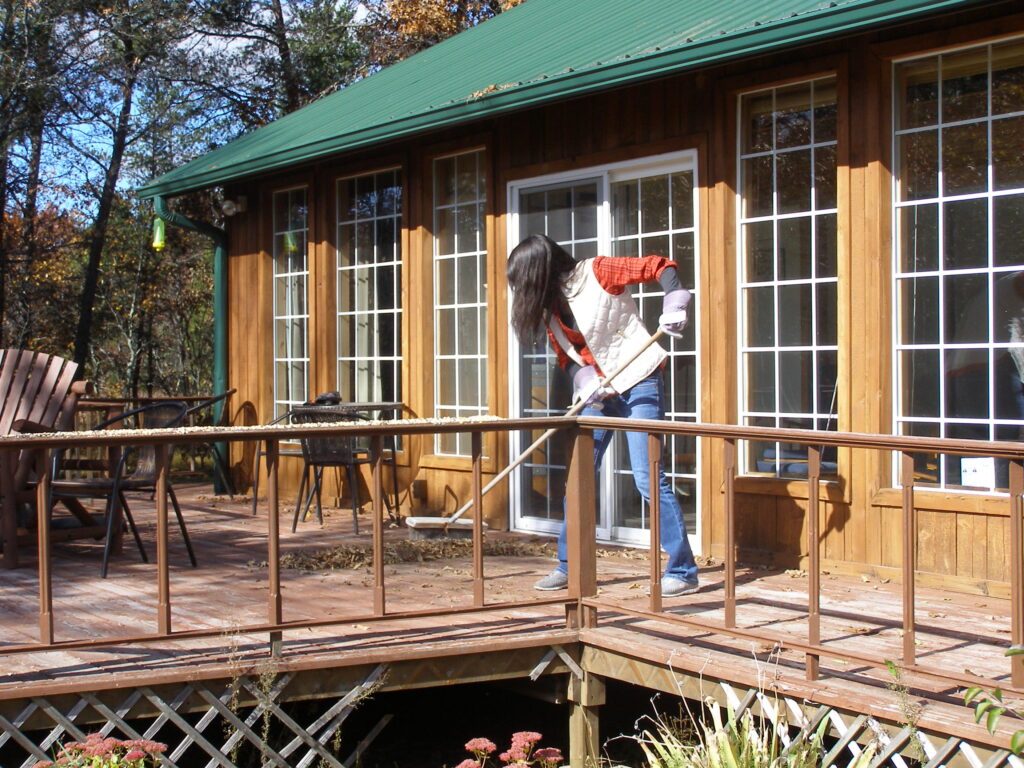
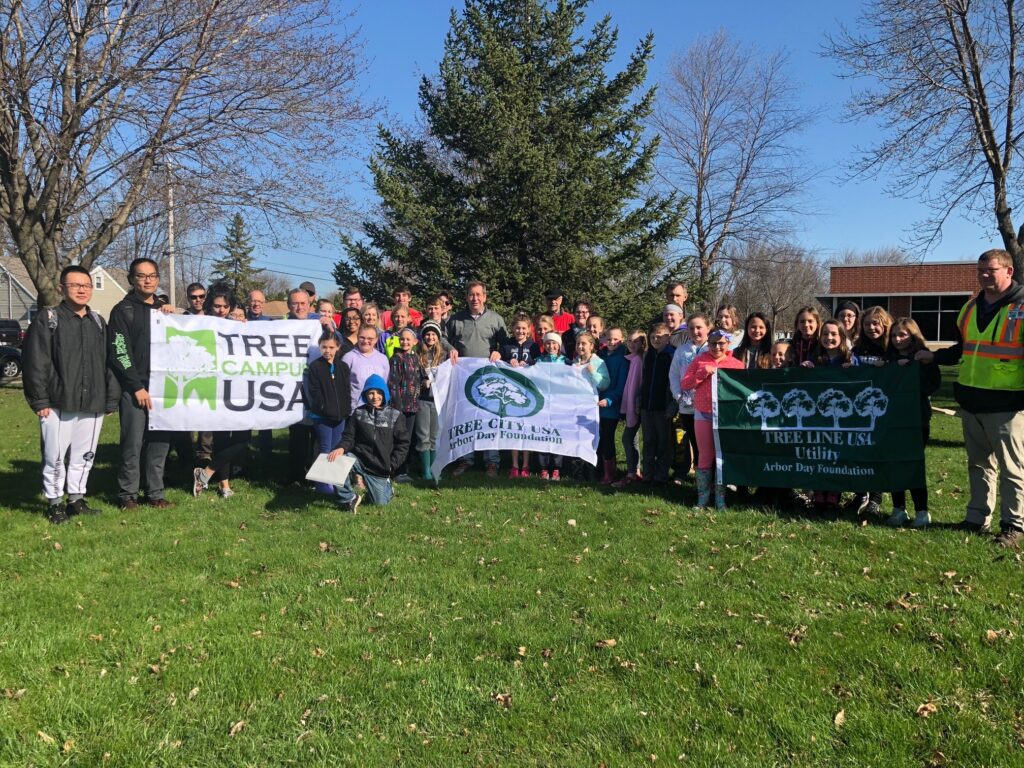
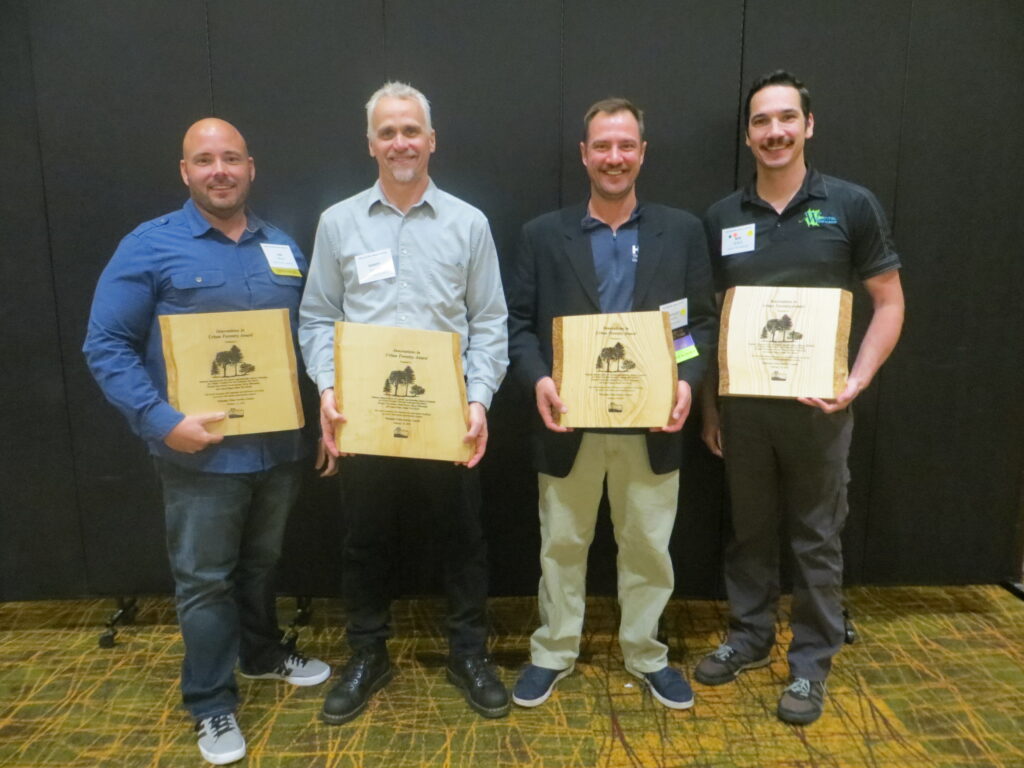 The Council presents annual awards to outstanding individuals, organizations, communities and tribes that further urban forestry in Wisconsin. The awards are announced each year at the annual Wisconsin Urban Forestry Conference and presented to winners in their community. We are currently seeking nominations for the 2021 awards.
 Wisconsin’s urban forests provide a wide range of ecological, economic and social benefits. Urban areas contain nearly 27 million trees with an estimated total replacement value of almost $11 billion. Many don’t realize all the services urban forests provide. They reduce air pollution, mitigate storm water runoff, conserve energy, provide wildlife habitat, increase property values, and attract businesses, tourists and residents. They even improve public health and well-being. The Wisconsin DNR’s Urban Forestry Team seeks to maximize these benefits derived from our state’s community tree canopies.
  The Wisconsin DNR is currently accepting applications for Urban Wildlife Damage Abatement and Control (UWDAC) grants. UWDAC grants are available to any town, city, village, county or tribal government located within an urban area (
 Sponsored by the Arbor Day Foundation, the Partners in Community Forestry Conference is the largest international gathering of urban forestry practitioners, advocates, researchers, and government leaders. The virtual format this year provides an excellent opportunity to attend this leading conference so easily and inexpensively.
 The newly launched Healthy Trees, Healthy Lives website (