
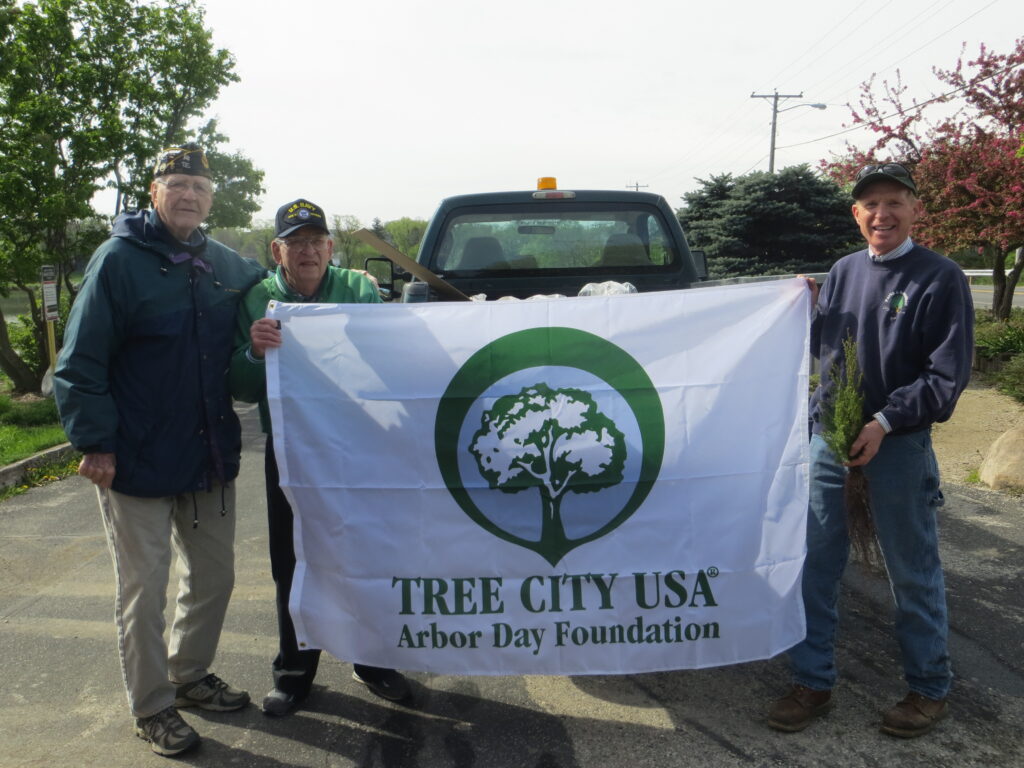
 Connect, collaborate and learn from Tree City USA communities about ways to engage, grow and innovate your urban forestry program. This first-of-its-kind event will be held from 11 a.m. to 12:30 p.m. on Feb. 10, 17 and 24.
The registration fee is $30 and includes:
- All content associated with the Tree City USA Conference
- Online networking capabilities through the conference platform
- Opportunity to engage with speakers and fellow attendees
- Access to all conference content, networking channels and attendee/speaker engagement for six months after the conference
Learn more about the conference and register here.
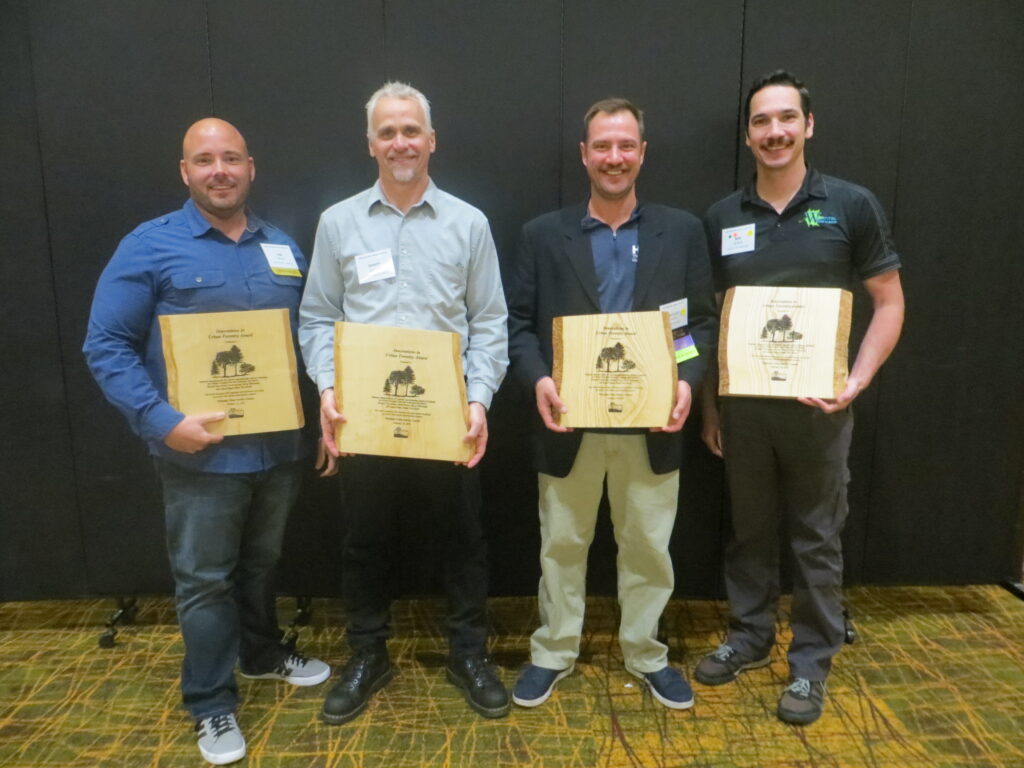
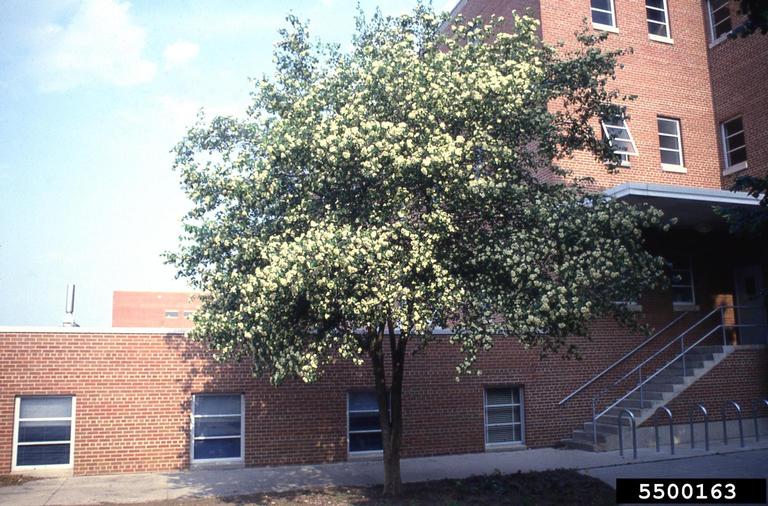
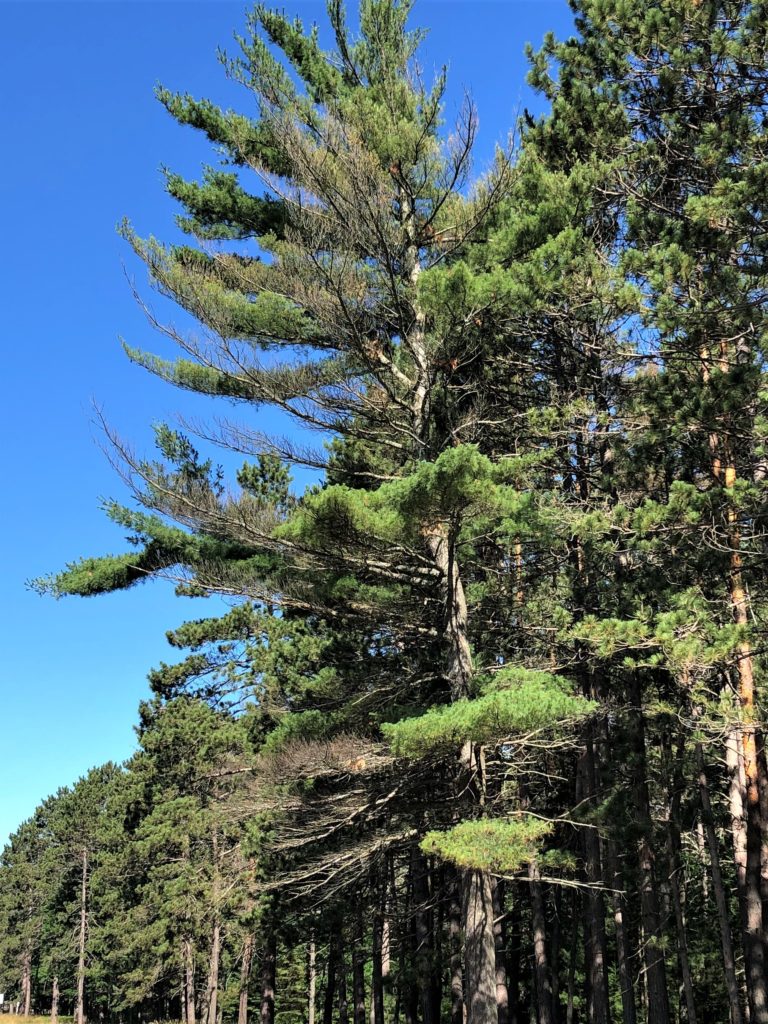
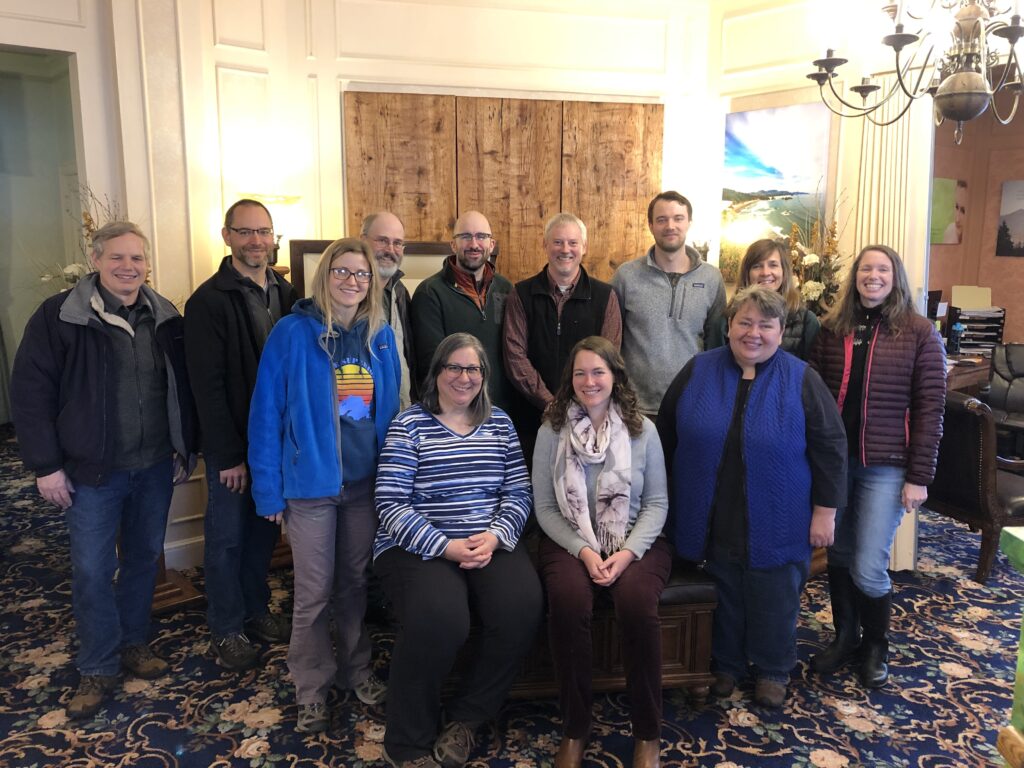 As the year draws to a close, we asked DNR urban forestry staff to reflect on the last twelve months and choose their top highlight – whether it’s a project they’re especially proud of, a new partnership or a deeper relationship with coworkers. Here are their responses:
 The Wisconsin Annual Urban Forestry Conference will be held as a virtual event in 2021, with sessions on Feb. 21, 22 and 23.