
50 years ago – 1967 – Pine Bark Beetles – Ips sp.
Little damage from bark beetles was encountered in the Northwest, West Central and East Central areas. Damage in the east central counties was restricted to trees that suffered from drought in 1966. Advance reproduction was destroyed in two Jackson County timber sale areas (West Central Area) where pulp operations continued through the summer and wood was left in piles until bark beetles had emerged. Continue reading “Historical – what happened 50 years and 25 years ago in the forest health world?”
 Recently, the DNR Urban Forestry Program and the Wisconsin Arborist Association (WAA) recently held the annual Wisconsin Urban Forestry Conference in Green Bay, Wisconsin. With the theme “Healthy Benefits to Enriching Your Arboriculture and Urban Forestry Knowledge,” the conference was three full days of exhibits, presentations from experts across the world, and networking events and opportunities. There was record attendance this year, beating out last year’s record of 750. This year, the WAA offered a new Utility Track of presentations that allowed members to learn more about technologies in community forestry and other topics to help those who attended.
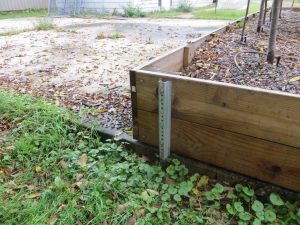 Gravel beds, a way of holding bare root trees and extending the bare root planting season, have been growing in popularity, especially in the Midwest. Several municipalities and other organizations throughout Wisconsin have been utilizing gravel beds to plant more trees on tight budgets, diversify plantings, decrease labor and ensure sound, healthy root systems. Hudson and Racine are wonderful examples of the success of gravel beds.
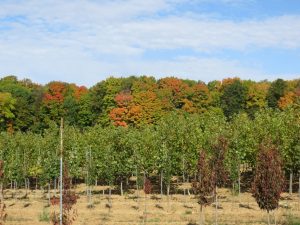 “Plant a tree to thrive, not to simply survive.” Dan Traas, Ranger Service, echoes the sentiment of most arborists and urban foresters’. There are numerous crucial steps in the tree planting process, location, soil type and temperature must all be considered. However, the species of tree chosen may be the utmost central consideration.