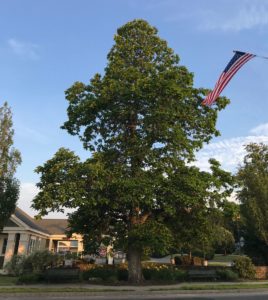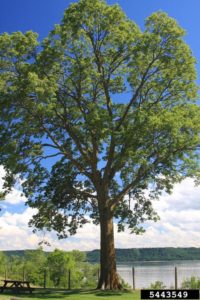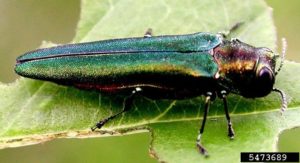
Cities, villages, towns, counties, tribes and 501(c)(3) nonprofit organizations in or conducting their project in Wisconsin are encouraged to apply for a regular or startup 2021 Department of Natural Resources Urban Forestry Grant! The grants range from $1,000 to $25,000, and grant recipients must match each grant dollar for dollar. A startup grant of up to $5,000 is available for communities that want to start or restart a community forestry program. Grants are awarded to projects that align with state and national goals for increasing the urban forest canopy and the benefits it provides. Also available this grant cycle is an additional $175,000 federal funding to be used for ash tree removals and replacements. EAB treatment will not be funded with these additional monies. Applications can be submitted starting July 1, 2020 until October 1, 2020.
To view the application and apply visit the Urban Forestry Grants website. If you have questions regarding application process and eligible projects contact your DNR Urban Forestry Coordinator.
 Recognizing that trees and vegetation are among the features that make communities special places for residents and visitors, American Transmission Co. will continue funding for planting projects in communities in its service area through its Community Planting and Pollinator Habitat programs.
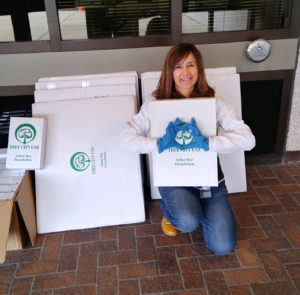 We deeply appreciate the commitment to urban forestry demonstrated by our 2019 Tree City, Tree Campus, and Tree Line USA participants. Thank you for your hard work!
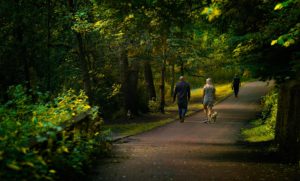 Thanks to the efforts of researchers over the past few decades, we have a solid understanding of the ecological benefits of urban forests, such as reduced greenhouse gases, decreased stormwater runoff, and lessening of the urban heat island effect. In contrast, knowledge of the human health benefits of urban forests is still developing. Existing reviews of health benefits have focused more broadly on nature, green space, and greenness rather than concentrating specifically on urban trees.