Linda Williams, DNR Forest Health Specialist, Woodruff
Linda.Williams@wisconsin.gov or 920-360-0665
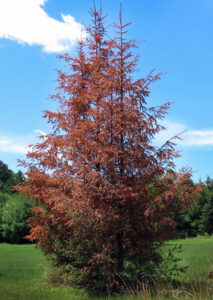
Scattered balsam fir trees in the Northwoods have suddenly turned brown and red this spring. / Photo Credit: Linda Williams, Wisconsin DNR
Scattered balsam fir trees in some areas of northern Wisconsin have suddenly turned rusty red to brown and are dying. These trees are not being impacted by spruce budworm and typically die with a full complement of needles.
The symptoms resemble what was observed in 2018 and 2020. So far, the number of trees being reported is smaller than what was seen in 2018 or 2020. Reports are still coming in, but they seem to be concentrated in northern areas of the state where we had extensive snowfall in late winter.
Continue reading “Balsam Fir Mortality Similar To 2018 And 2020”
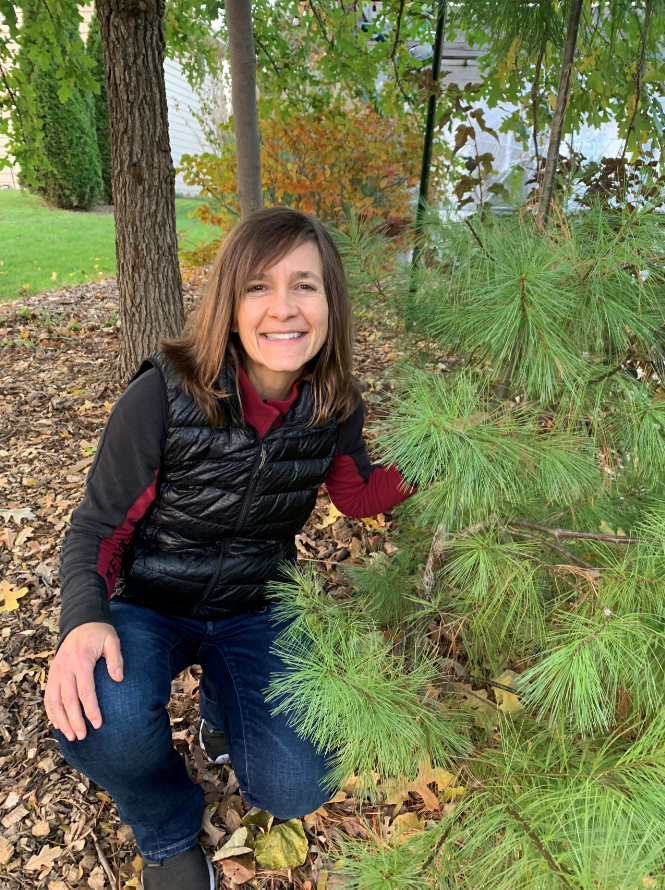 Congratulations to Kim G. Sebastian as she begins her retirement this month. Kim has been with the DNR as Urban Forestry Coordinator since 1990. Read on to hear Kim reflect on her experience with the DNR and share some parting words.
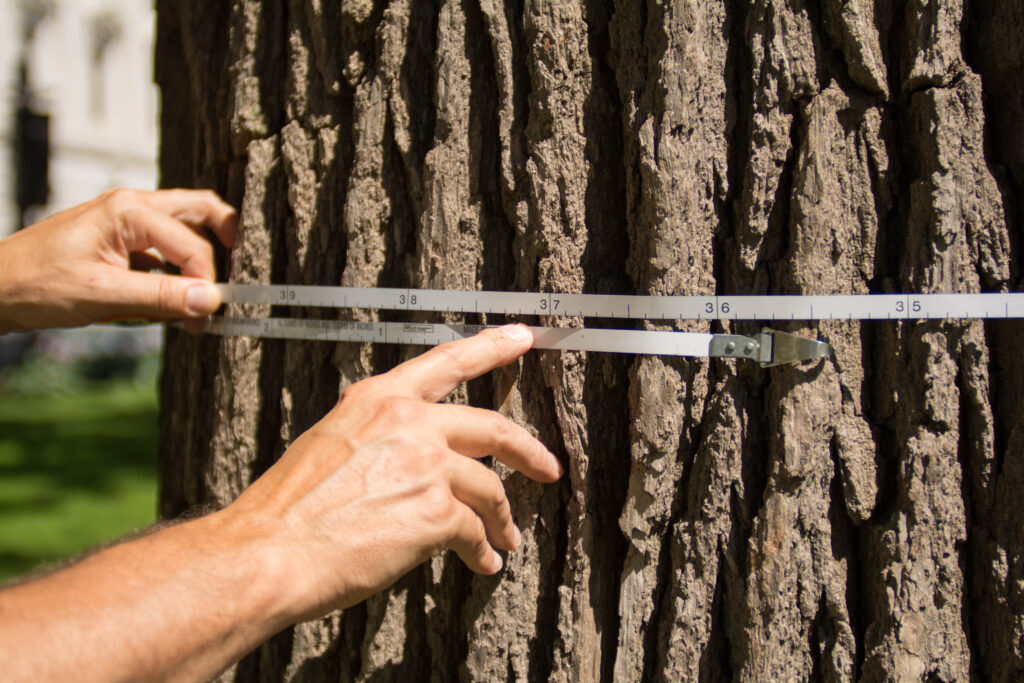 Tree inventories are foundational elements of sustainable urban forestry programs. You need to know what you have to best manage your trees. Because of the importance of these datasets, the Wisconsin DNR Urban Forestry program often funds inventories through their annual grants (
 The Municipal Forestry Institute is an intensive high-level professional growth program of the