*These training opportunities are provided as an information service only and do not constitute an endorsement from the Wisconsin Department of Natural Resources (DNR).
See below for information on the Wisconsin Arborist Association Summer Conference, the Trees and Utility Conference, the International Society of Arboriculture International Conference, webinars on birch health, storm damage, chipper operation and tree equity and educational resources. Continue reading “Upcoming Trainings”
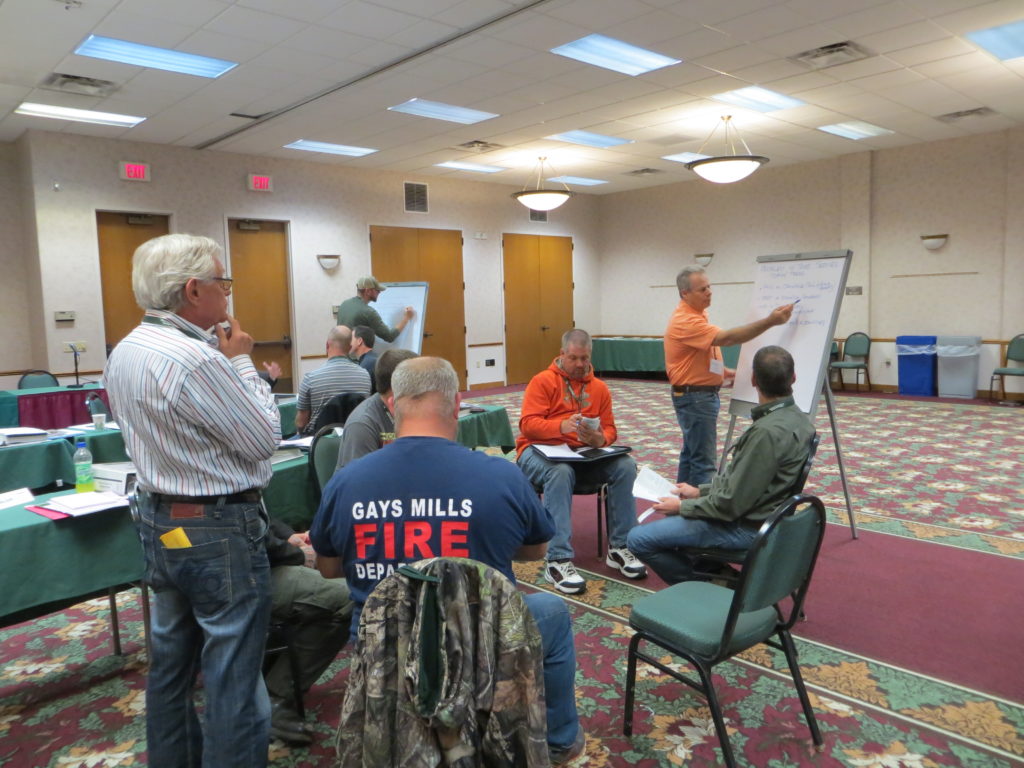 Are you a forestry expert interested in working with the Wisconsin Department of Natural Resources (DNR), forest industry professionals and natural resource leaders to ensure sustainable management practices of Wisconsin’s forest resources?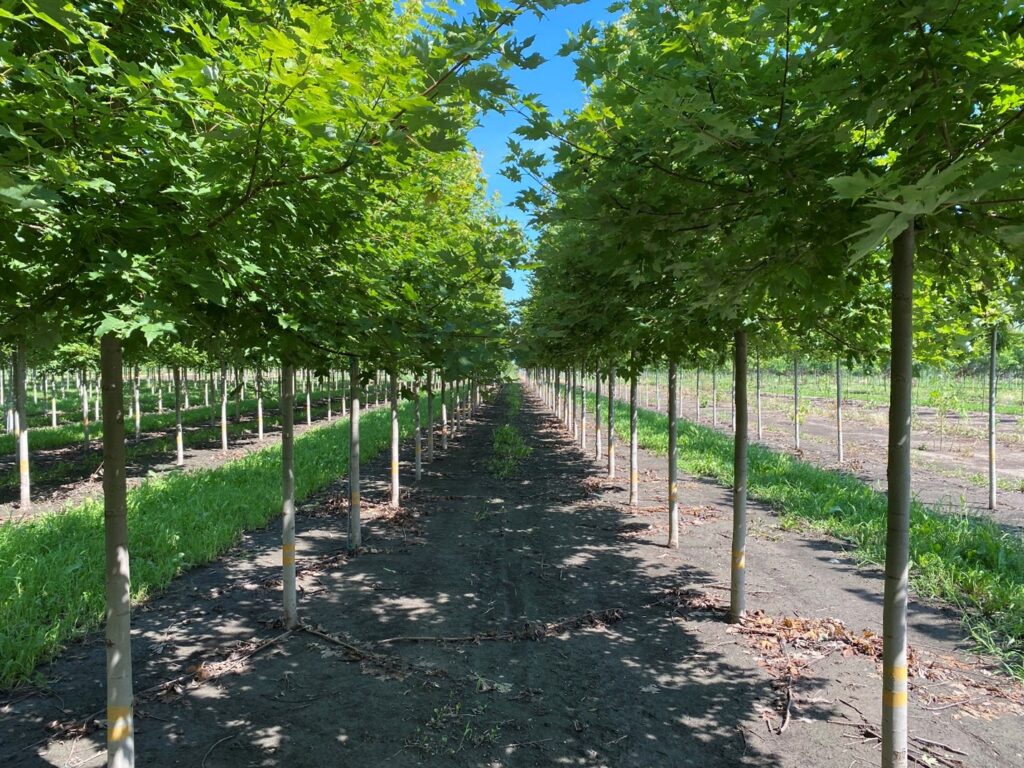
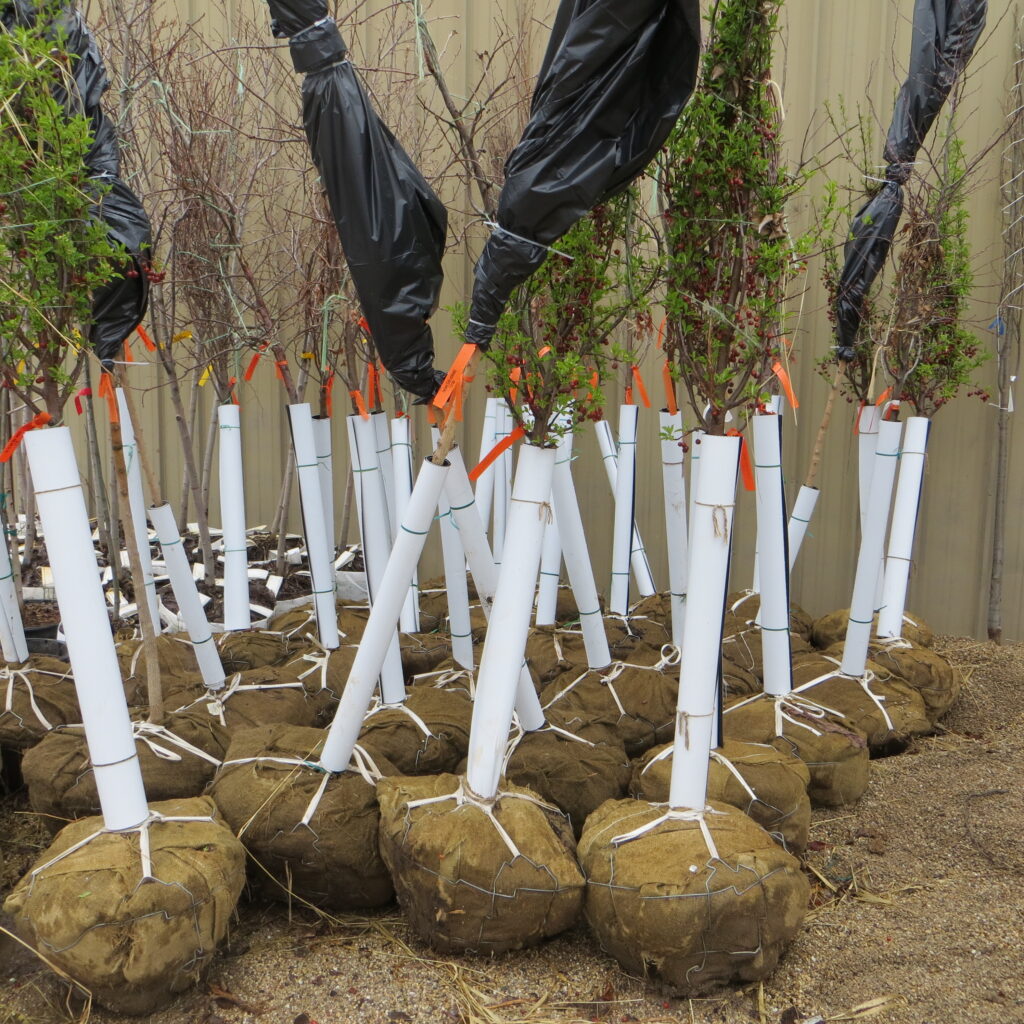 Earth Day, Arbor Day and spring are all quickly approaching, and now is the time to start thinking about your tree plantings! Choosing the proper tree for a specific location will help ensure your tree’s long-term health and survival.
 The Wisconsin Arborist Association (WAA) and the Wisconsin Department of Natural Resources (DNR)’s Urban Forestry program cohosted their annual conference on Feb. 16-18 in Green Bay. One of the preeminent events in arboriculture and urban forestry, the gathering brought together hundreds of people from the private, public, nonprofit and academic sectors to network and share knowledge about urban forest management.
 This year was a record-breaker: 946 attendees, the highest mark ever. Data was also compiled regarding organizational affiliations of attendees this year.
  The Arbor Day Foundation is asking for presentation proposals for its annual conference on Nov. 18-19 in Henderson, Nevada. You can play a key role in making the Partners in Community Forestry Conference and Alliance for Community Trees Day even more impactful by sharing your expertise, innovative programs, and the incredible work you’re doing in urban and community forestry with fellow professionals from across the nation.
  *These training opportunities are provided as an information service only and do not constitute an endorsement from the Wisconsin Department of Natural Resources (DNR).
 *These training opportunities are provided as an information service only and do not constitute an endorsement from the Wisconsin Department of Natural Resources (DNR).