
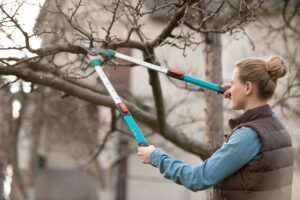
Winter is an ideal time to perform pruning and trimming work on oak leaves. / Photo Credit: Wisconsin DNR
By Art Kabelowsky, DNR Outreach and Communications, Fitchburg
Arthur.Kabelowsky@wisconsin.gov or 608-335-0167
Winter is an ideal time to perform trimming, cutting and brush removal work on and near oak trees.
For one thing, it’s a low-risk period for the trees to be infected with oak wilt, a fungal disease spread by beetles. When a red oak is infected with oak wilt, it will die that year; the disease also stresses trees in the white oak group, often fatal with bur oaks and swamp white oaks.
 The Urban Forest Improvement Program, funded by the Inflation Reduction Act and the USDA Forest Service’s Urban and Community Forestry Program, provides grants to help organizations benchmark their urban or community forests against the Sustainable Forestry Initiative (SFI) Urban and Community Forest Sustainability Standard.
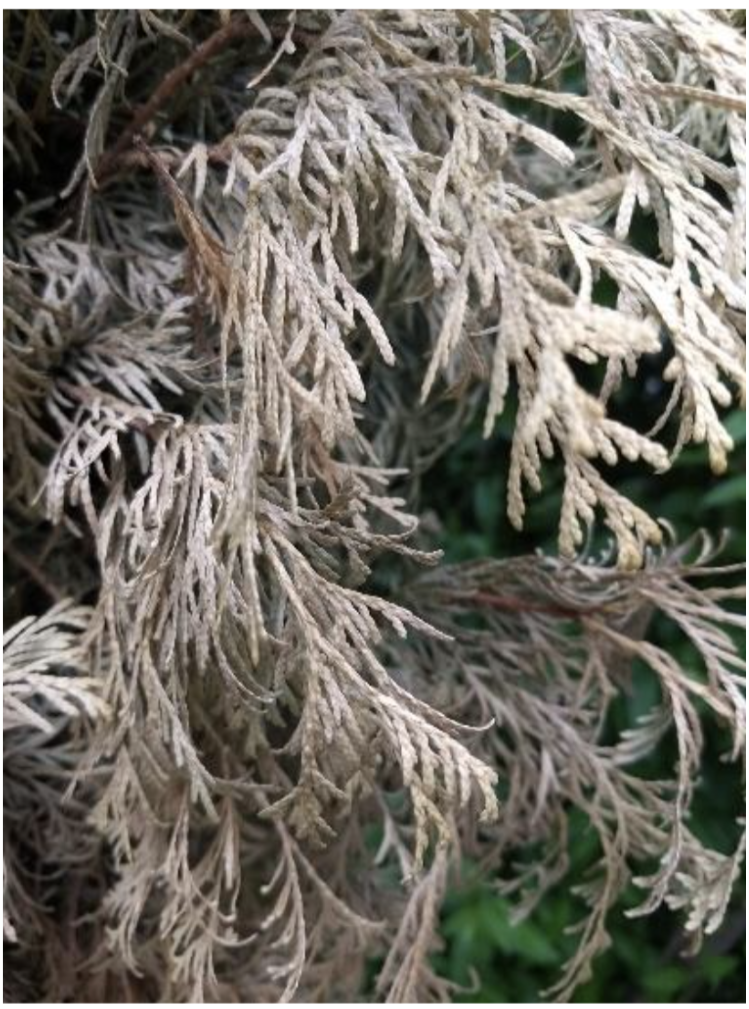 ‘Winter burn’ refers to a type of damage to evergreen foliage that typically occurs over winter. Common symptoms are browning and dying from the tips of the foliage inward. Several factors cause winter burn on evergreens, including winter ‘thaws’ while the ground is frozen, dry soil in autumn, a long period of very cold temperatures, winter sun on evergreen foliage or drying winter winds, poor siting of susceptible plants, recent planting/transplanting and the individual plant’s susceptibility. Frequently affected plants include yews, junipers, boxwood, arborvitae, rhododendrons, dwarf Alberta spruce and hemlock.
  *These training opportunities are provided as an information service only and does not constitute an endorsement from the WI DNR.
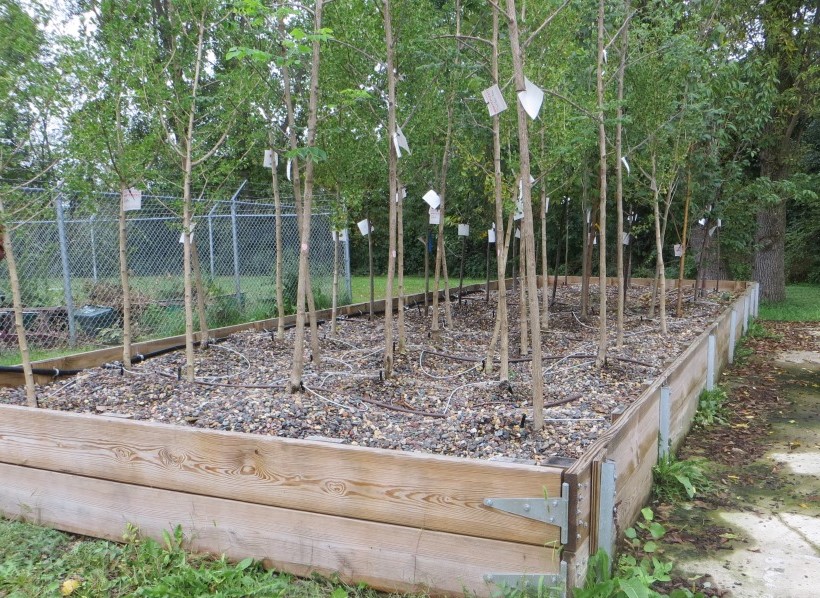 Join us for a two-part workshop on the value and uses of bare root trees and how to use gravel beds to hold and maintain bare root stock before it is planted. Part one will be delivered via Zoom on Friday, Sept. 20. Part two will be an in-person field day visit to an operating gravel bed. You will select one of the six locations around the state during registration. ISA CEUs will be available for both parts.